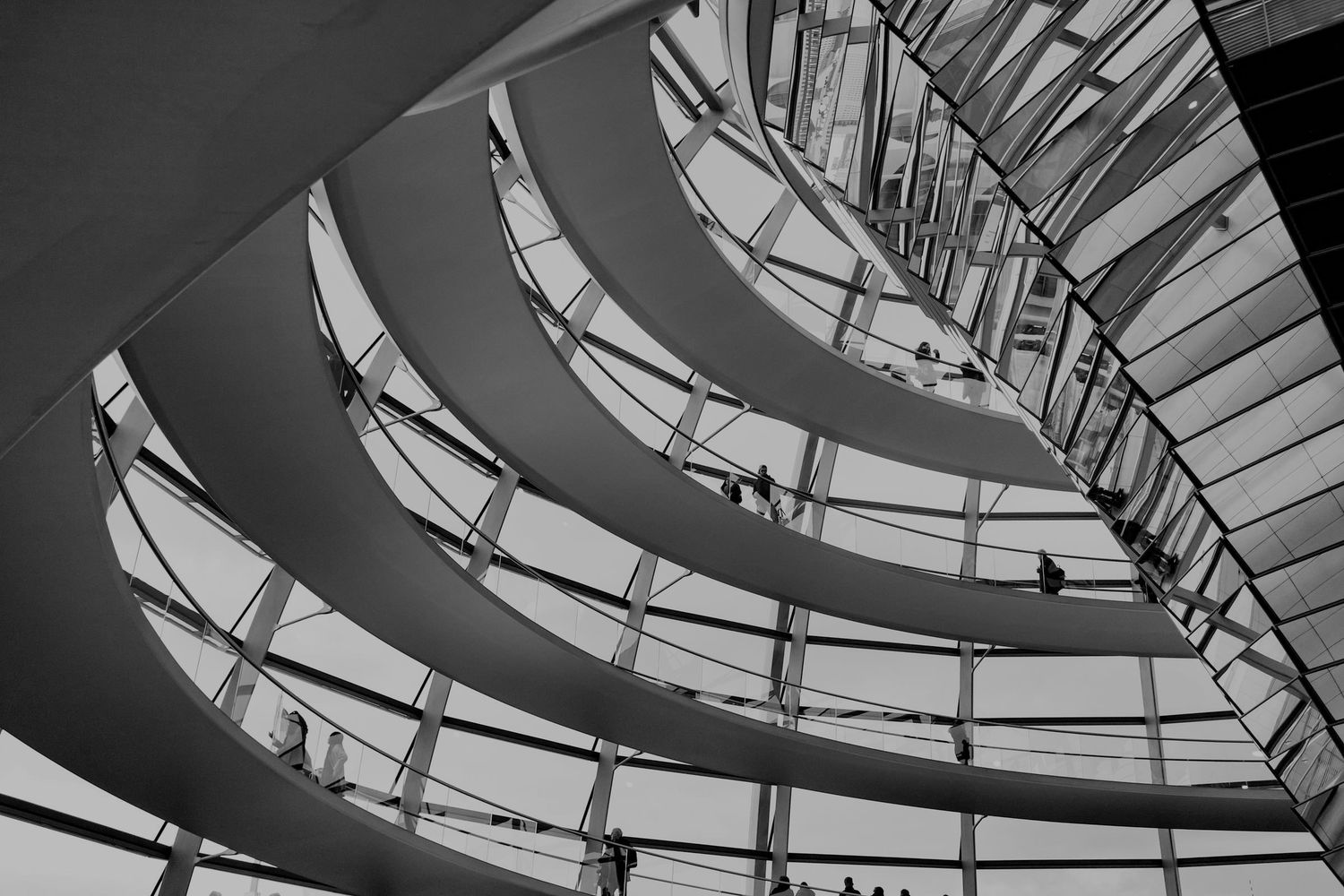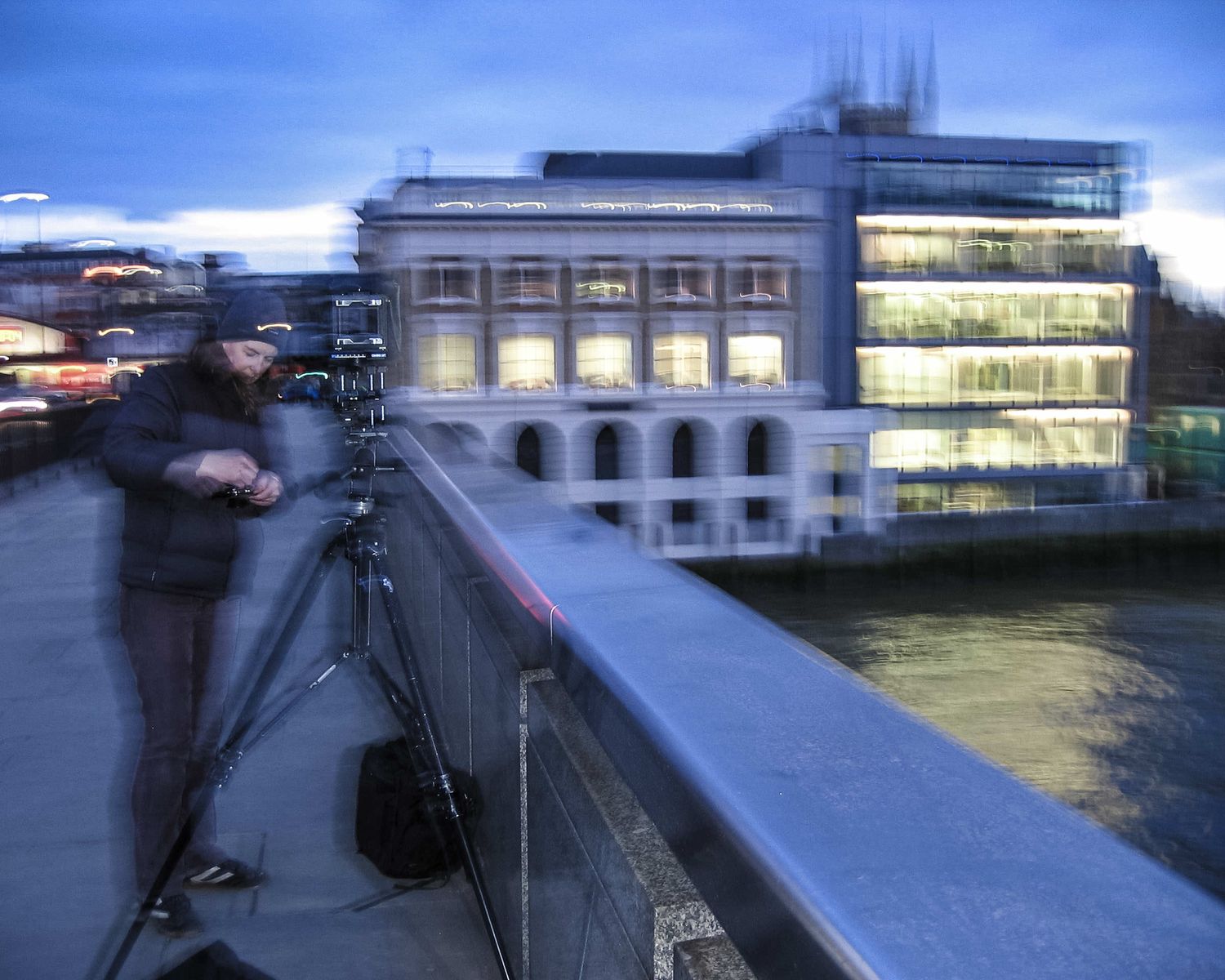

Typical fees in the UK, Europe and North America, and what influences pricing.
Obviously, one of the most common questions we're asked is: "How much does architectural photography cost?"
It's a reasonable question. Whether you're an architect preparing a newly completed project for publication, a developer launching a marketing campaign, or a contractor documenting a significant piece of work, photography and film are often commissioned throughout the life of a project, from construction and project milestones to completion and occupation. Quotes can vary dramatically, and the value of professional imagery often extends far beyond the day of the shoot.
The challenge is that there isn't a single answer. Architectural photography fees can vary considerably depending on the scale of a project, the intended use of the images, the complexity of access, travel requirements, and the level of production involved.
As architectural photographers and filmmakers, we regularly research the market, speak with fellow photographers, and discuss commissioning budgets with architects, developers and contractors across the UK and Europe. While there is no industry-wide pricing standard, these conversations, combined with our own 28 years of experience, delivering projects in the UK, Germany and internationally, give us a good understanding of the fees typically seen for professional architectural and construction photography.
As a broad guide, architectural photography commissions in the UK typically range from:

Small to medium project
TYPICAL COST
£500-£1,200
Example projects
A private house, apartment refurbishment, café, restaurant interior, retail fit-out or small commercial building requiring a half or full day shoot.
What do you get for this fee? For example, Beacon Edge House in Bath, by CaSA Architects shows the breadth of imagery typically delivered as part of a completed small project commission. Meanwhile, Alleyn's Junior School, by ArchitecturePLB demonstrates how the same approach can be applied across different building types, from private residences to education spaces.

Medium to large project
TYPICAL COST
£1,200-£3,000
EXAMPLE PROJECTS
A school or university building, office refurbishment, residential development, hotel, leisure facility or multi-building project requiring a full day or multiple visits.
What do you get for this fee? A good example is the Life Sciences Building, University of Bristol by Sheppard Robson Architects demonstrates the wider range of imagery typically required for a major education and research facility, including exterior architecture, interior spaces and building details. Meanwhile, Pennington Street Warehouse, London by JTP Architects shows the breadth of coverage often required for workplace, commercial and adaptive reuse projects.

Large developments or multi-day shoots and films
TYPICAL COST
£3,000-£10,000+
EXAMPLE PROJECTS
Major residential developments, university campuses, commercial developments, gallery or museum, infrastructure projects, hospitals or large mixed-use schemes requiring multiple shooting days, drone photography, filming and extensive post-production.
What do you get for this fee? At the larger end of the spectrum, The Roman Museum at The Newt in Somerset by Stonewood Design Architects demonstrates the scope of work possible for large developments and long-term commissions.
Over a two-year period, the project required 52 separate visits to document the construction of the museum, the reconstructed Roman villa, the exhibition design and the completed building. The commission included architectural and construction photography, filming, drone photography, time-lapse, portrait photography and the documentation of architectural models.
While initially commissioned by The Newt and Stonewood Design Architects, the resulting imagery was also commissioned and licensed by multiple project partners, including specialist subcontractors and exhibition designers kossmanndejong in Amsterdam.
The photographs were subsequently used across the museum exhibition itself, promotional films, a large-format book, postcards and articles published by international architecture journals including Dezeen, RIBAJ, AD and ArchDaily.
All 52 project galleries can be explored through our contact sheets archive or our short film and project overview..

Long-term construction photography programmes
£ Bespoke pricing
EXAMPLE PROJECTS
Multi-month or multi-year construction projects requiring regular progress photography, drone, project films and milestone documentation.
What do you get for this fee? One project that demonstrates the value of a long-term construction photography programme is the Exhibition Road Building at the V&A, London by Amanda Levete Architects (AL_A) demonstrates how a long-term photography programme can support a major cultural project from construction through to completion. Monthly visits over three years created a detailed visual record for Amanda Levete Architects, Wates Construction and the wider project team, combining construction progress photography with finished architectural imagery. Explore the complete project archive in our image library. View the completed project photography here.
These figures should be treated as indicative rather than definitive. Every project is different, and photographers structure their fees in different ways. Some include licensing, travel and post-production within a single fee, while others quote these separately.
What matters most is understanding what is included and what the photography is intended to achieve.
How UK pricing compares internationally
Having worked across the UK and internationally, particularly in Germany, we've found that professional architectural photography pricing is broadly similar across most European markets. Germany, the Netherlands and Scandinavia generally sit within a comparable range to the UK, with fees influenced more by project complexity, travel and usage requirements than by location alone.
The United States often sits at the higher end of the market, particularly in major cities where production costs and licensing fees can be significantly higher. Regardless of geography, however, clients are ultimately investing in the same thing: high-quality visual assets that can support marketing, awards, publications and business development for years after a project is completed.
What Influences the cost of architectural photography?
1. Size and Complexity of the Project
A completed private house may require a single day of photography. A mixed-use development, airport terminal or university campus may require several days on site, multiple visits and extensive planning. The greater the scale and complexity of the building, the more time is required for:
- Pre-production planning
- Site recce and survey
- Multiple lighting conditions
- Image selection, retouching and processing
- Client reviews and revisions
A larger commission doesn't simply generate more photographs; it requires more expertise in deciding how the architecture should be represented.
2. Location
Travel costs can significantly affect project budgets. Many architectural photographers work nationally, but travel time, accommodation, transport and logistics all need to be considered, particularly for multi-day projects or remote sites. For projects spread across several locations, photographers will often build travel efficiency into the proposal, helping clients maximise value from the shoot.
3. Time of Year and Weather
Architecture is heavily dependent on light. The best images are often created during specific times of day, or sometimes during particular seasons when landscaping has matured or natural light suits the design. It's not unusual for an architectural photographer to schedule repeat visits to capture:
- Sunrise light
- Evening occupancy
- Seasonal landscaping
- Exterior dusk photography
- Interior lighting schemes
This additional planning and shooting time influences the overall cost.
4. Scope of the Commission
A project requiring ten carefully crafted photographs is very different from one requiring fifty images, drone photography, short-form video content and social media edits.
Typical commissioned content may include:
- High-resolution photography
- Drone photography
- Filming
- Construction and/or progress images / filming
- Interior photography
- Exterior photography
- Portraits of architects or project teams
- Detail images of materials and craftsmanship
- Web-optimised assets
- Press-ready imagery
- Vertical and social media crops
The more content you need, the more time is spent both on site and behind the scenes.

Glass Mill Leisure Centre, London. LA Architects

Mallen House, Somerset. CaSA Architects

nhow Hotel, Berlin. TCHOBAN VOSS Architekten
Why can prices vary so much?
At first glance, two photographers may appear to be offering the same service. In reality, the scope of work can be dramatically different.
Architectural photography is rarely about simply arriving on site and taking photographs. A significant proportion of the work happens before and after the shoot itself, with time spent researching the project, planning viewpoints, monitoring light conditions, processing images and delivering a final set of photographs that accurately represents the architecture.
Why Professional architectural photography costs more than general commercial photography
Architectural photography sits within a highly specialised area of commercial photography.
A photographer working in this sector needs to understand:
- Architectural design
- Construction processes
- Building materials
- Interior design
- Lighting design
- Spatial composition
- Perspective control
Professional architectural photographers also use specialist equipment designed to ensure buildings are photographed accurately. These often include:
- High-resolution camera systems
- View cameras or Tilt-shift lenses
- Drone platforms
- Advanced retouching workflows
- Specialist lighting equipment
The investment in equipment, expertise and post-production contributes significantly to project costs.
You're paying for expertise, not just photographs
One misconception is that architectural photography is primarily an equipment-driven service. While specialist cameras, tilt-shift lenses, drones and lighting equipment certainly play a role, the real value lies in understanding architecture itself.
Good architectural photography requires an understanding of:
- Design intent
- Spatial relationships
- Materials and craftsmanship
- Interior and exterior lighting
- Construction techniques
- How people experience buildings
The best architectural photographs don't simply record a structure. They communicate the thinking behind it.


Photography as a long-term asset
A useful way to evaluate photography costs is to consider how long the images will remain in use.
Strong architectural photography frequently appears in:
- Practice websites
- Competition and award submissions
- Press features
- Project case studies
- Tender documents
- Social media campaigns
- Annual reports
- Marketing material
- Journals
- Books
Several years after a project has been completed, the photography often becomes the primary way people encounter the building. Unlike many forms of marketing expenditure, professional building photography can continue generating value for years after the project is completed. A single successful image may support business development, media coverage and new project wins long after the photography commission itself has been completed.
In that context, the investment is not simply in a day's photography, but in creating a visual record that continues generating value long after the site cabins have disappeared. The success of a shoot depends on more than the photographer alone. Careful preparation by the project team can have a significant impact on the final results. We discuss this in How to prepare a building for an architectural photography shoot.


Construction photography and project storytelling
For many projects, the story begins long before completion. Developers, contractors and consultants increasingly commission photography and film throughout the construction programme, creating a visual record of progress from groundworks through to handover.
This may include:
Regular project progress photography
Drone documentation
Time-lapse filming
Project completion photography
Interviews and project films
Documentation of specialist construction techniques
Recording unique and specialist engineering or fabrication processes
Technical construction methods
Heritage restoration
Some of the most valuable imagery is often captured during construction, before key structural or technical elements disappear behind finished surfaces. For contractors, engineers and specialist subcontractors, this content can become an important marketing and business development asset in its own right. We've explored this idea in more detail in Construction photography: recording how buildings are made, which looks at the value of documenting a project long before completion.

Canada Water, London. Wates Construction

Boston Manor, London. Purcell Architects

Life and Mind Building, Oxford University. NBBJ Architects
Choosing the right photographer
When comparing quotes, it's worth looking beyond the headline number.
Consider:
- Experience with architectural and construction projects
- Quality and consistency of the portfolio
- Understanding of the built environment
- Content included
- Licensing arrangements
- Travel costs
- Drone or video requirements
- Post-production and retouching
The cheapest option is not always the best value. Equally, the most expensive photographer is not automatically the right fit. If you're comparing photographers rather than simply comparing costs, our article, How to choose an architectural photographer, explores what to look for beyond day rates and pricing. Ultimately, the goal is to find someone who understands both the architecture and the audience you're trying to reach.
Final thoughts
There is no standard price for architectural photography and there probably never will be. Buildings differ, clients differ, and every project has its own challenges and opportunities.
What remains consistent is the role photography plays once the project is complete. Long after teams have moved on to the next scheme, the photographs become the enduring public record of what was built.
Seen in that light, architectural photography is less a final project expense and more an investment in how a building's story will be told in the years ahead.

Discuss your project
We're architectural photographers and filmmakers working across the UK, Germany and internationally, helping architects, developers and contractors document buildings from construction through to completion. You can learn more about our services and pricing or get in touch to discuss an upcoming project.
About the author
This Field Note was written by the Fotohaus team. Drawing on decades of experience documenting architecture and the built environment, we share practical guidance, project insights and reflections on photography, design and visual communication. Our team brings expertise from across architecture, construction, sustainability, journalism and photographic practice.
Stapleton House, London. ArchitecturePLB