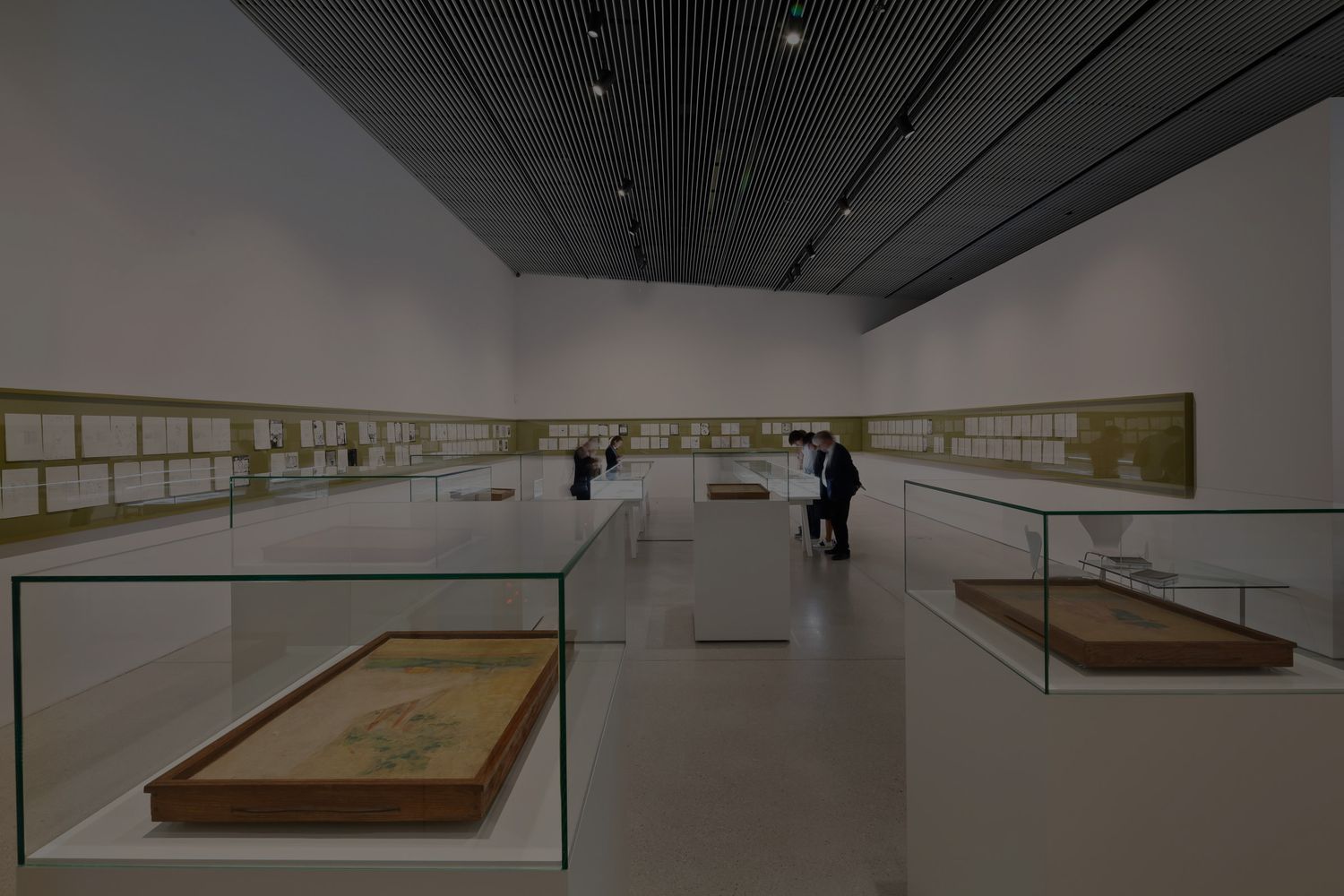

Header / Cover image: V&A, London
Buildings tend to erase their own history.
Once the cladding is installed, the structure disappears. Once the ceilings are closed, the building services vanish from sight. By the time a project reaches completion, years of construction activity have been hidden behind finished surfaces.
Construction photography preserves that history. Through regular site visits, repeated viewpoints, milestone coverage and project films, it documents the process of making a building rather than simply the finished result. For developers and contractors, this creates a valuable record of progress. For future project teams, it provides a visual archive of decisions, techniques and achievements that would otherwise be lost.
In an industry built on tangible outcomes, photography provides something equally valuable: evidence of the journey.


Top row, left to right: V&A London; Greenwich, London; Boston Manor, London; Cane Hill Hospital, Croydon.
Bottom row, Left to right: Wilkins Hall, Kings College; Cambridge, Project Domus, Cambridge; Greenwich Visitor Centre, London; 100 Beresford Avenue, London.
Why construction photography matters
Every construction project generates a huge amount of information.
Programmes, reports, drawings and meeting notes all help tell the story of the build. Photography adds something those documents cannot.
A single image can instantly communicate:
- Current site conditions
- Progress against programme
- Milestone achievements
- Construction sequencing
- Site constraints
- Workforce activity
- Quality of workmanship
Professional imagery is frequently incorporated into board presentations, investor reports, planning submissions and client communications. For many organisations, photography becomes a core reporting tool rather than simply a marketing asset. For project teams managing multiple clients, consultants, project and delivery partners, photographs often become one of the fastest and most effective ways to communicate progress.
Long-term project documentation
Many of our projects begin with a simple requirement: regular updates. What starts as a monthly site visit often becomes a comprehensive visual archive covering the entire construction programme. Long-term project documentation captures the stages that will later disappear from view and provides a complete visual record of a project's evolution.
Consistent photography throughout a project allows teams to:
- Track progress over time
- Produce clear visual reporting
- Review previous construction stages
- Maintain a complete project record
- Create content for investors and project partners
- Support marketing and business development
For developments lasting several years, this archive often becomes one of the most valuable records produced during the build.


Top row, left to right: V&A London; Bouldrewood Campus, University of Southampton; Life and Mind Building, Oxford University; Cambridge University.
Bottom row, Left to right: Cambridge Science Park; V&A London; GE Aviation, Dowty Propellers, Gloucestershire; V&A London
Weekly and monthly site visits
Consistency is what transforms photography from a collection of images into a useful project resource. Regular site visits allow progress to be documented from the same locations throughout the programme, creating a photographic timeline that clearly shows how the development is changing.
Depending on project requirements, photography can be undertaken:
- Weekly
- Fortnightly
- Monthly
- At key milestones
- During specific phases of construction
Many projects benefit from monthly reporting, while larger developments or complex sites may require more frequent documentation.
Photography provides visual evidence of progress and helps demonstrate:
- Completed works
- Milestone achievements
- Current activity
- Site conditions
- Programme progression
Repeated viewpoints and progress tracking
One of the most effective techniques in construction photography is the use of repeated viewpoints. Photographs are captured from consistent positions throughout the build, creating direct visual comparisons between stages. These images provide an immediate understanding of progress and are particularly valuable for:
- Monthly reporting
- Owner/Developer presentations
- Investor updates
- Project websites
- Planning consultations
- End-of-project summaries
- Marketing and social media
Viewed side by side, repeated images often communicate progress more effectively than any written report.

Film for Wates Construction of the topping out at Canada Water, London. Featuring the event, drone footage, and interviews.
Capturing key construction milestones
Every project reaches moments that deserve dedicated coverage. These milestones often become important records for both internal and external communication.
Ground-breaking ceremonies
Ground-breaking events mark the official start of construction and frequently involve developers, investors, local authorities and project partners. These are often used in press releases, social media, and internal communications.
Topping out ceremonies
Reaching the highest structural point of a building is an important milestone for any project team. Topping out ceremonies provide an opportunity to celebrate progress, acknowledge the workforce and generate positive publicity around the development. Capturing these events professionally ensures the achievement is properly documented for future use.
Team photography and workforce recognition
Construction projects are built by people. While progress imagery focuses on the physical development, team photography highlights the expertise and collaboration behind it.
Professional portraits and site-based team photography can be used across:
- Recruitment campaigns
- Company websites
- Annual reports
- Social media
- Internal communications
- Award submissions
Giving visibility to the people delivering the project often creates some of the most engaging content for clients and contractors alike.


Above: Museum and Roman Villa, The Newt in Somerset. For Stonewood Design Architects and The Newt in Somerset.
Time-lapse photography
Some construction activities are best understood through motion rather than individual still photographs.
Day-long time-lapse photography can document:
- Concrete pours
- Crane operations
- Steel erection
- Façade installation
- Logistics operations
- Major site milestones
Compressing hours of activity into a short sequence provides a powerful visual representation of work taking place on site.
Time-lapse content is particularly effective for project presentations, investor updates and social media communications.
Construction films and project movies
As expectations around project communication continue to grow, many developers and contractors are moving beyond still photography. Construction films combine photography, video, time-lapse footage and interviews to document how a project was delivered, the expertise involved and the people responsible for making it happen.
A project film may include:
- Progress updates
- Site activity
- Key milestones
- Team interviews
- Drone footage
- Time-lapse sequences
- Completed project imagery
These films are particularly valuable when they document specialist construction techniques, innovative engineering solutions or unusual project challenges.
Where a contractor is using a unique methodology, pioneering technology or a complex installation process, video allows that expertise to be recorded and explained in a way that still photography alone cannot achieve. This type of content delivers value far beyond the project itself.
Contractors, specialist subcontractors, engineers and suppliers can use the footage across their own marketing channels, websites and social media platforms to demonstrate capability and highlight their role in delivering the project.
For organisations introducing a new system, using a novel construction process or delivering a technically challenging piece of engineering, professional video documentation can become a powerful business development asset. It allows teams to showcase expertise, demonstrate innovation and create a public record of achievements that may distinguish them from competitors.
As a result, a construction film often becomes more than a project record. It becomes a marketing resource that continues creating value long after the site has reached completion.

Film for SES Engineering Services of their plant delivery to Timber Square, London.
Construction photography case study
On a recent residential development at Canada Water in London photography and filming was commissioned at regular intervals from the earliest site preparation works through to completion.
By maintaining consistent viewpoints throughout the programme, it was possible to document every major stage of construction, including groundworks, structural progress, envelope installation and fit-out, alongside milestones and VIP site visits.
The imagery was used across multiple areas of the project:
- Monthly partners reports
- Investor updates
- Project presentations
- Marketing communications
- Completion documentation
By the time the development reached handover, the main contractor, Wates Construction had accumulated a comprehensive visual archive spanning the entire construction programme.
What began as a progress reporting requirement became a valuable business asset used by project, marketing and communications teams alike.
Images and film below: Canada Water, London.


Beyond handover
The value of construction photography does not end when a project finishes. The imagery created throughout the build can continue supporting:
- Future tenders
- Bid submissions
- Marketing campaigns
- Project case studies
- Award entries
- Recruitment initiatives
- Corporate archives
A completed building tells part of the story.
The construction process reveals how that outcome was achieved.
The value of construction photography
The most successful construction photography programmes do more than simply record what happened on site. They create a consistent visual record that helps teams communicate clearly, report confidently and preserve the history of a project from ground breaking to handover.
Whether through long-term project documentation, weekly or monthly site visits, milestone photography, team portraits, repeated viewpoints, time-lapse sequences or project films, construction photography helps developers and contractors tell the complete story of a build.
And once the hoardings have been removed and the site handed over, that story becomes a valuable asset in its own right.
Image below: Greenwich Peninsula Riverside, London

Fotohaus construction photography and filming services
Fotohaus provides construction photography and filming including:
- Long-term project documentation
- Weekly and monthly site visits
- Construction progress photography
- Ground-breaking ceremony coverage
- Topping out ceremony photography
- Team and workforce portraits
- Repeated viewpoint photography
- Day-long time-lapse capture
- Construction films and project movies
- Investor and developer reporting imagery
- Completion architectural and handover photography
From the first day on site to the final handover, we help developers and contractors create a complete visual record of their projects.
About the author
This Field Note was written by the Fotohaus team. Drawing on decades of experience documenting architecture and the built environment, we share practical guidance, project insights and reflections on photography, design and visual communication. Our team brings expertise from across architecture, construction, sustainability, journalism and photographic practice.