Commissioning architectural photography
often happens at the very end of a project, when deadlines are tight and everyone involved is eager to move on. Yet the photographs may become the project's most enduring legacy, shaping how it is perceived by clients, peers, awards juries, publications and future collaborators.
In our previous Field Notes article, How to Prepare a Building for an Architectural Photography Shoot, we explored how preparation can significantly improve the final outcome. Equally important is choosing the right photographer in the first place. Architectural photography is a specialised discipline, and not all photographers approach buildings in the same way.
So what should you look for when selecting an architectural photographer?
Start with the portfolio
The most obvious place to begin is the photographer's portfolio, but it is worth looking beyond whether the images are simply attractive.
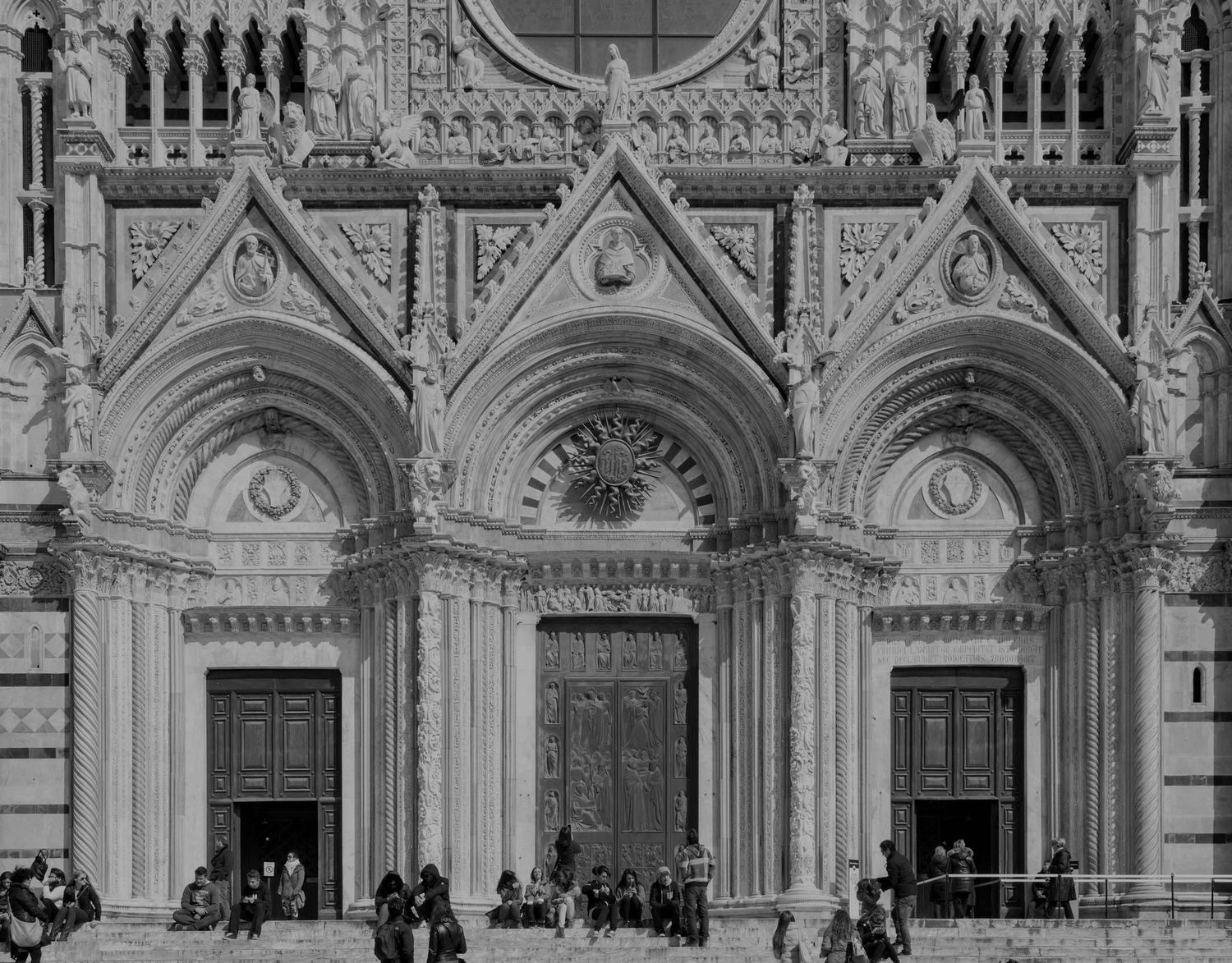
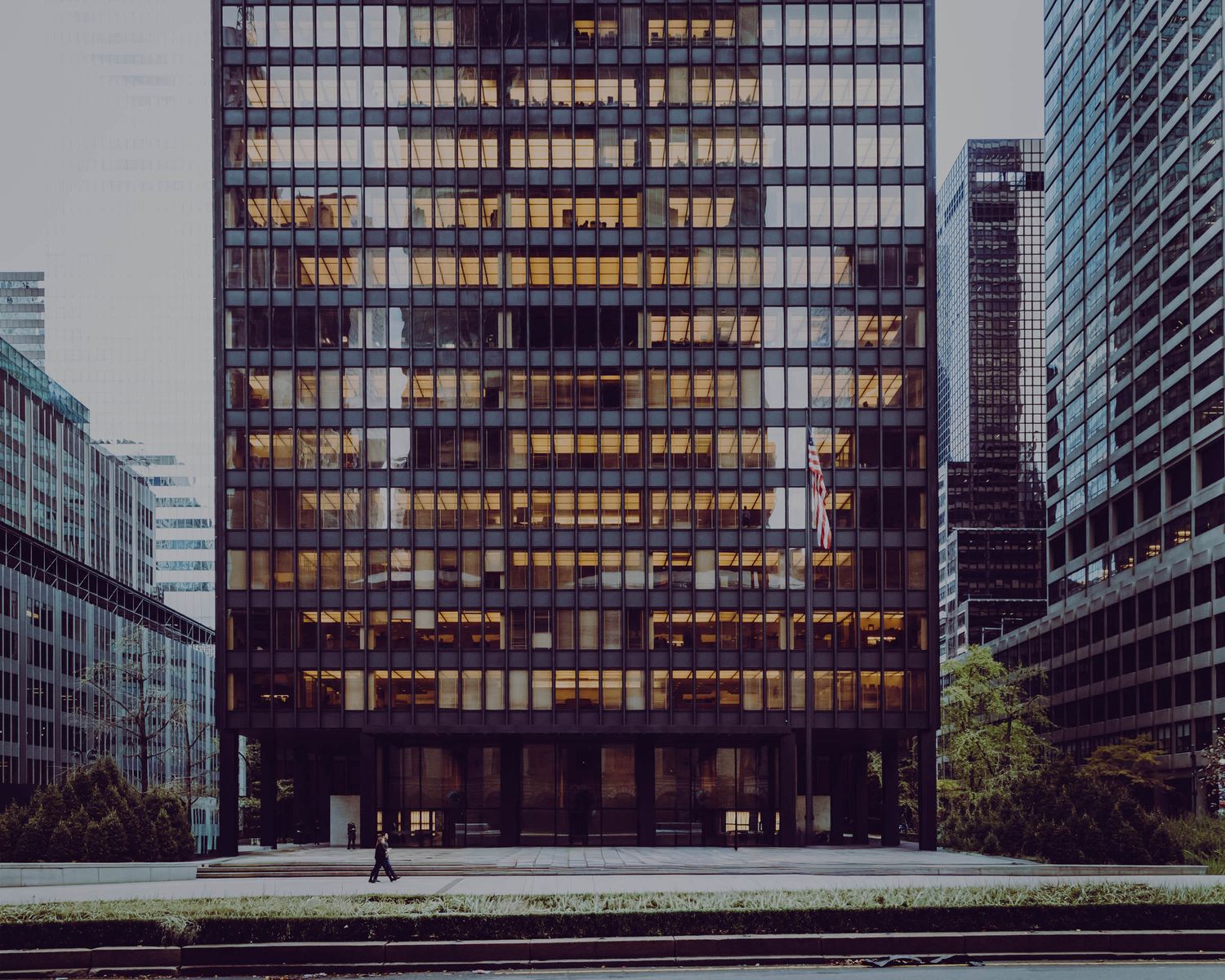
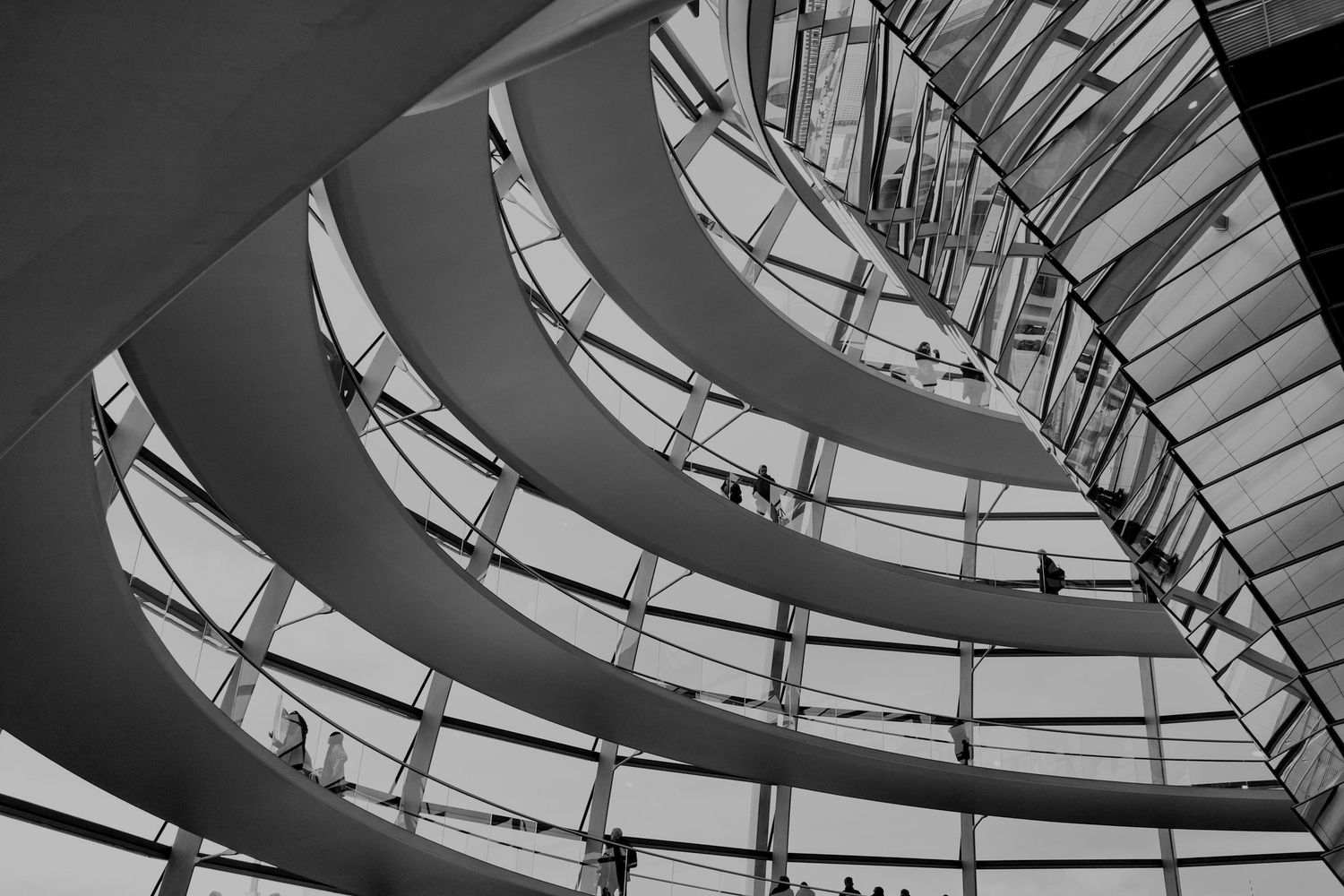
Many photographers showcase only a handful of standout images from a project. While striking hero shots are important, they reveal very little about how a photographer handles an entire commission. Architectural photography is rarely judged on a single image. Architects, developers and publishers typically need a cohesive body of work that explains the building from multiple perspectives, scales and moments.
When reviewing portfolios, ask yourself:
Do the photographs communicate the architect's intentions?
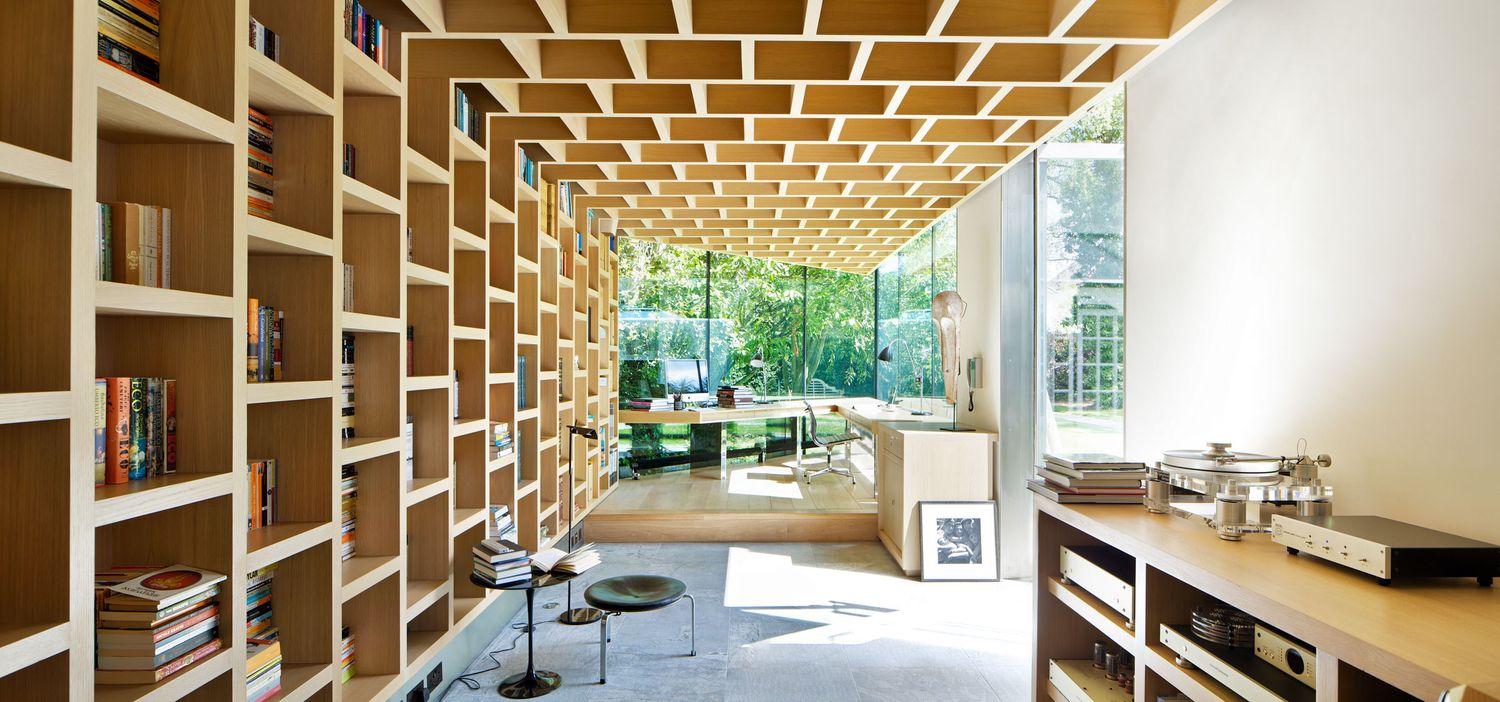
Is there a clear understanding of space, light and materiality?
Can you imagine walking through the building based on the images?
Is there consistency across different projects?
A strong architectural portfolio should demonstrate an ability to interpret a wide range of buildings rather than relying on a particular architectural style. What matters is whether a photographer can produce thoughtful, consistent work across an entire project, not just create a memorable image or two.
This is one of the reasons we've structured the Fotohaus portfolio differently. Rather than presenting isolated hero images, every photograph links through to the complete commission, allowing you to see the full photographic story. You'll find not just the headline shots, but all of the images delivered from the project, including exteriors, interiors, contextual views and the quieter moments that help explain how a building is experienced. We believe this offers a more transparent and useful way to evaluate an architectural photographer's work, because it shows how they approach an entire assignment rather than a carefully curated highlight reel.
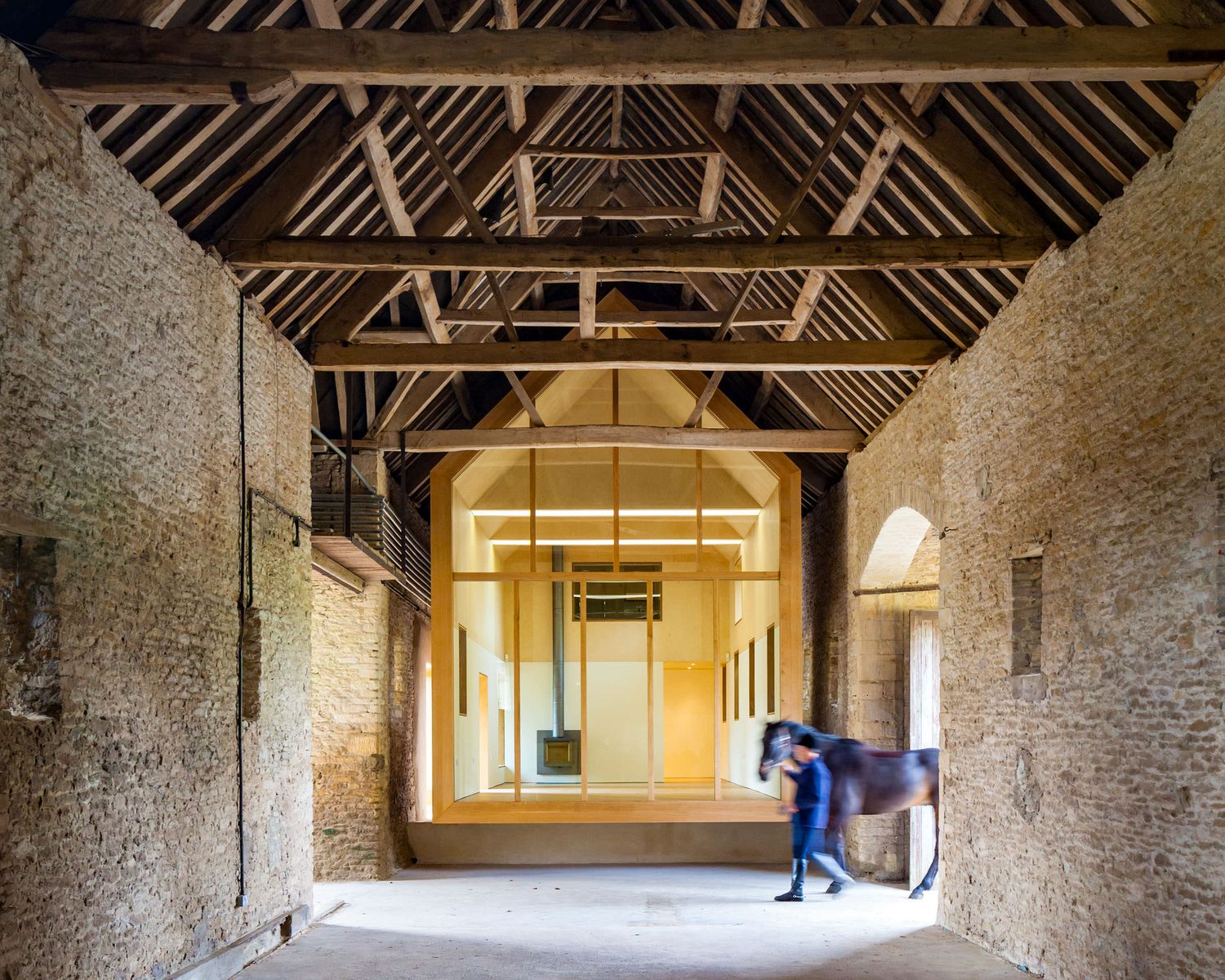
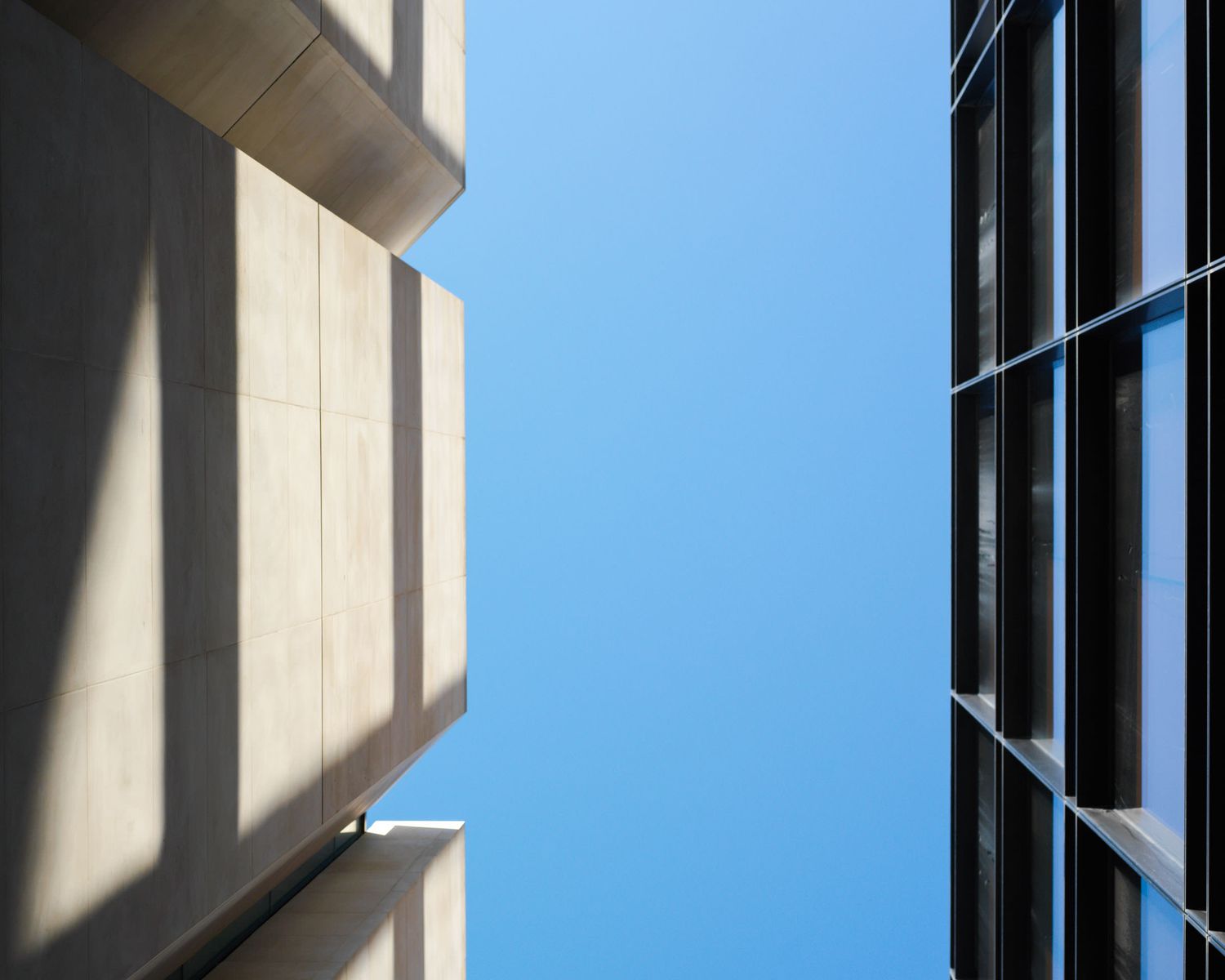
Consider whether their style matches your goals
Architectural photography sits somewhere between documentation and interpretation.
Some photographers produce highly technical records intended to document a building with maximum accuracy. Others favour a more atmospheric approach that prioritises mood, experience and narrative. Neither approach is inherently better, but it helps to understand which aligns with your objectives.
An architect seeking publication in a design journal may have different requirements from a developer producing marketing material or a practice assembling an awards submission. Before commissioning a photographer, review several projects and consider whether their visual language reflects the way you would like your work to be seen.
Look beyond the building
Buildings rarely exist in isolation.
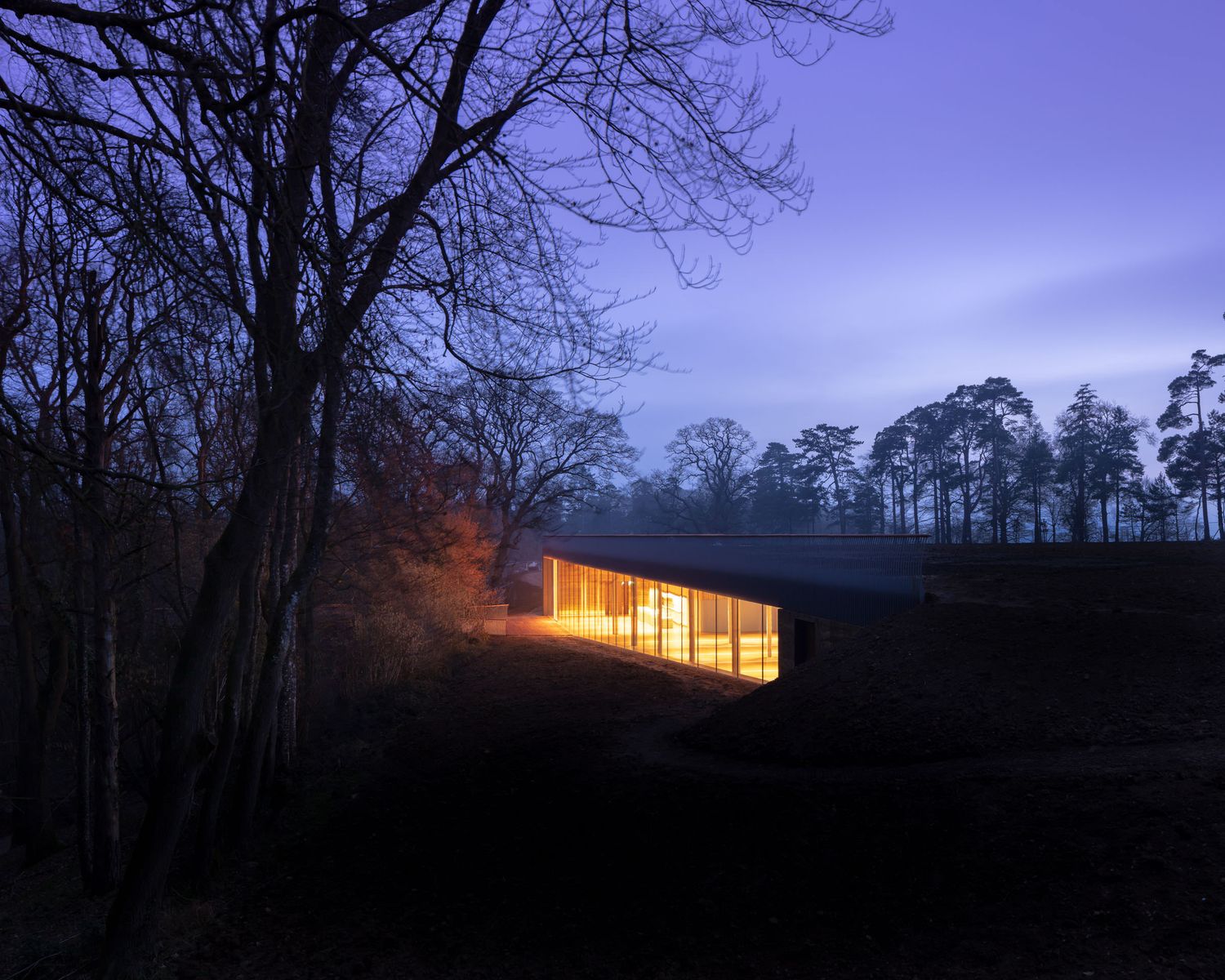
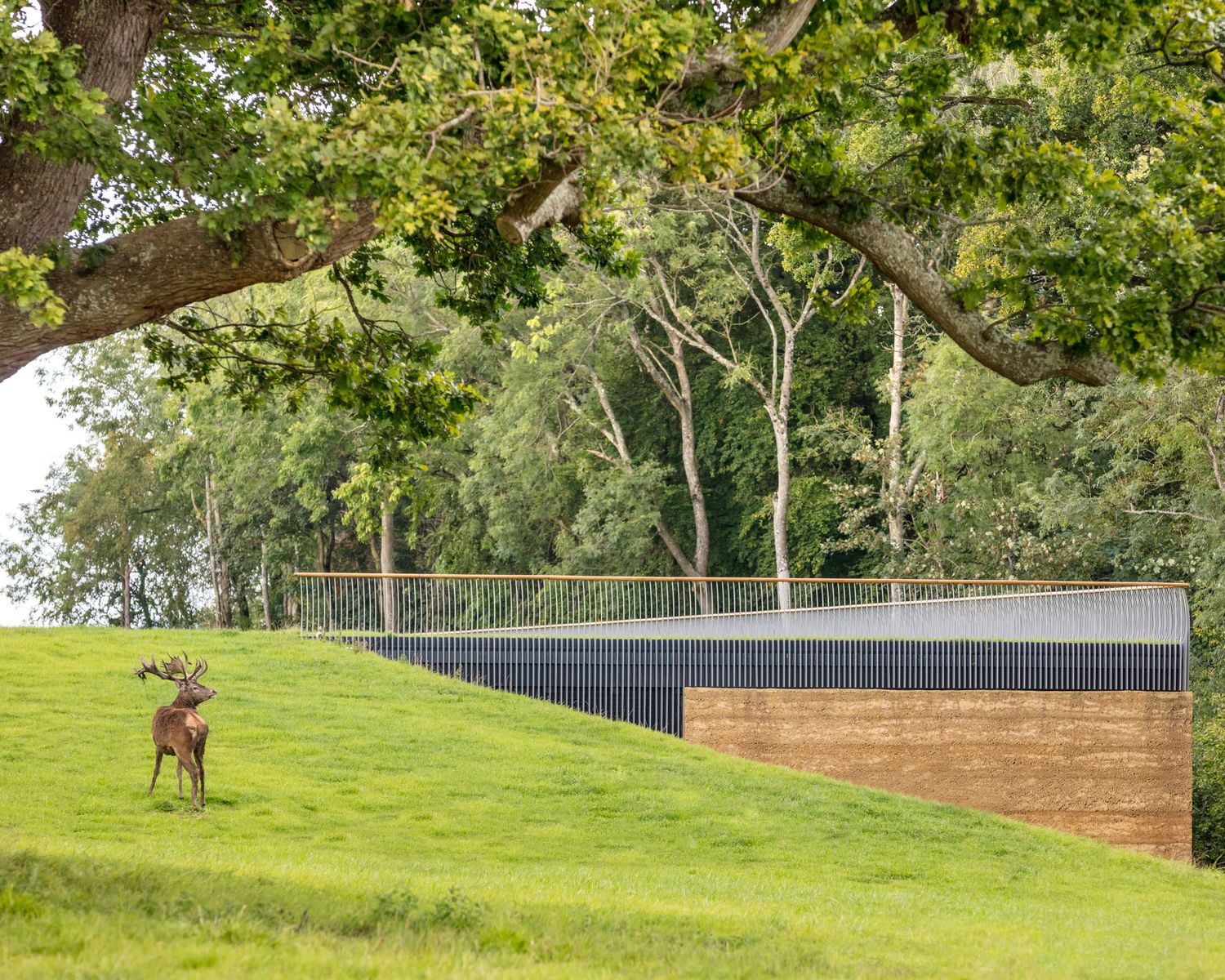
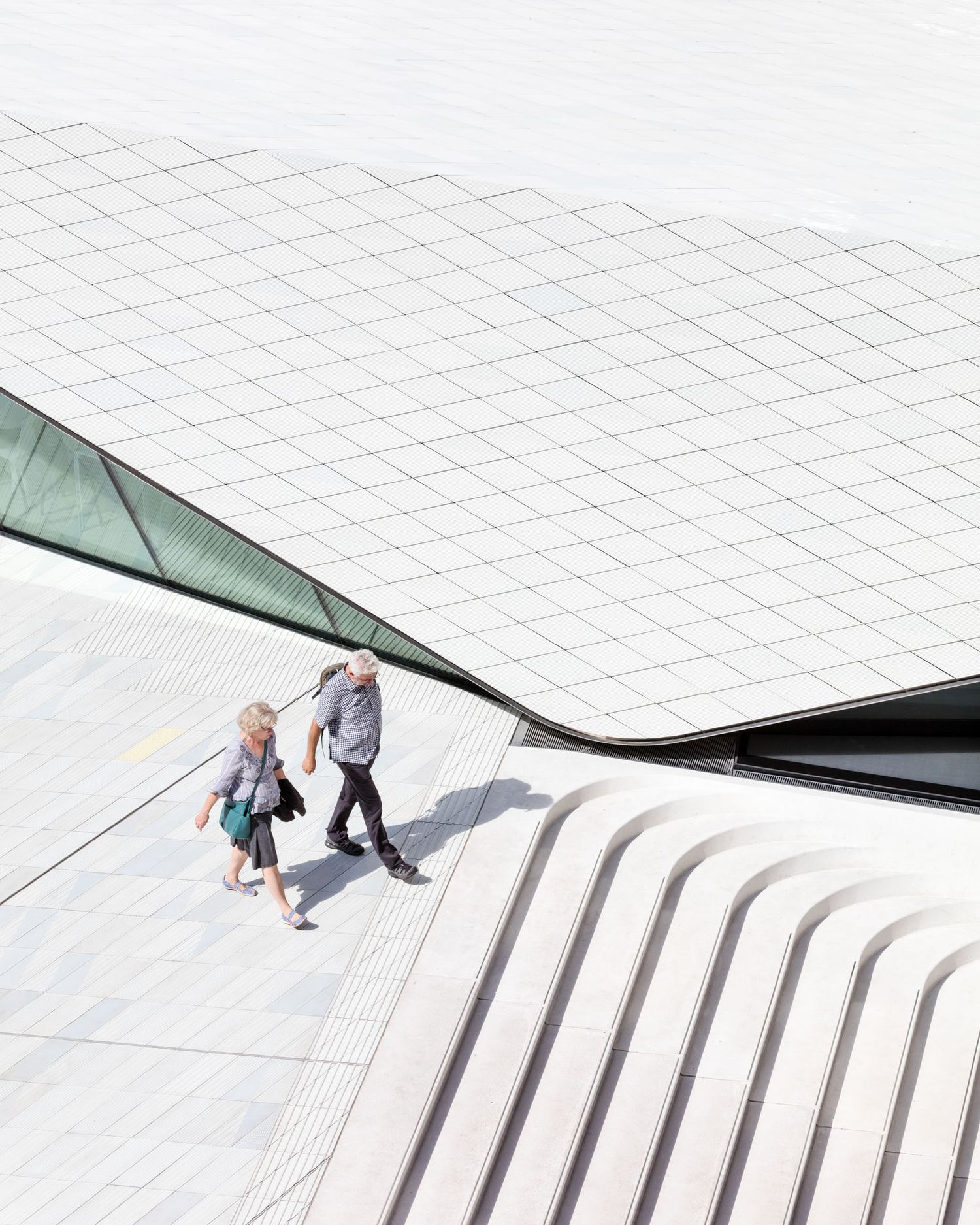
The best architectural photographers understand how architecture interacts with its context, landscape and occupants. They recognise when the presence of people enriches a photograph and when it distracts. They understand how weather, season and time of day influence the reading of a space.
A strong body of work should demonstrate sensitivity not only to architecture itself but also to the wider environment in which it sits.
Ask about their process
The final photographs are only one part of the service.
An experienced architectural photographer will usually discuss:
- The project's key design ideas; for you to provide a brief, marked up plans or attend the shoot in person.
- Intended image uses
- Publication ambitions
- Award submission requirements
- Timing and seasonal considerations
- Occupancy and access arrangements
The quality of these conversations often says as much about the photographer as the images themselves.
Photography sessions frequently depend on variables outside anyone's control. Light, weather, building access and occupancy can all influence the outcome. A photographer with a robust process can anticipate these challenges and help plan around them.
Understand their approach to light
Light is arguably the most important ingredient in architectural photography.
Two photographers standing in the same location can produce dramatically different results simply through their understanding of timing and light conditions.
When reviewing portfolios, pay attention to how daylight is handled. Are interiors evenly illuminated without appearing artificial? Do exterior images reveal form and materiality? Does the light contribute to the story of the building rather than merely making it visible?
A photographer's ability to read and anticipate light often separates competent work from exceptional work.
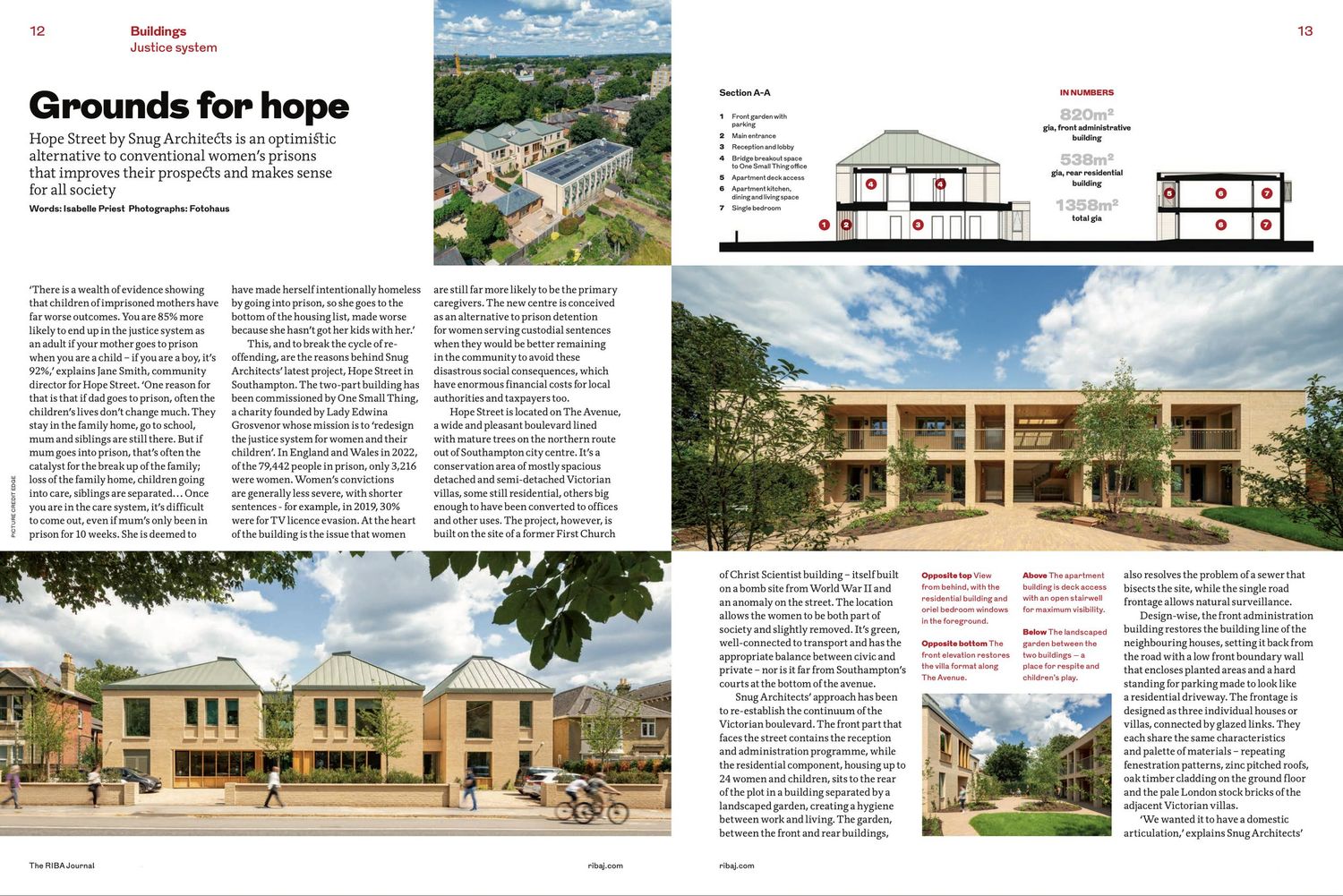
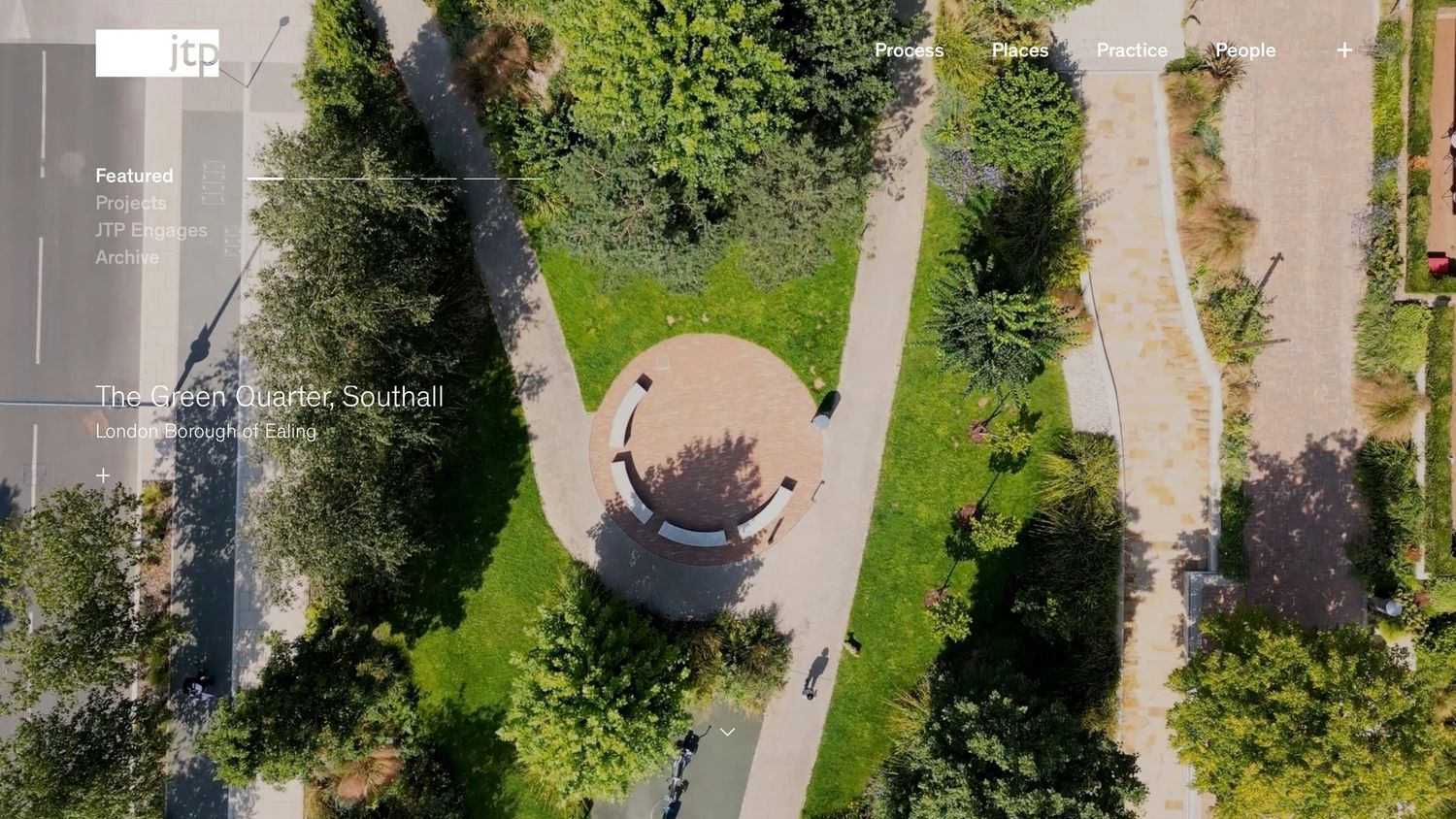
Consider how and where the images will be used
Architectural photography is often used across multiple platforms and audiences.
A typical project may require images for:
- Practice websites
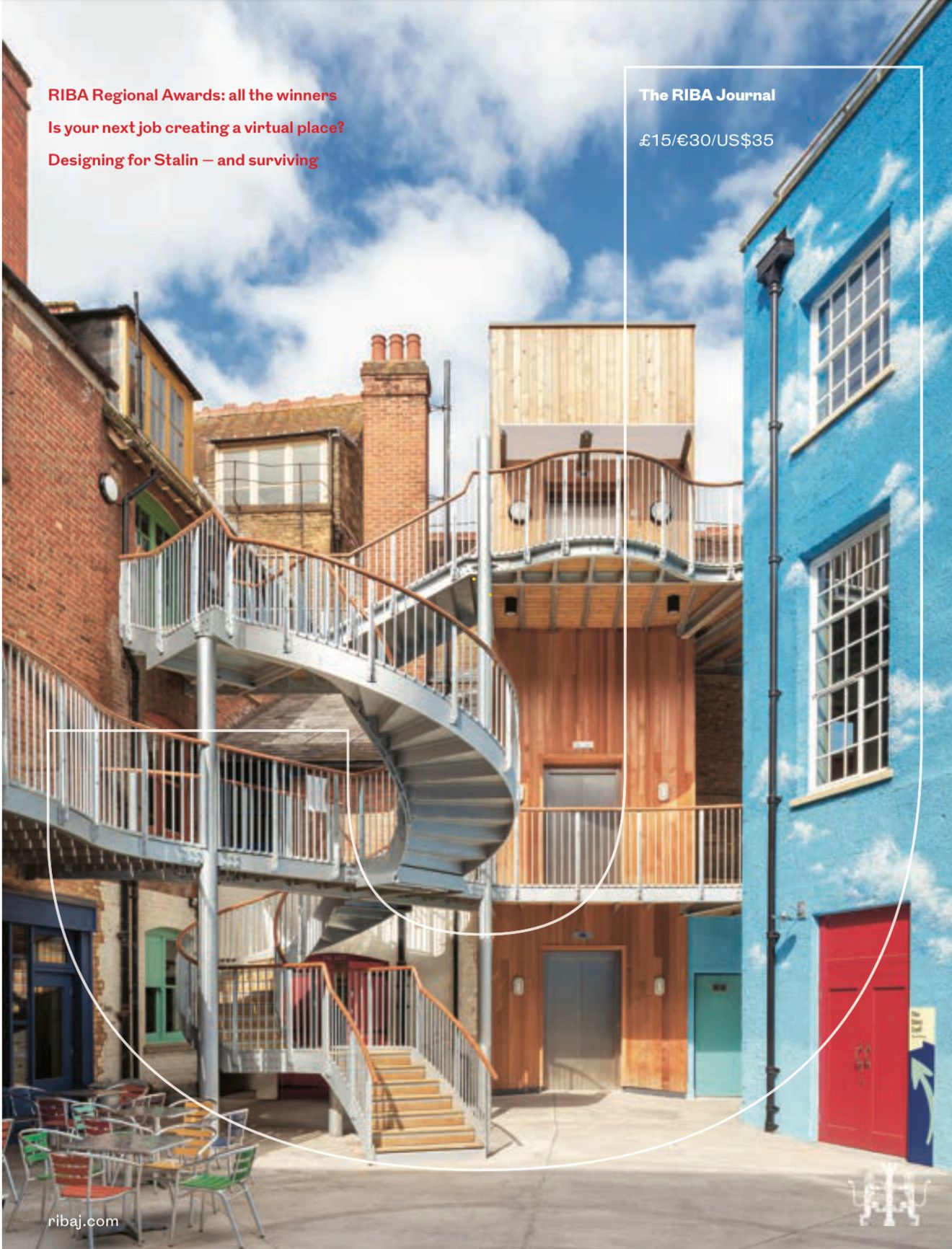
- Press and editorial submissions
- Social media
- Award entries
- Marketing material
- Internal documentation
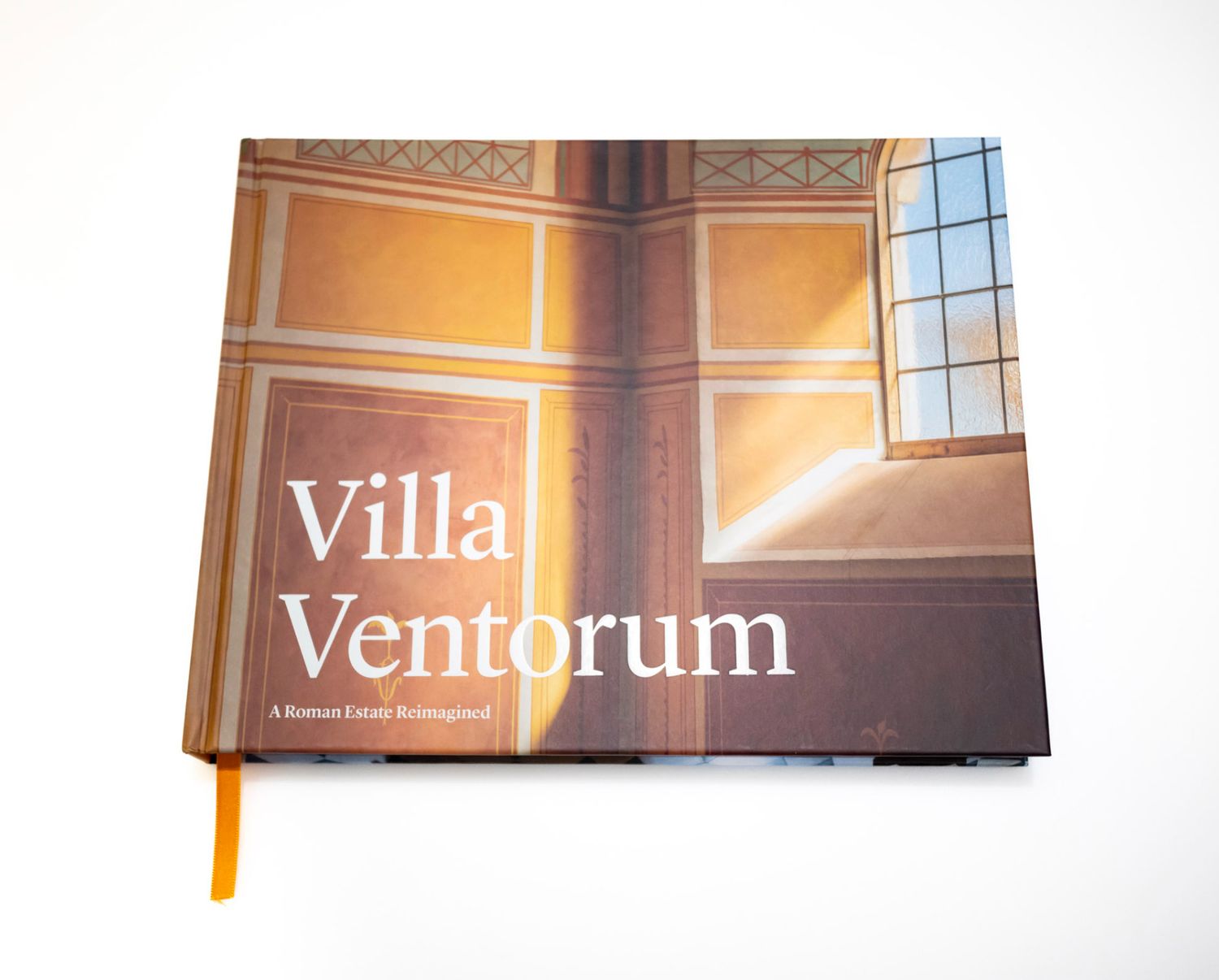
- Book publication
Before appointing a photographer, it is worth understanding exactly what you'll receive and how the images can be used. It is useful to understand what will be provided and whether the photographer has experience supporting these different uses. Discuss image licensing, resolution requirements, retouching standards, copyright and delivery times early in the process to avoid misunderstandings later.
Experience Matters, But Curiosity Matters Too
Experience is valuable because it helps photographers anticipate challenges and make informed decisions quickly.
However, architects often commission younger photographers because they bring fresh perspectives and new ways of seeing familiar subjects.
The real question is not how long someone has been photographing architecture, but whether they demonstrate a genuine curiosity about buildings. The most successful collaborations often emerge when the photographer is interested not only in making images but also in understanding the ideas behind the project.
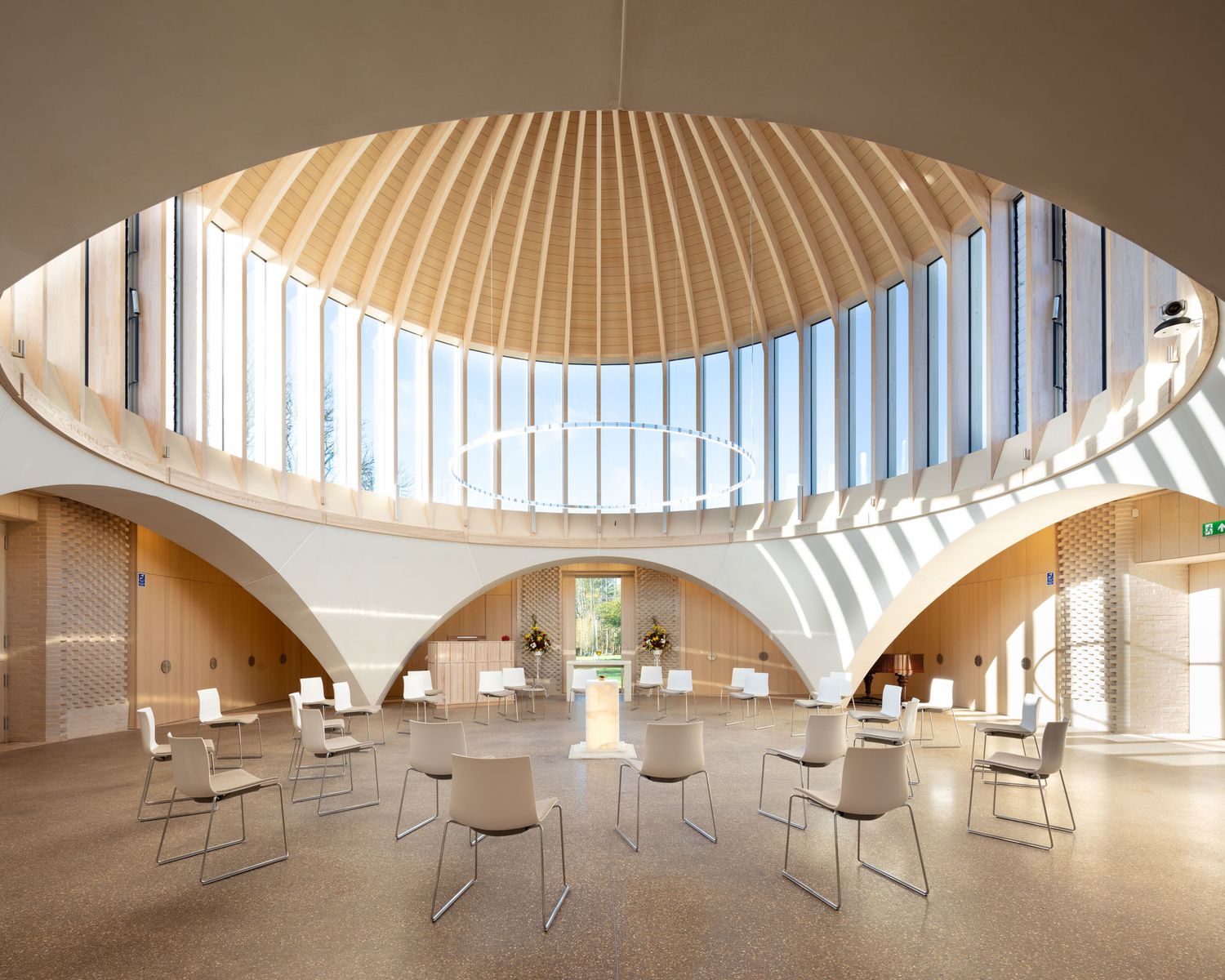
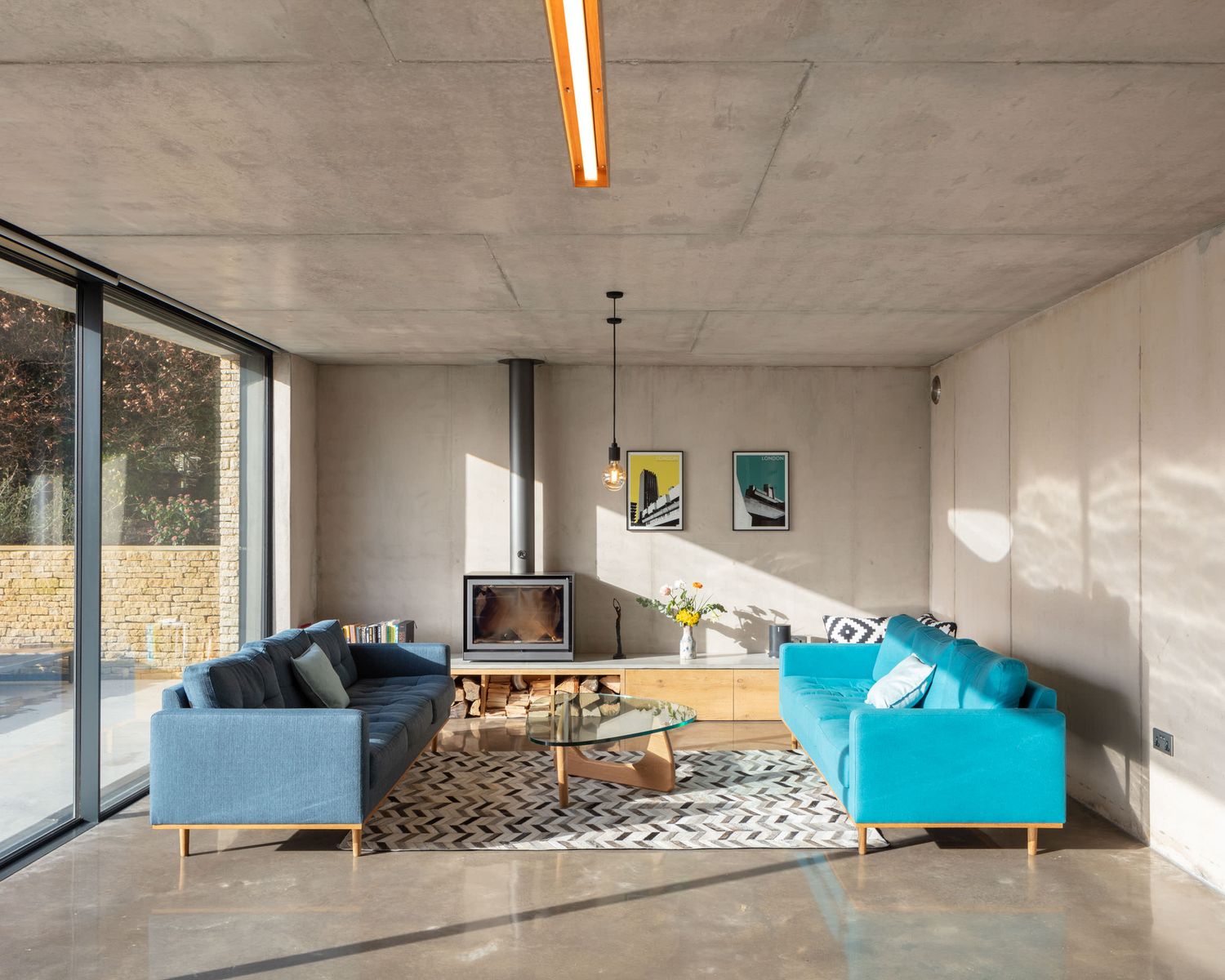
Communication is part of the skillset
Architectural photography is inherently collaborative.
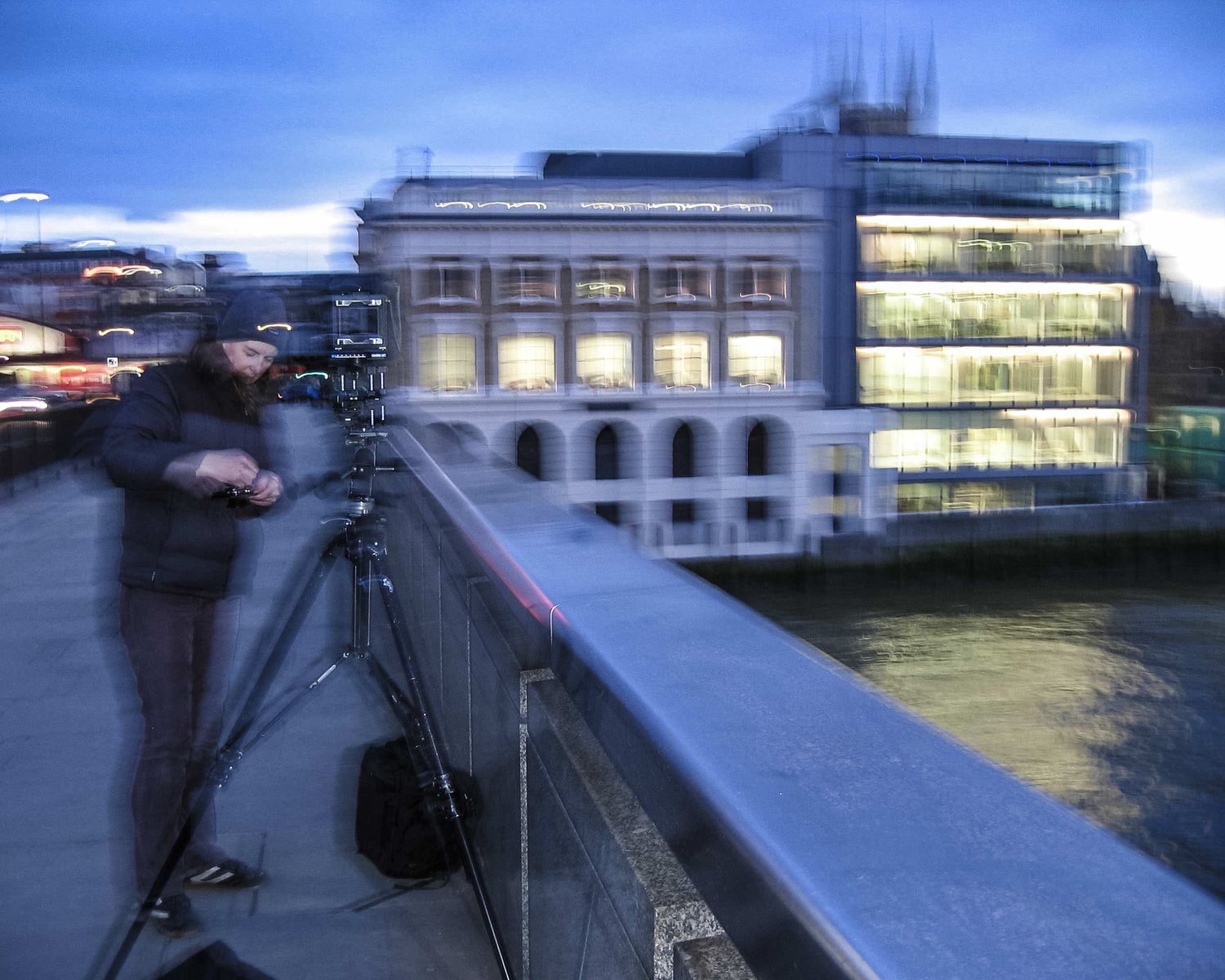
Photographers routinely work with architects, contractors, clients, facilities managers, building users and marketing teams. Strong communication helps ensure everyone understands the objectives for the shoot and the priorities for the final imagery.
A photographer who listens carefully and asks thoughtful questions is often more likely to produce images that genuinely reflect the ambitions of the project.
Think long-term
It can be tempting to choose a photographer based solely on price or availability. While budget is always a consideration, architectural photography is an investment in how a project will be represented for years to come.
The photographs may outlive the marketing campaign, the project team and, in some cases, the building itself.
Choosing a photographer whose work aligns with your values, understands your objectives and can communicate the essence of the architecture is usually more important than selecting the lowest quote.
Final thoughts
The best architectural photography does far more than record a finished building. It reveals intent, atmosphere, experience and context. It helps others understand not just what was built, but why it matters.
By taking time to review portfolios carefully, discuss objectives openly and understand how a photographer approaches both buildings and the people who create them, you can establish the foundations for a successful collaboration and imagery that continues to add value long after the project is complete.
At Fotohaus, we believe the strongest architectural photography emerges from collaboration. Every project begins with understanding the ideas behind the building, the ambitions of the design team, and the audiences the photographs need to reach. Whether we're documenting a carefully crafted private house, a large-scale civic project or a commercial development, our aim is always the same: to create images that communicate not only how a building looks, but how it works, feels and belongs within its wider context. Choosing an architectural photographer is ultimately about finding someone who can become a thoughtful interpreter of your work. That's the role we strive to play on every commission.
If you're preparing for an upcoming commission, you may also find our guide, "How to Prepare a Building for an Architectural Photography Shoot", a useful starting point.
Helping great architecture speak for itself
Guided by light, geometry and a deep understanding of space, we create photographs that communicate the character of buildings and the stories behind their design.