The photographers who changed how we see architecture.
Architecture is experienced by thousands of people, but photographs are often what define a building's legacy. From modernist houses in Los Angeles to the concrete monuments of post-war Europe, the photographers below helped establish the visual language of architectural photography. Their images did more than document buildings. They shaped perceptions of architecture itself and continue to influence photographers, architects and publishers today.
While thousands of great architectural photographs have been made over the past two centuries, a handful have had an outsized influence on how architects think about buildings, representation and visual storytelling. These images demonstrate that architectural photography is not simply about recording a structure. At its best, it shapes the way architecture is understood by the wider public.
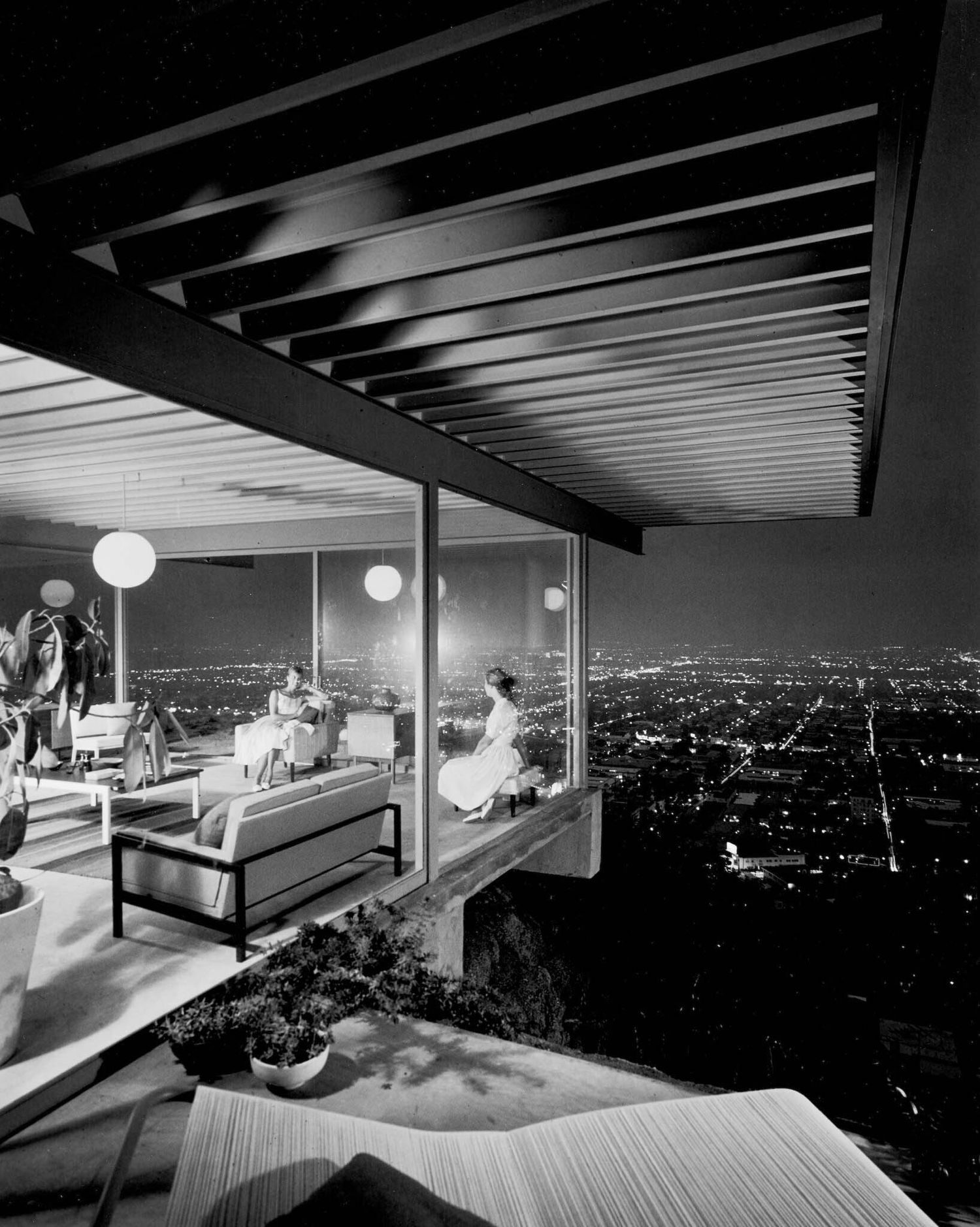
1.
Julius Shulman
Photograph/Building: Case Study House #22, Los Angeles.
Architect: Pierre Koenig
Few photographs have become as synonymous with modern architecture as Shulman's twilight image of the Stahl House overlooking Los Angeles. The photograph captures far more than a residential project. It presents a vision of modern living, where architecture, landscape and lifestyle merge into a single compelling image.
Why he matters:
Shulman transformed architectural documentation into cultural storytelling. His photographs of California modernism helped define the public image of post-war architecture.
What we can learn today
Human presence can strengthen architectural imagery rather than distract from it.
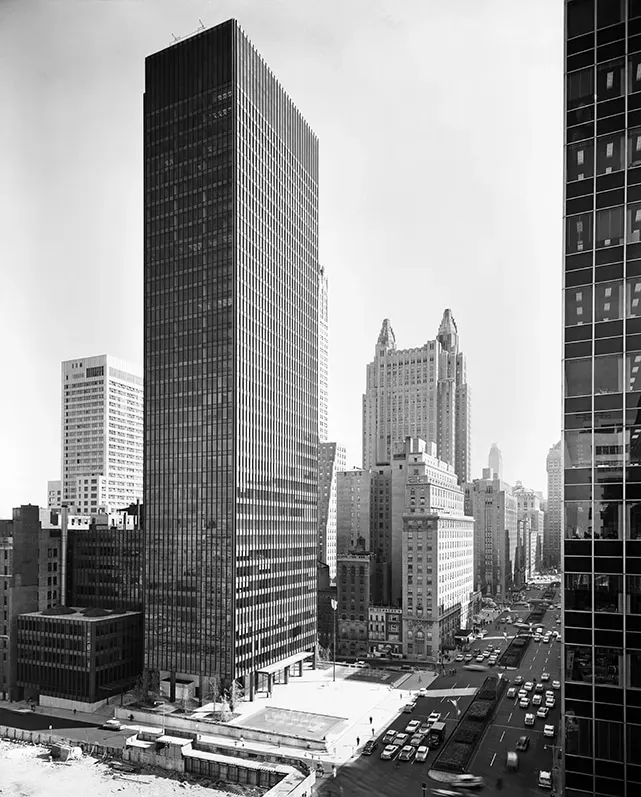
2.
Ezra Stoller
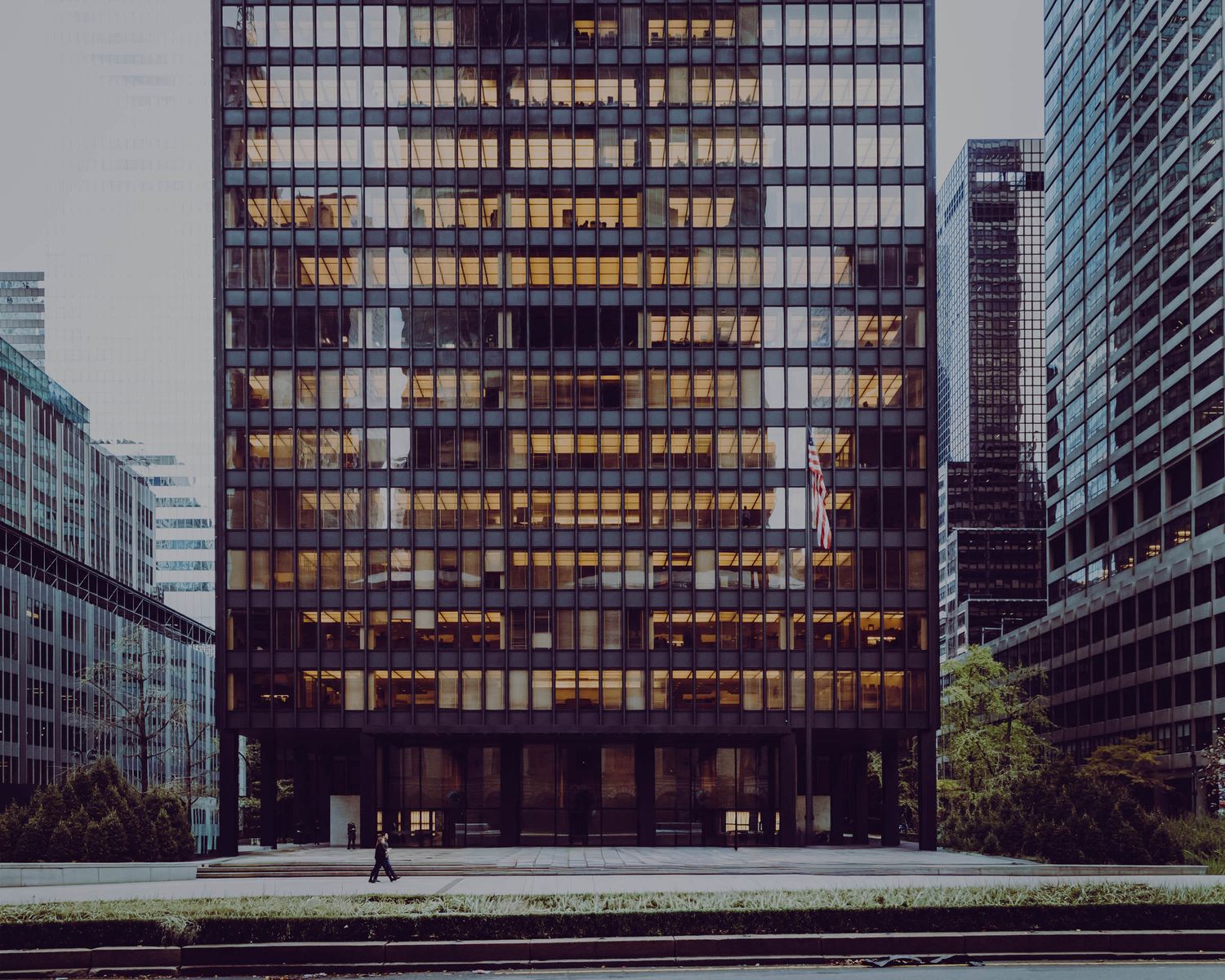
Photograph/Building: Seagram Building, New York
Architect: Ludwig Mies van der Rohe and Philip Johnson
Ezra Stoller's carefully composed photographs of the Seagram Building helped establish the visual identity of corporate modernism. His ability to reveal proportion, materiality and urban context set new standards for architectural photography.
Why he matters
Known for disciplined composition and technical perfection, Stoller became the visual historian of American Modernism.
What we can learn today
Clarity often creates more powerful images than visual drama.
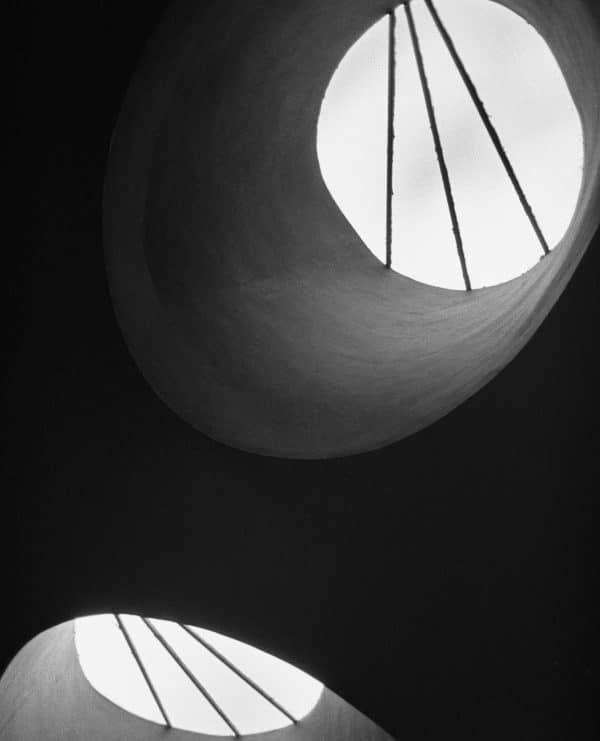
3.
Lucien Hervé
Photograph/Building: Sainte-Marie de La Tourette
Architect: Le Corbusier
Couvent Sainte-Marie de la Tourette is a brutalist Dominican priory completed in 1959 and is considered a masterpiece of modern architecture. Hervé’s black-and-white photographs of the convent use strong geometric shadows, minimalist lines, and stark contrast to emphasize Le Corbusier's concrete volumes and play of light.
Why he matters
Hervé approached architecture as abstraction, using shadows, geometry and cropping to reveal structure.
What we can learn today
Great architectural photography isn't always about showing the whole building.
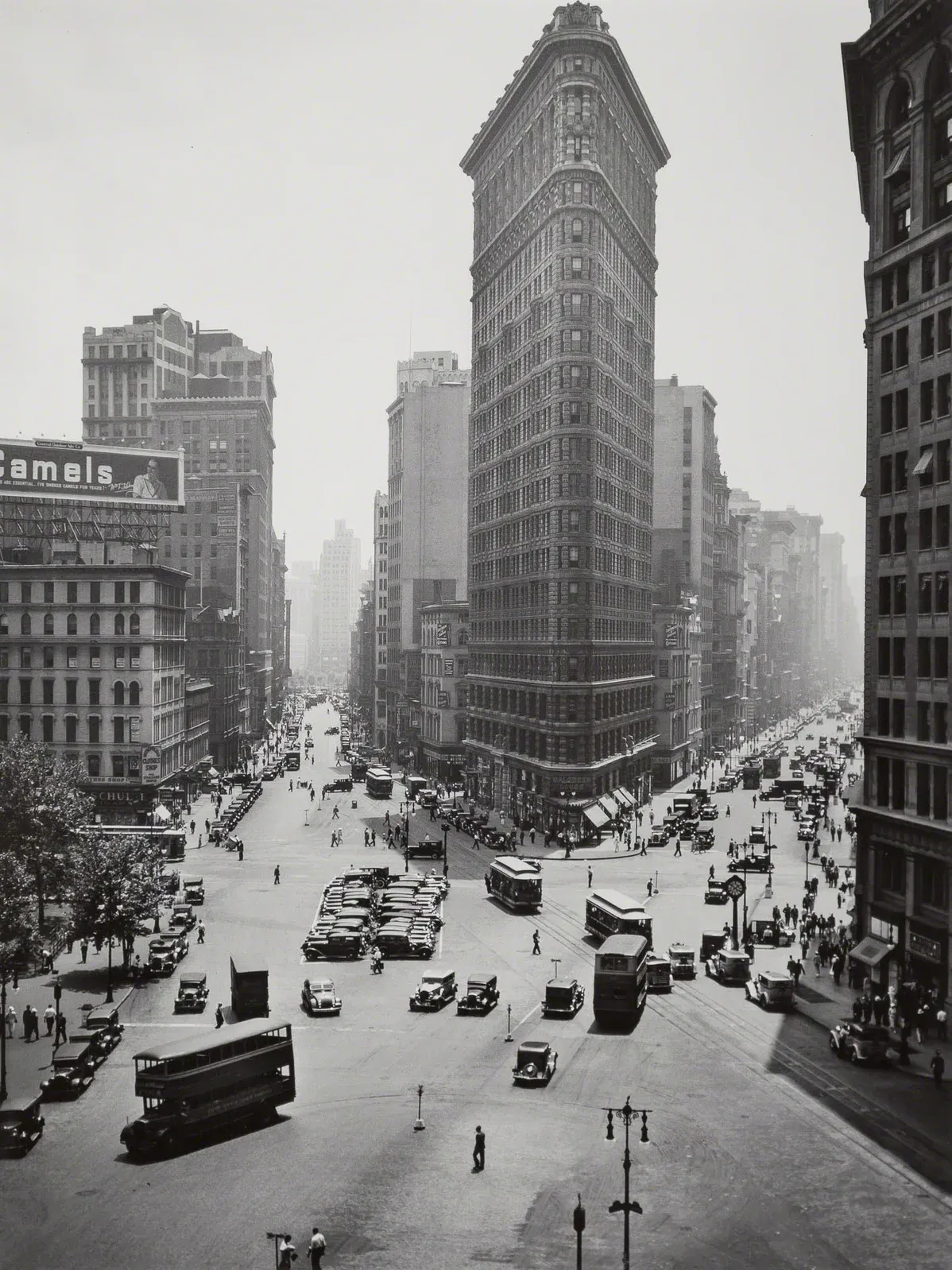
4.
Berenice Abbott
Photograph/Building: Flatiron Building, New York
Architect: Daniel Burnham and Frederick P. Dinkelberg
Berenice Abbott’s photograph of the Flatiron Building (1938) is one of the most iconic images from her monumental project, Changing New York. Funded by the Federal Art Project during the Great Depression, the series documented Manhattan's rapid transformation from 19th-century architecture into a modern, vertical metropolis.
Why she matters
Abbott captured the energy of cities in transition and showed how architecture interacts with urban life.
What we can learn today
Buildings become more meaningful when placed within their social context.
5.
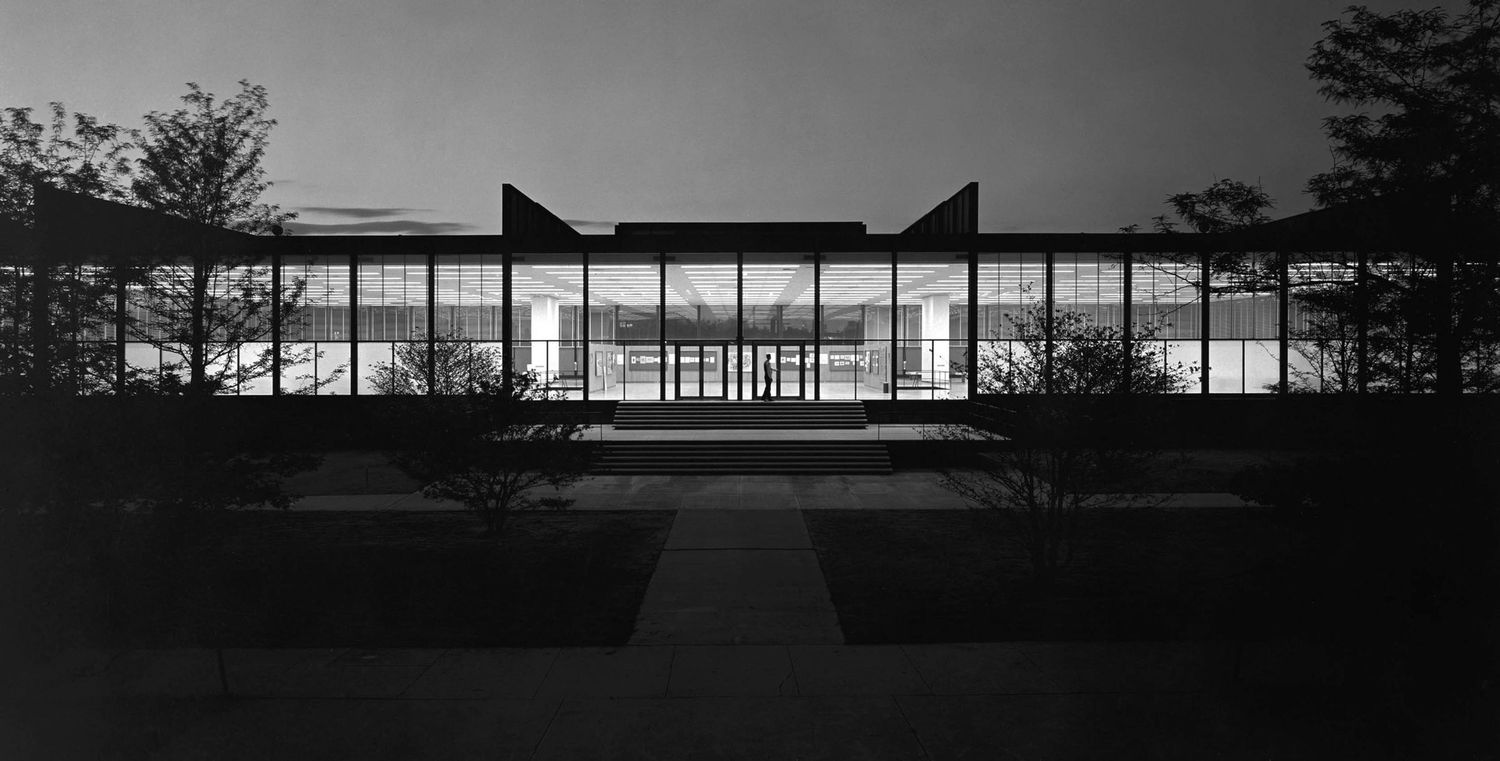
Hedrich-Blessing
Photograph/Building: S.R. Crown Hall, Chicago
Architect: Ludwig Mies van der Rohe
One of the most iconic collaborations between mid-century modern design and architectural imagery. Hedrich-Blessing's dramatic lighting and clean compositions helped define the global perception of Mies van der Rohe's modernist masterpiece.
Why they matter
The studio (Ken Hedrich and Henry Blessing) established many of the visual conventions still used in architectural photography today.
What we can learn today
Technical excellence should serve architectural understanding.
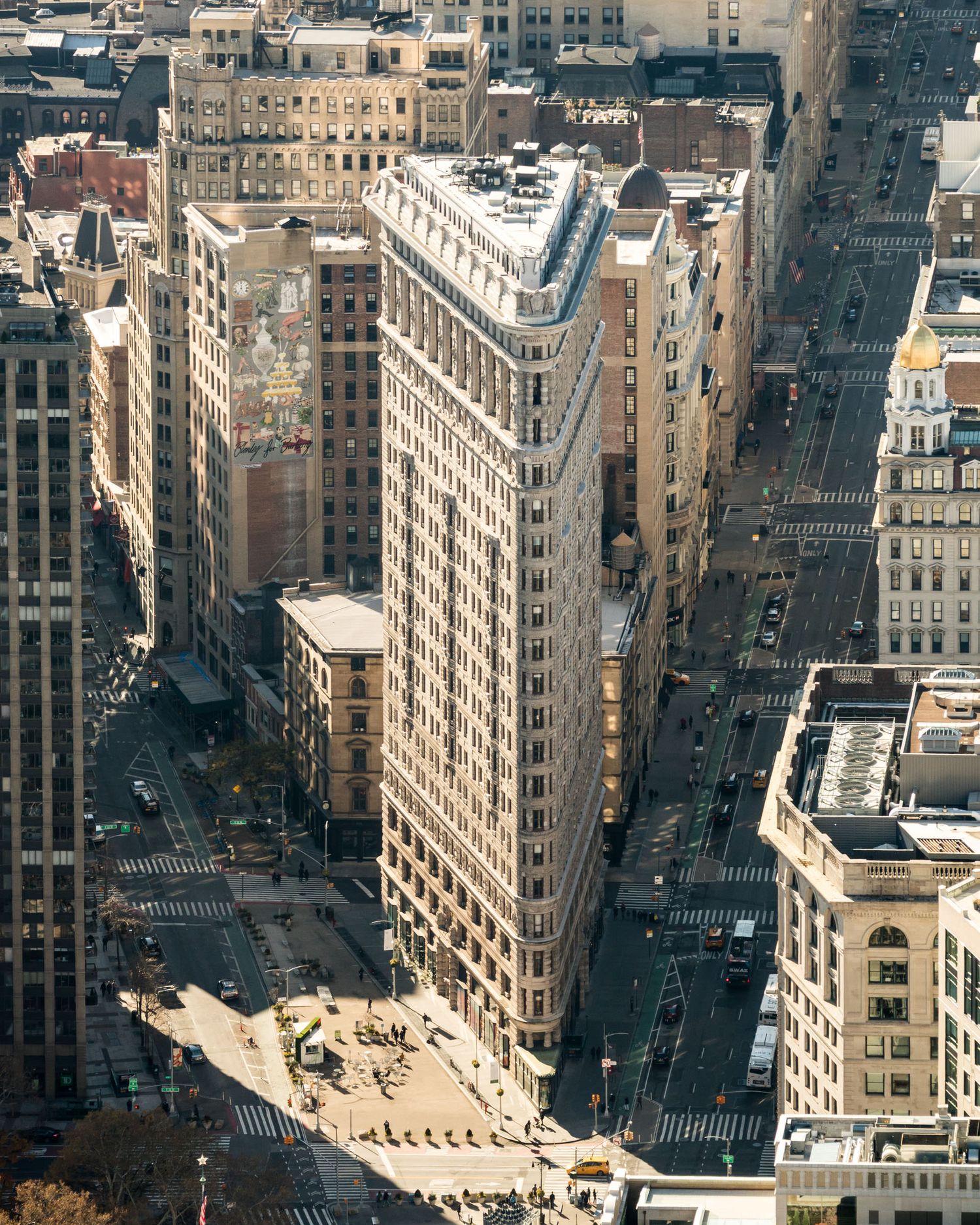
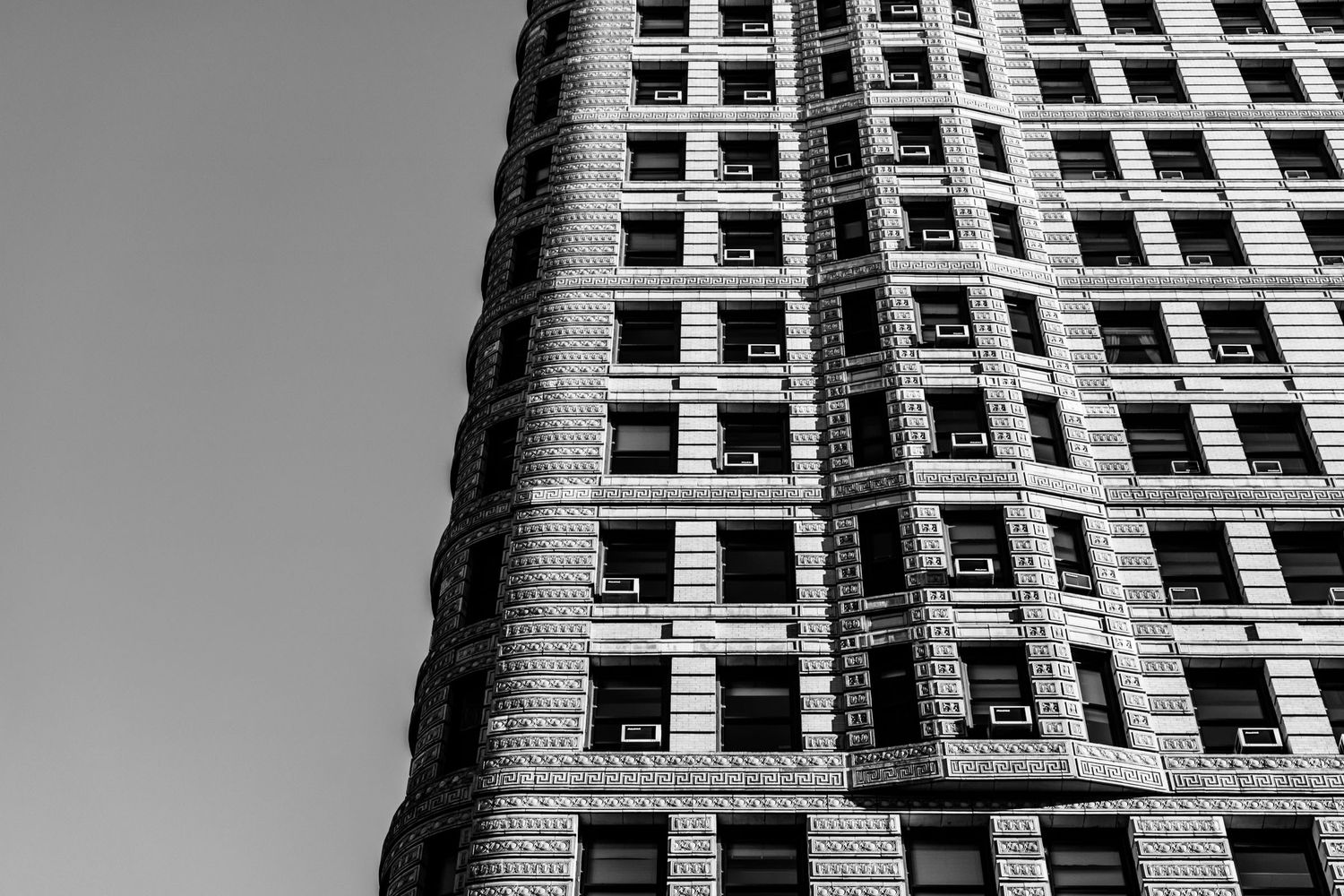
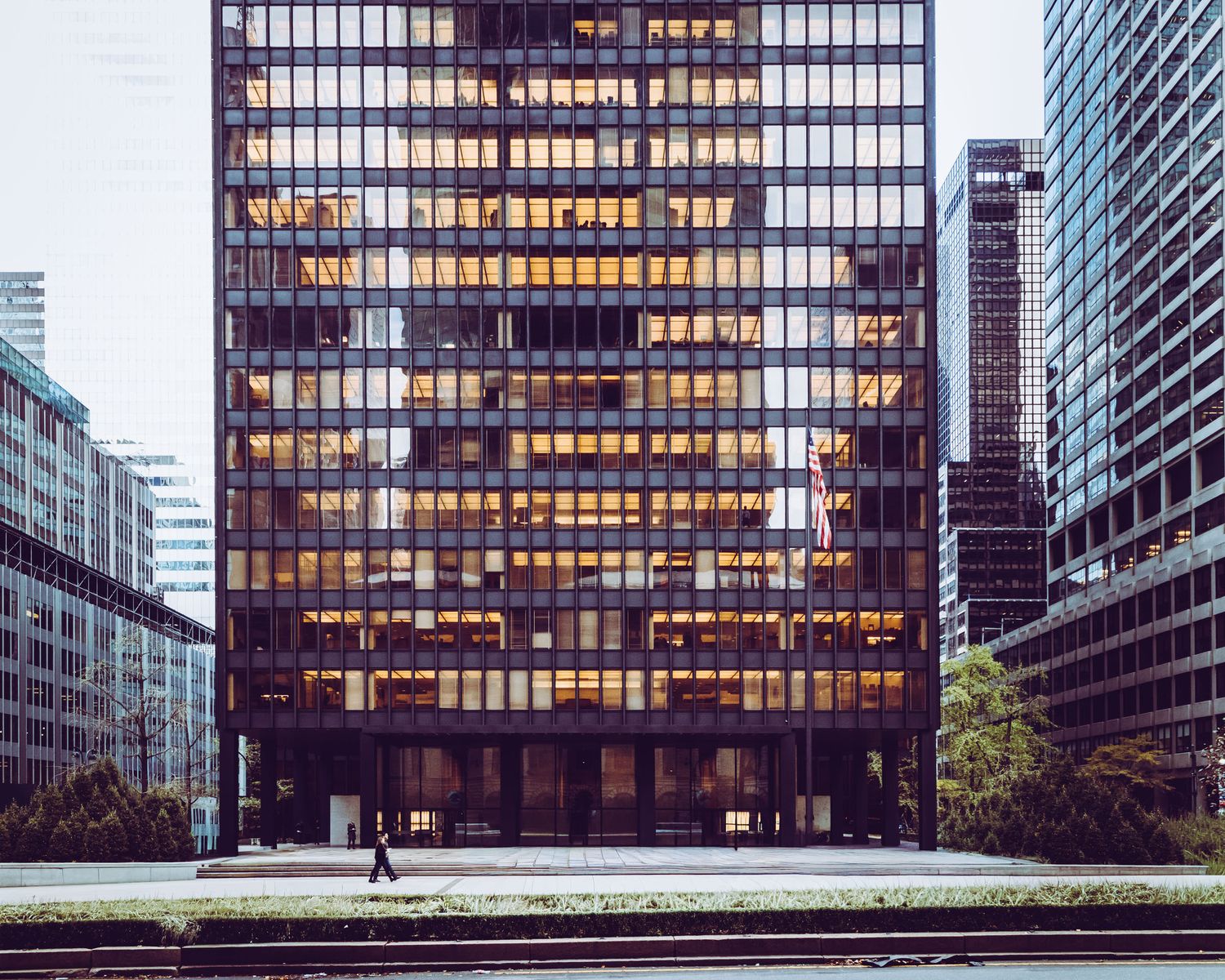
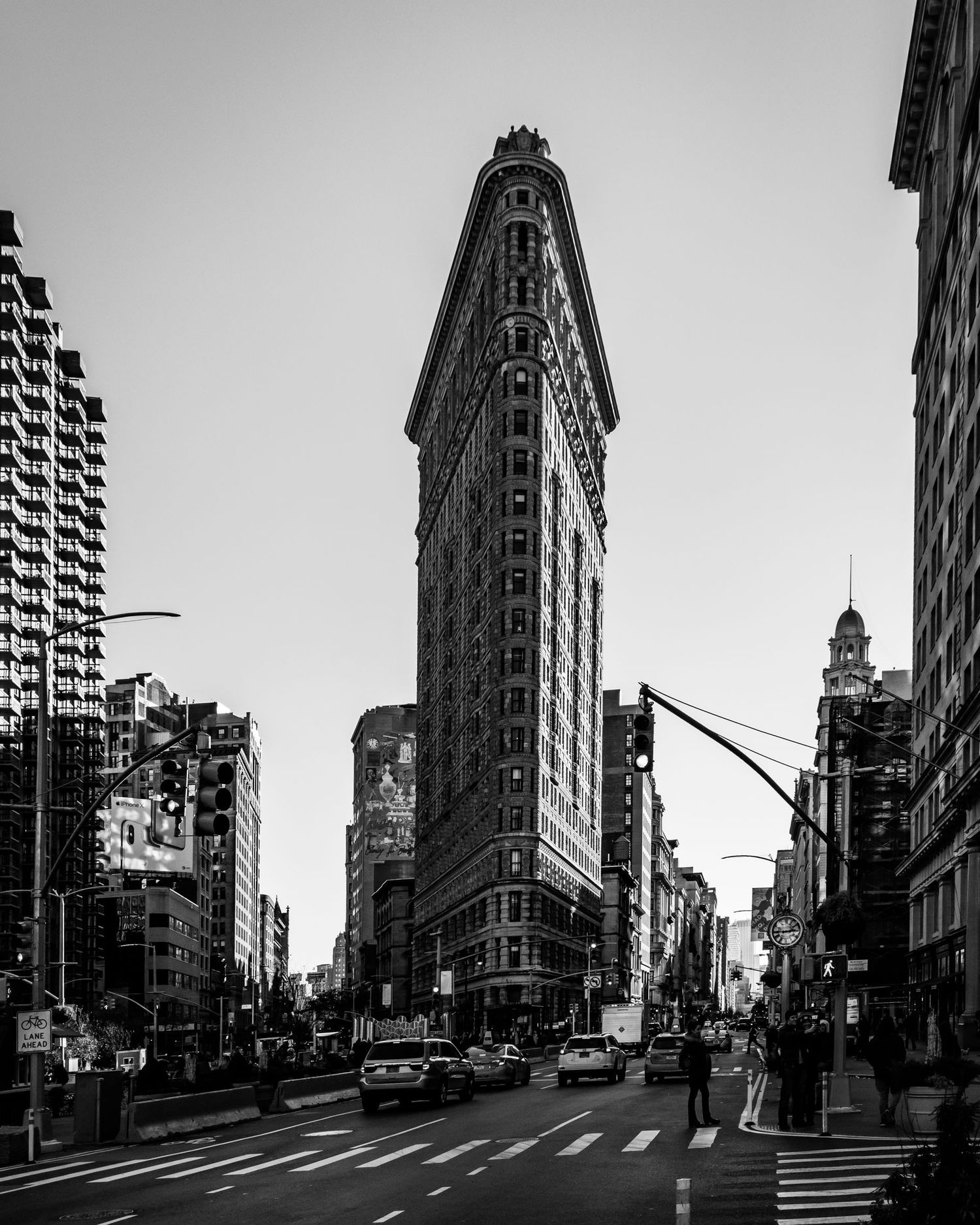
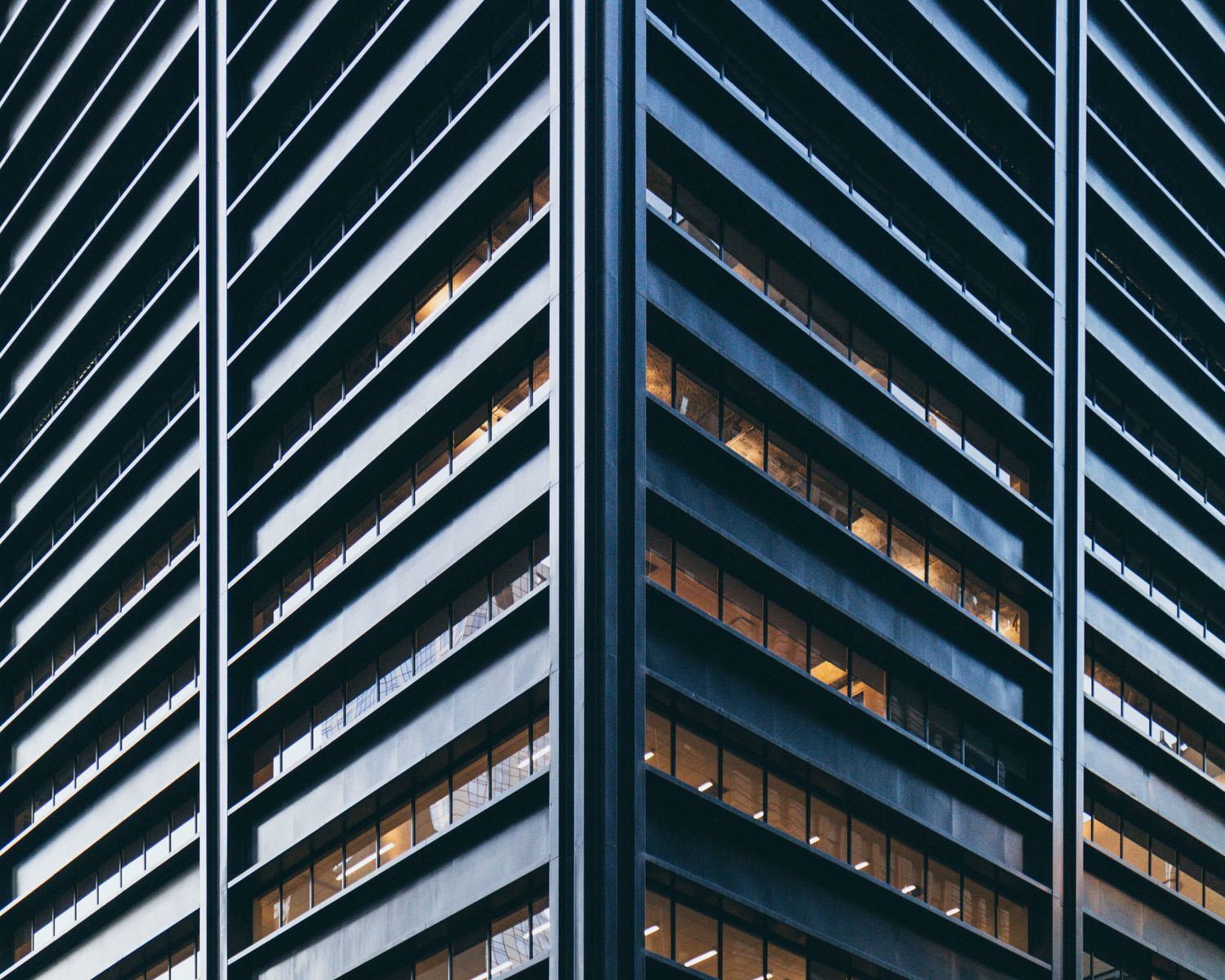
Above. Alongside these iconic works, we've created our own contemporary interpretations of the Flatiron Building and the Seagram Building, revisiting two architectural landmarks through a Fotohaus lens.
The Legacy Continues.
The photographers featured above did far more than document buildings. Julius Shulman shaped perceptions of modern living. Ezra Stoller defined how modern architecture would be presented to the world. Lucien Hervé revealed the power of light, shadow and abstraction. Their images became part of architectural history, influencing how buildings were understood, published and remembered.
Today, architecture is communicated across many more platforms. Photography remains at the heart of the process, but long-term projects increasingly combine still imagery, film, timelapse, exhibitions, books and digital storytelling.
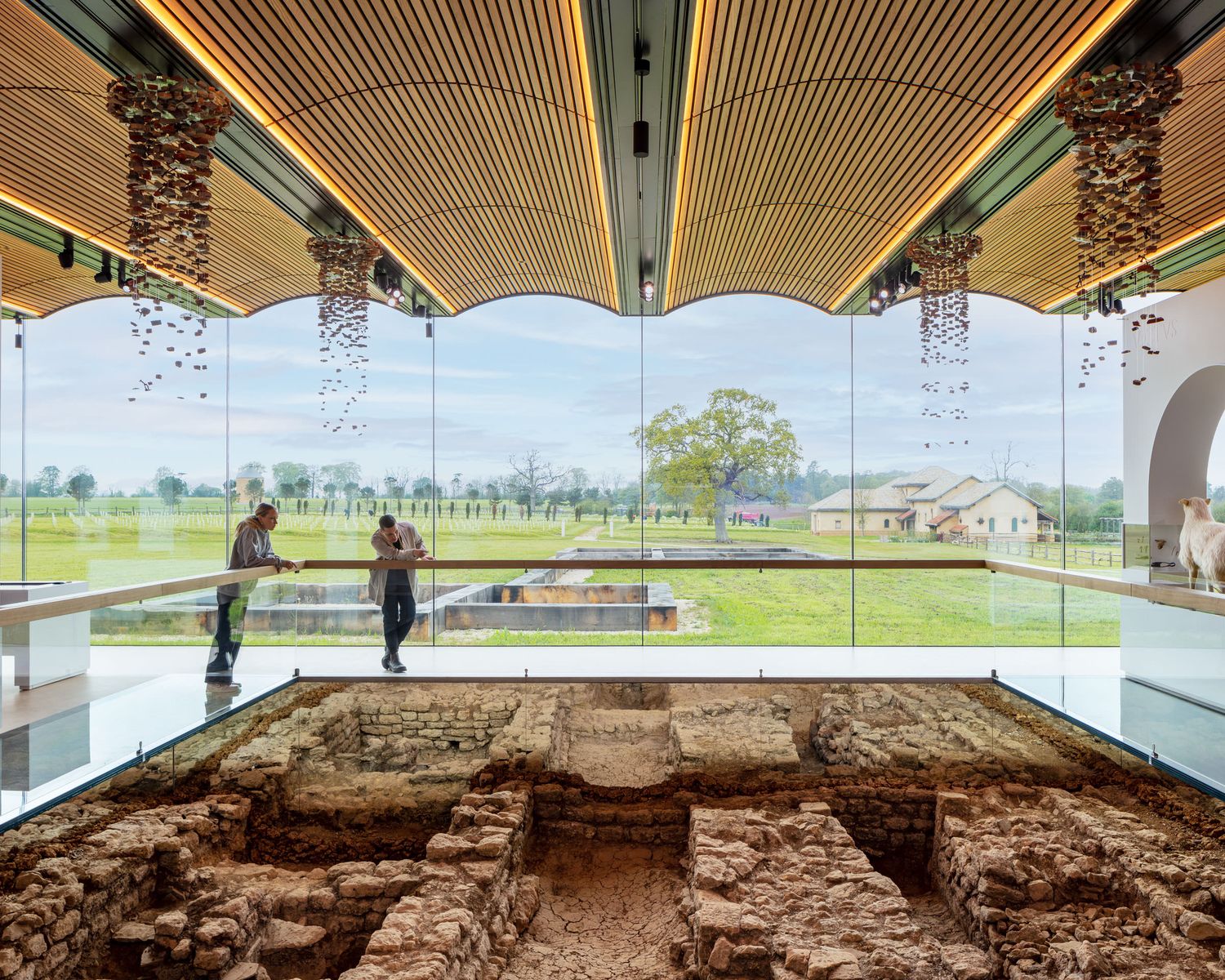
One of our most ambitious commissions demonstrates how architectural documentation has evolved. Over several years, we followed a major cultural project from the first stages of construction to the completed museum, our work became part of the project's legacy, featuring in exhibition installations, the finished architectural record and a major hardback publication.
Just as the great architectural photographers of the twentieth century helped define how we remember buildings, comprehensive visual documentation continues to shape the legacy of architecture today.
Watch how we documented every stage of the project, from the first construction works to the finished museum.