Finding Vivian Maier: the photographer who was never looking for an audience
Some photographers spend a lifetime building a reputation. Others leave behind a body of work that speaks for itself long after they are gone. Vivian Maier belongs firmly in the latter category.
The documentary Finding Vivian Maier (2013), directed by John Maloof and Charlie Siskel, tells one of photography's most remarkable stories: the discovery of an unknown nanny whose vast archive of negatives revealed her to be one of the most significant street photographers of the twentieth century.
The film is part detective story, part biography and part reflection on the relationship between creativity, privacy and recognition. Yet beneath the mystery lies a question that resonates with photographers of every discipline: what happens when the act of seeing becomes more important than being seen?
The discovery of Vivian Maier's extraordinary archive
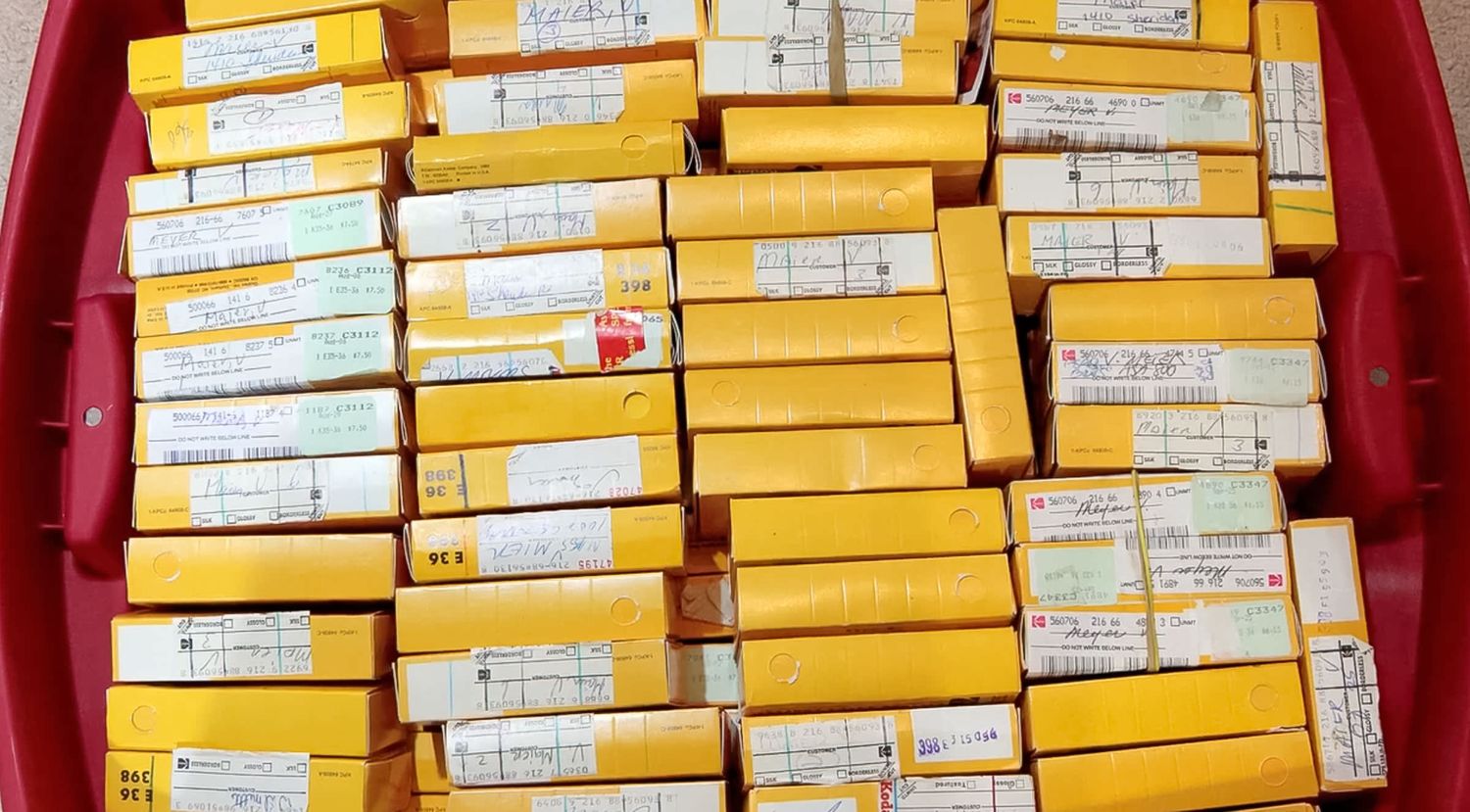
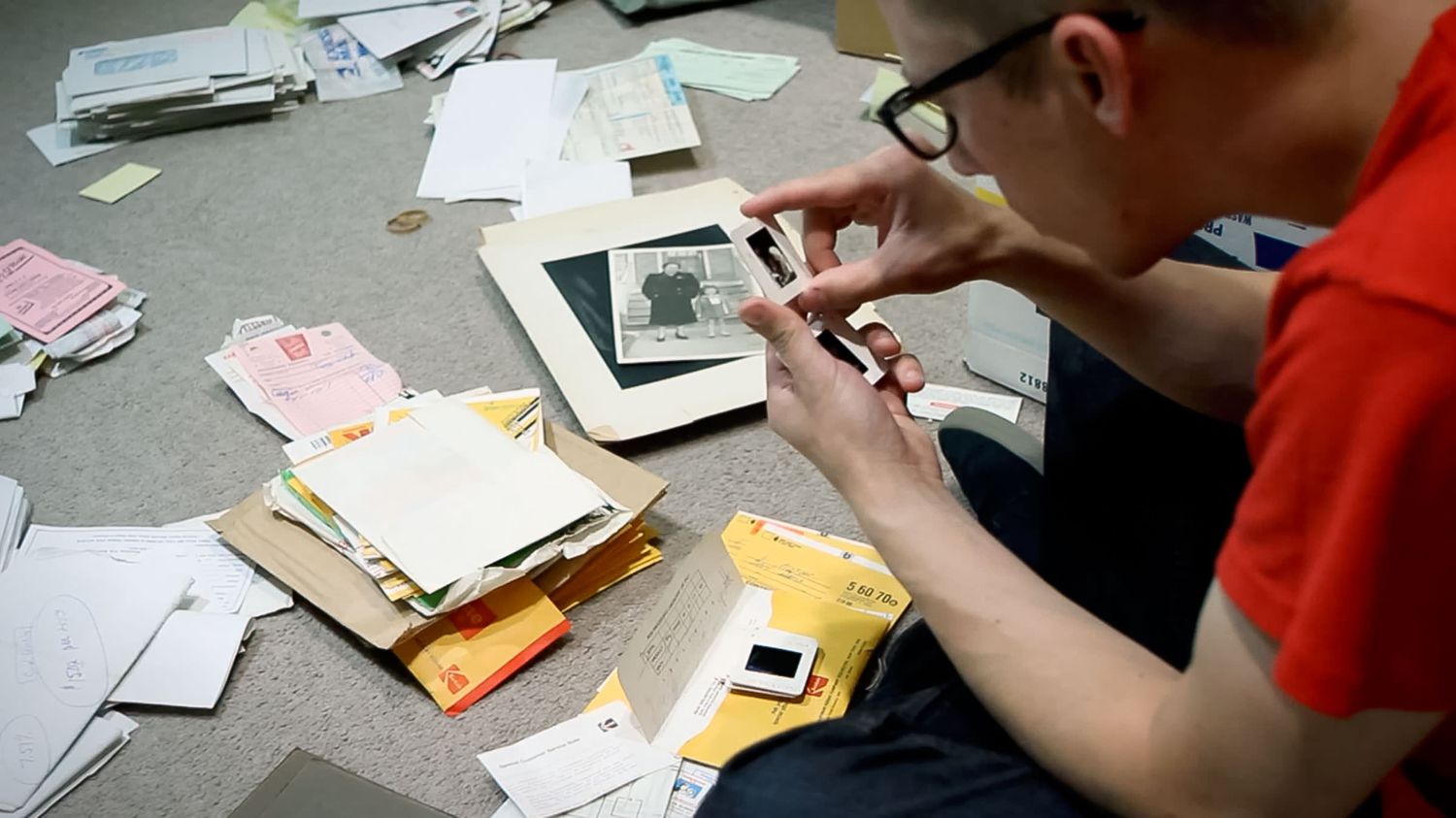
The story begins when historian and collector John Maloof purchases a box of negatives at a Chicago auction in 2007. What initially appears to be an ordinary collection gradually reveals itself to be an extraordinary archive containing more than 100,000 photographs.
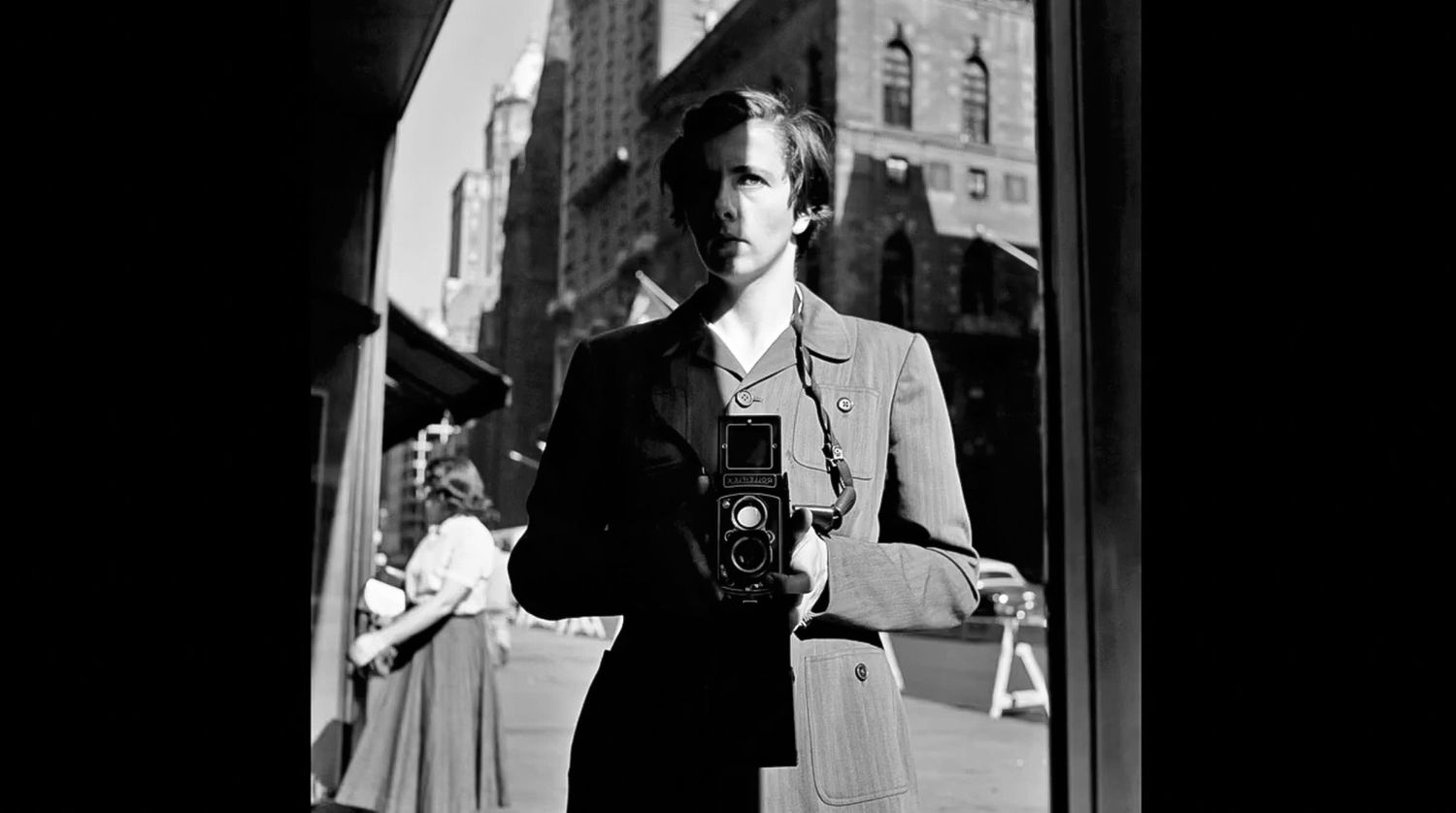
The photographer was Vivian Maier, a woman who spent much of her life working as a nanny while documenting the streets of Chicago, New York and countless other locations. Remarkably, much of her work had never been printed during her lifetime. She died in 2009, largely unknown as a photographer.
As Maloof uncovers more material, the documentary follows his efforts to piece together the life behind the images. Interviews with families she worked for, neighbours and acquaintances reveal a complex, private and often contradictory character. The result is a portrait of a photographer whose artistic achievements are clear, even if her motivations remain elusive.
The power of observation in photography
What makes Vivian Maier's work so compelling is the intensity of her attention.
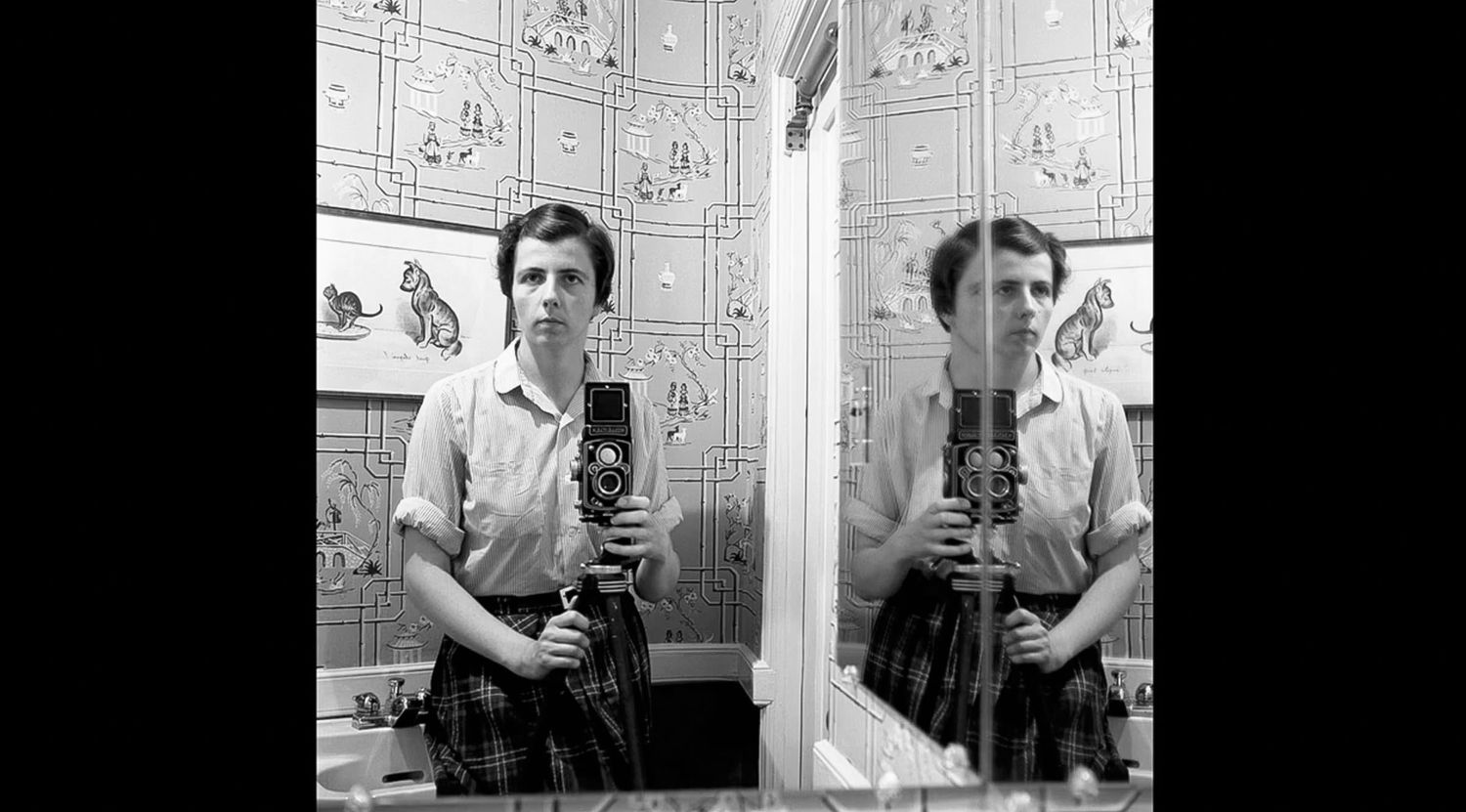
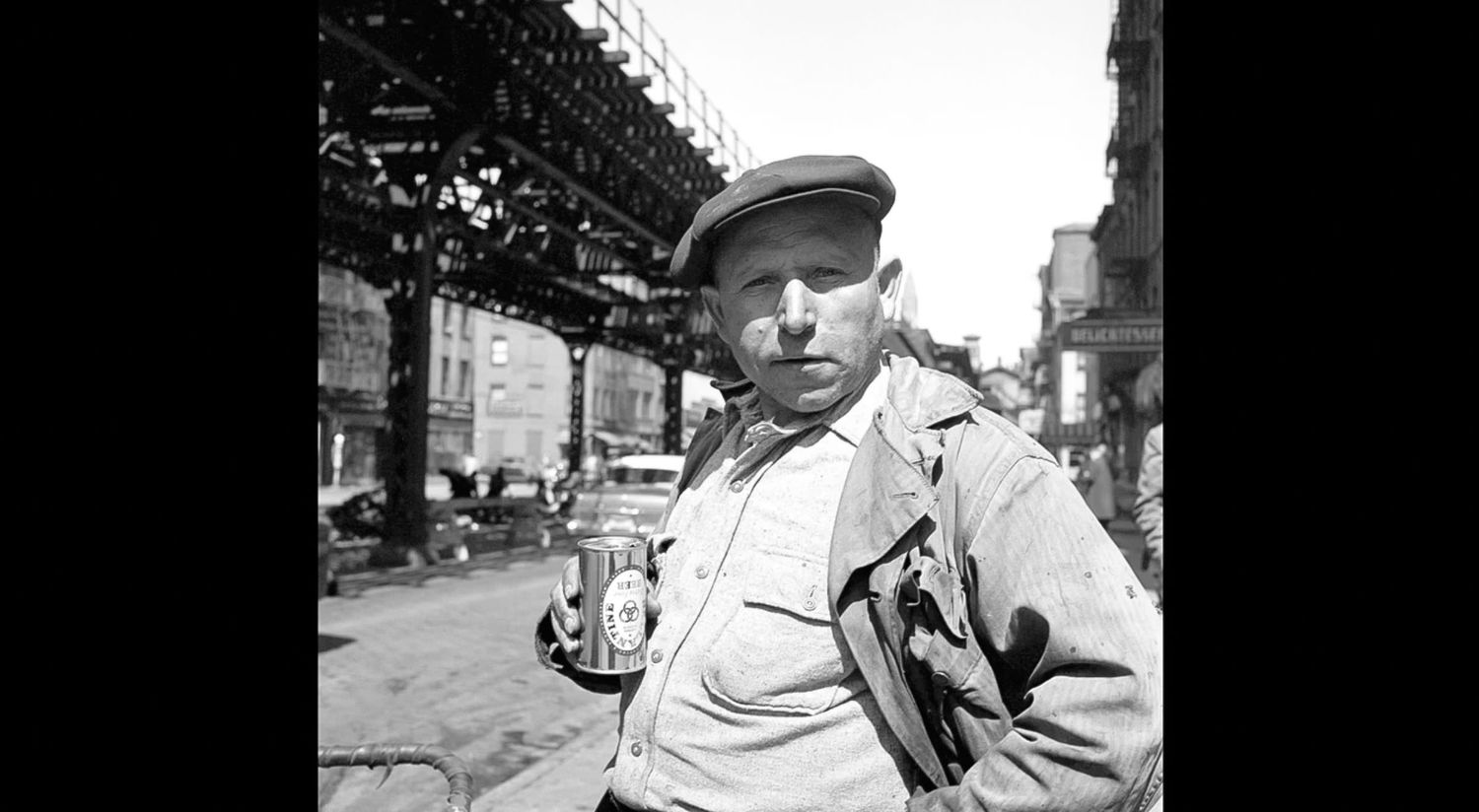
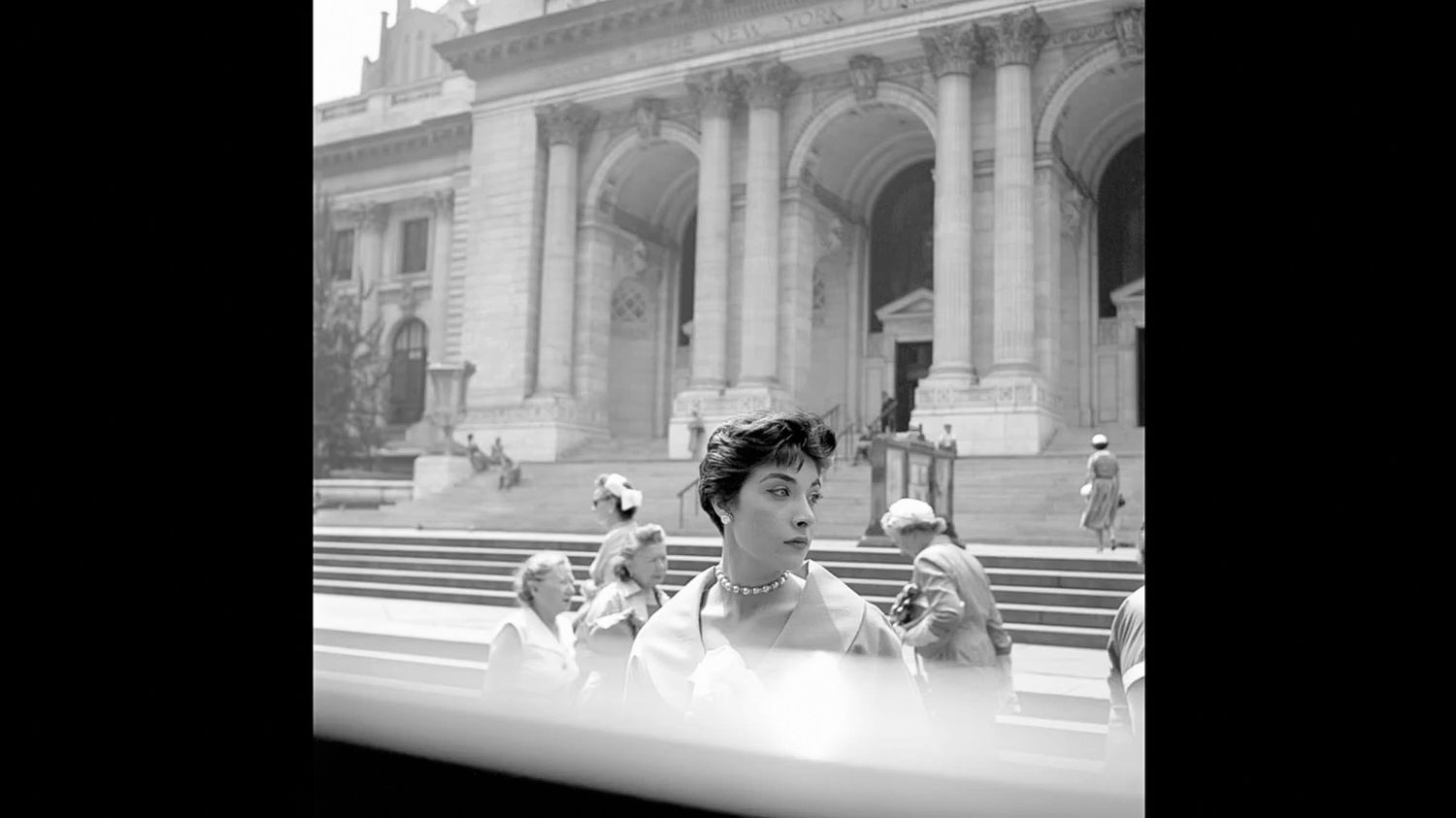
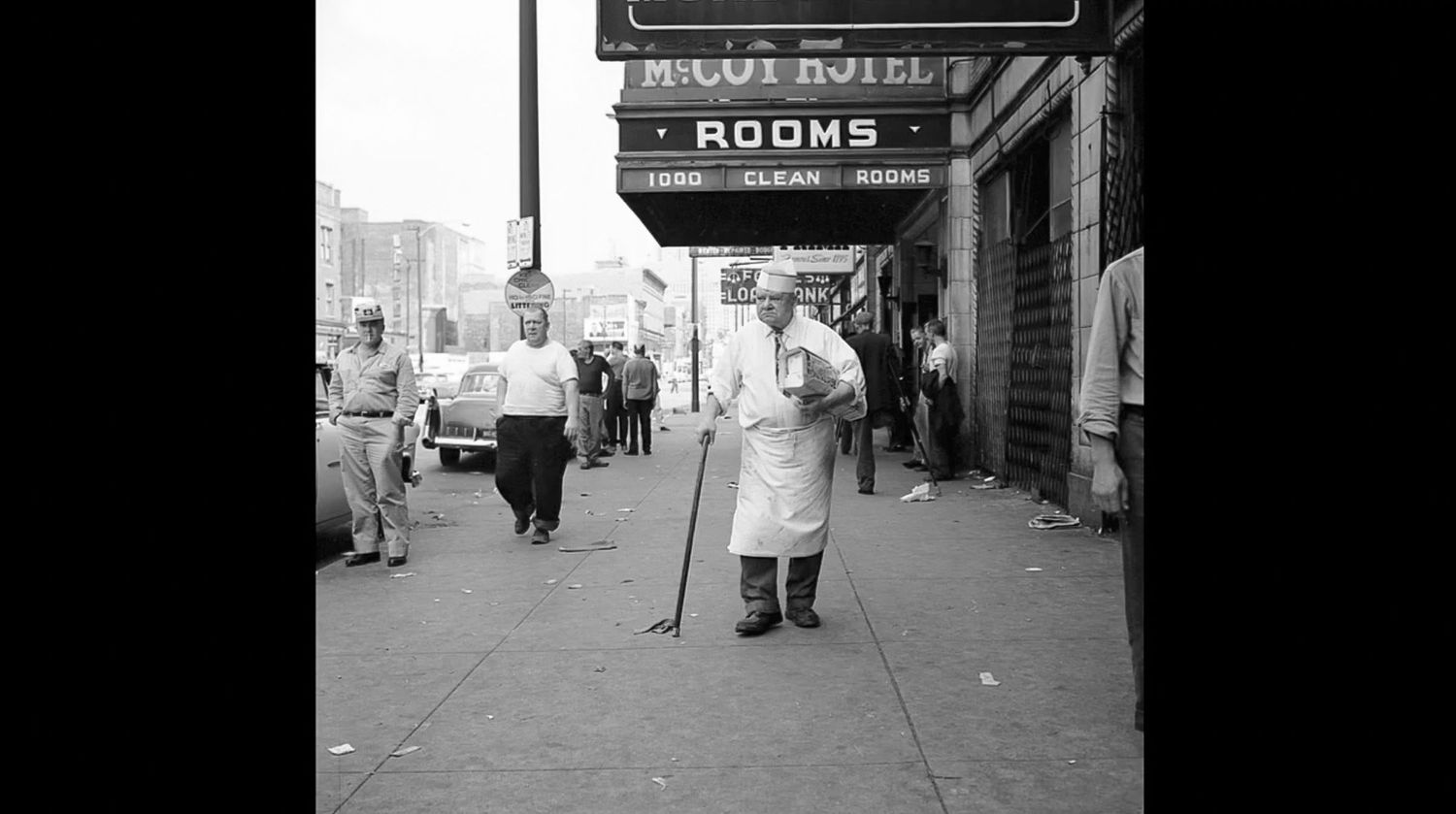
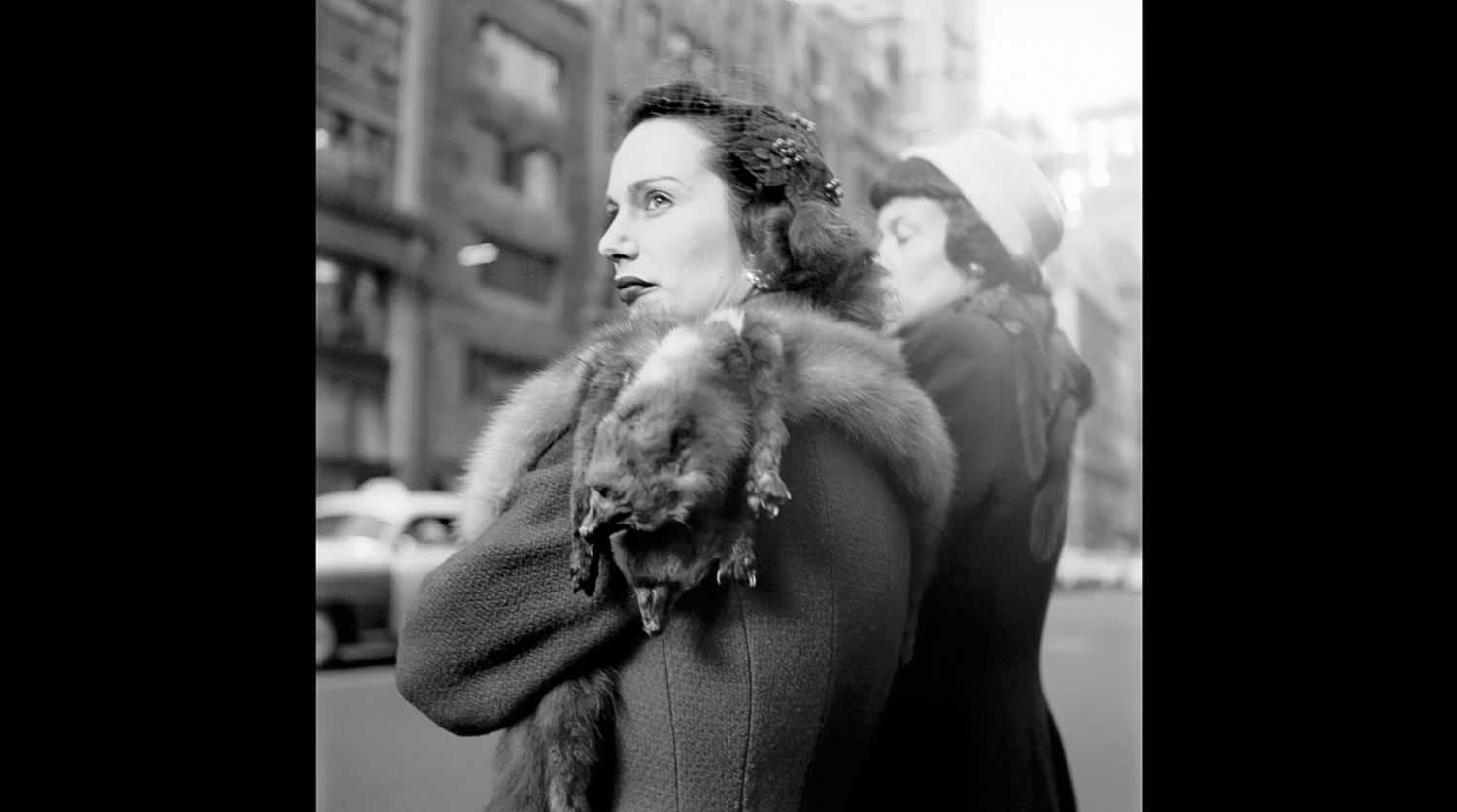
Her photographs are often classified as street photography, but they transcend simple categorisation. They are studies of people inhabiting space: moments of vulnerability, confidence, loneliness, humour and transition captured with extraordinary sensitivity.
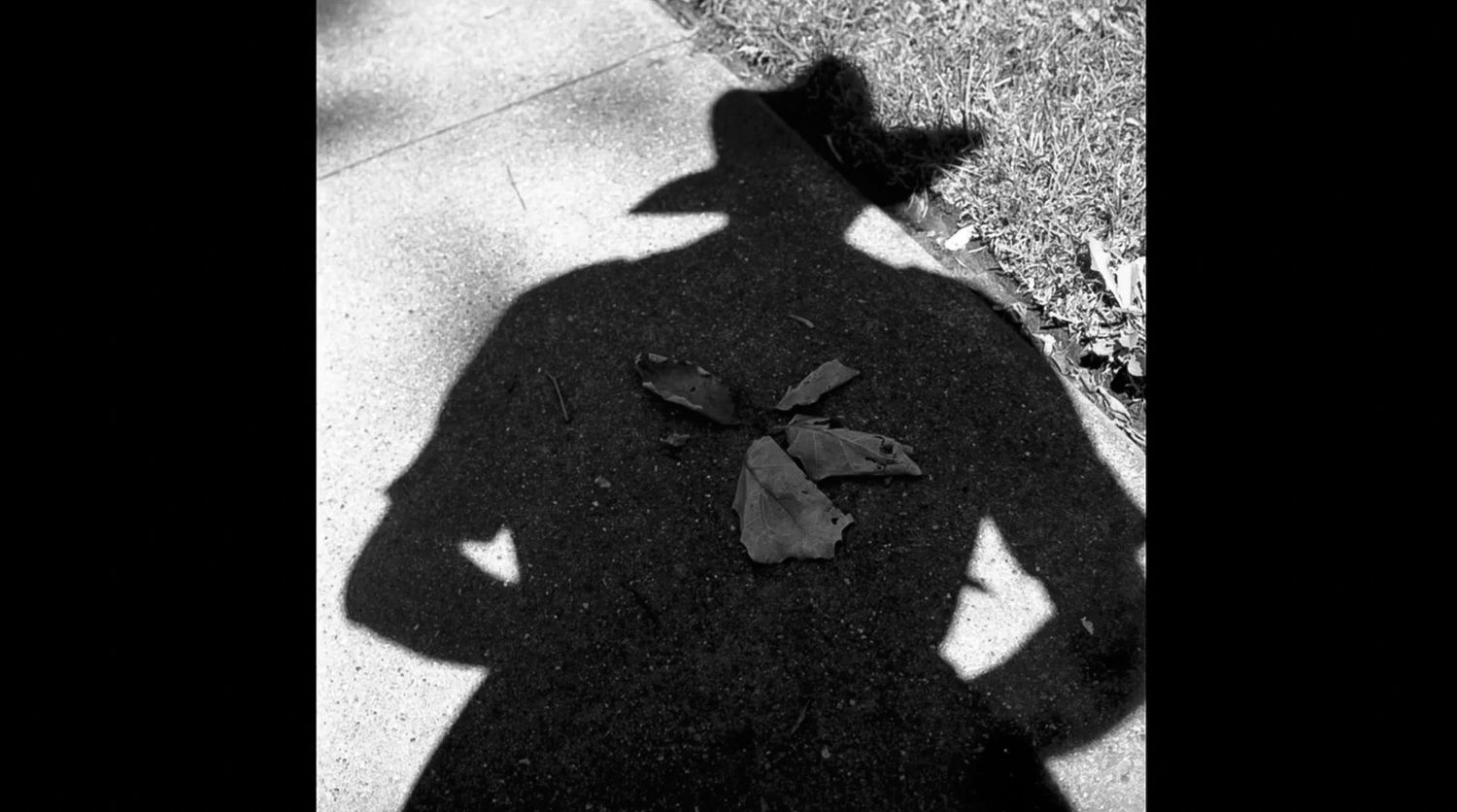
Looking through her images, one becomes aware of her instinctive understanding of composition. Figures appear precisely placed within the frame. Reflections multiply perspectives. Light and shadow create drama. Architecture becomes both backdrop and participant.
For architectural photographers, this aspect of Maier's work is particularly fascinating.
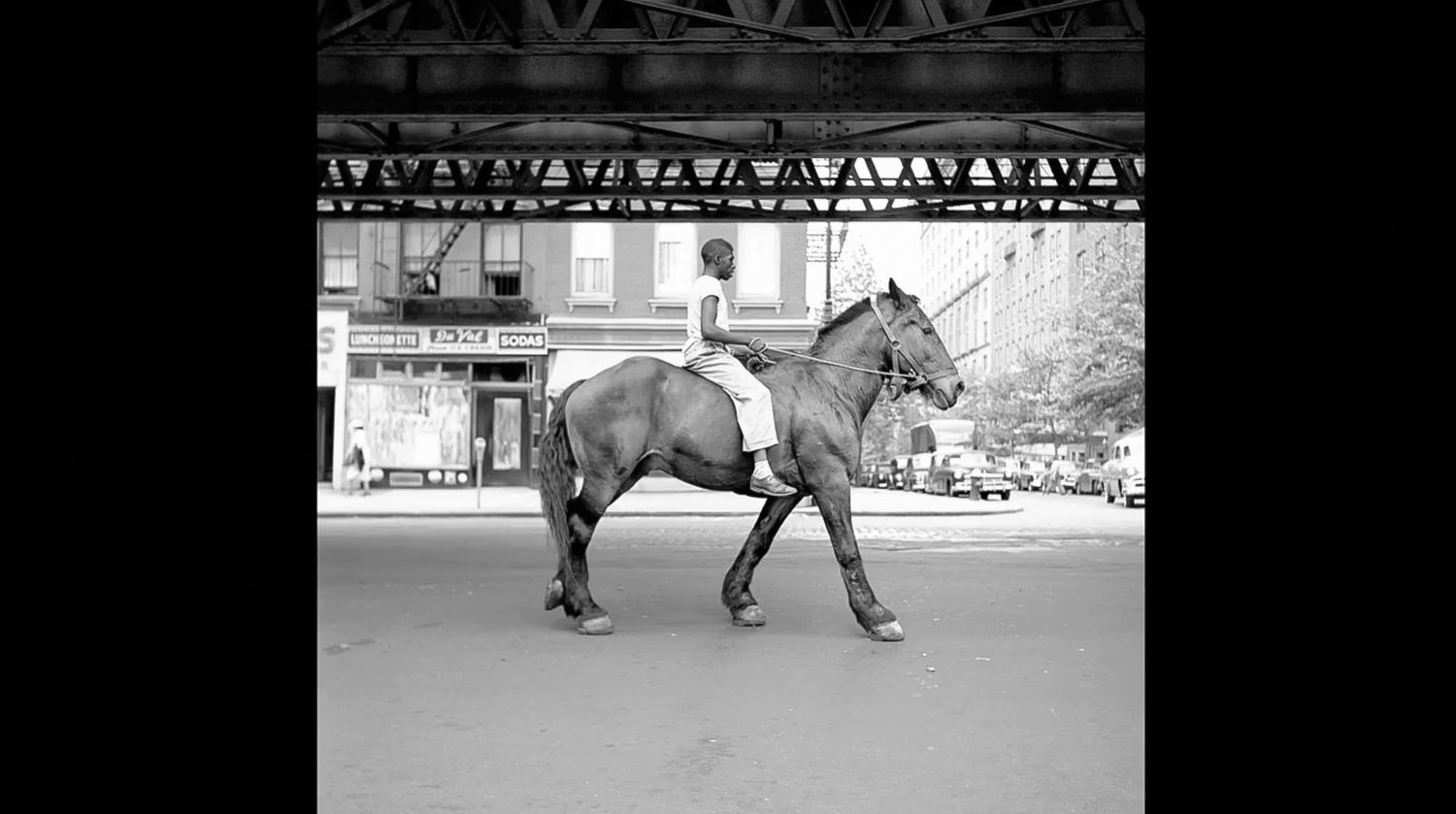
Buildings in her photographs are rarely the subject in isolation. Instead, they provide context and structure for human stories. Streets, façades, windows and urban geometry create visual frameworks that guide the eye through the image. Her photographs remind us that architecture and human behaviour can never be fully separated. One shapes the experience of the other.
Photography beyond commission
At Fotohaus, much of our work involves responding to briefs, clients and commercial objectives. Architectural photography is often tasked with communicating the vision of an architect, developer or cultural institution.
Maier's photographs operate at the opposite end of the spectrum.
There was no client. No publication deadline. No social media audience. No portfolio review.
She photographed because she felt compelled to document the world around her.
That freedom is one of the reasons her images retain such freshness today. They are driven entirely by curiosity rather than expectation.
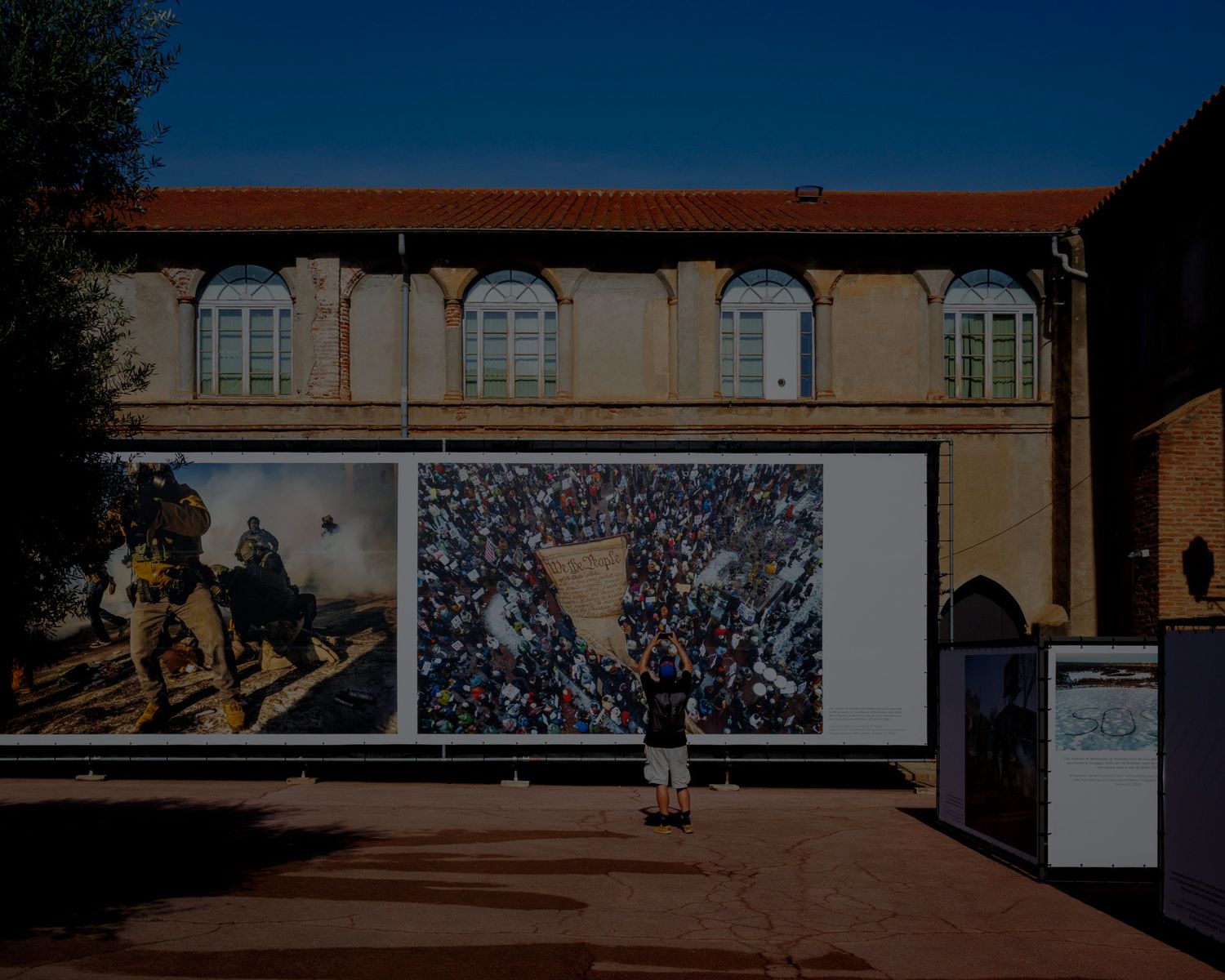
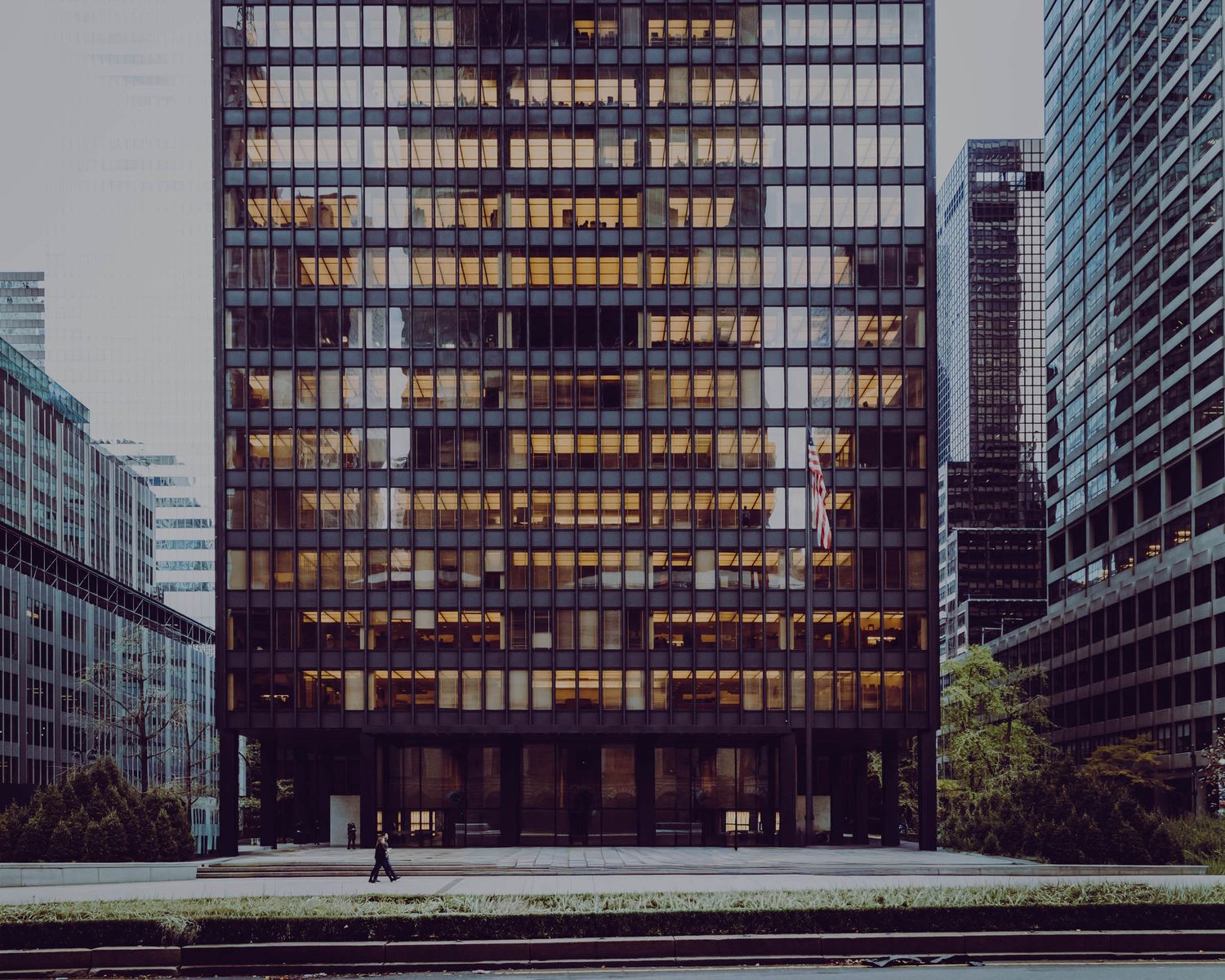
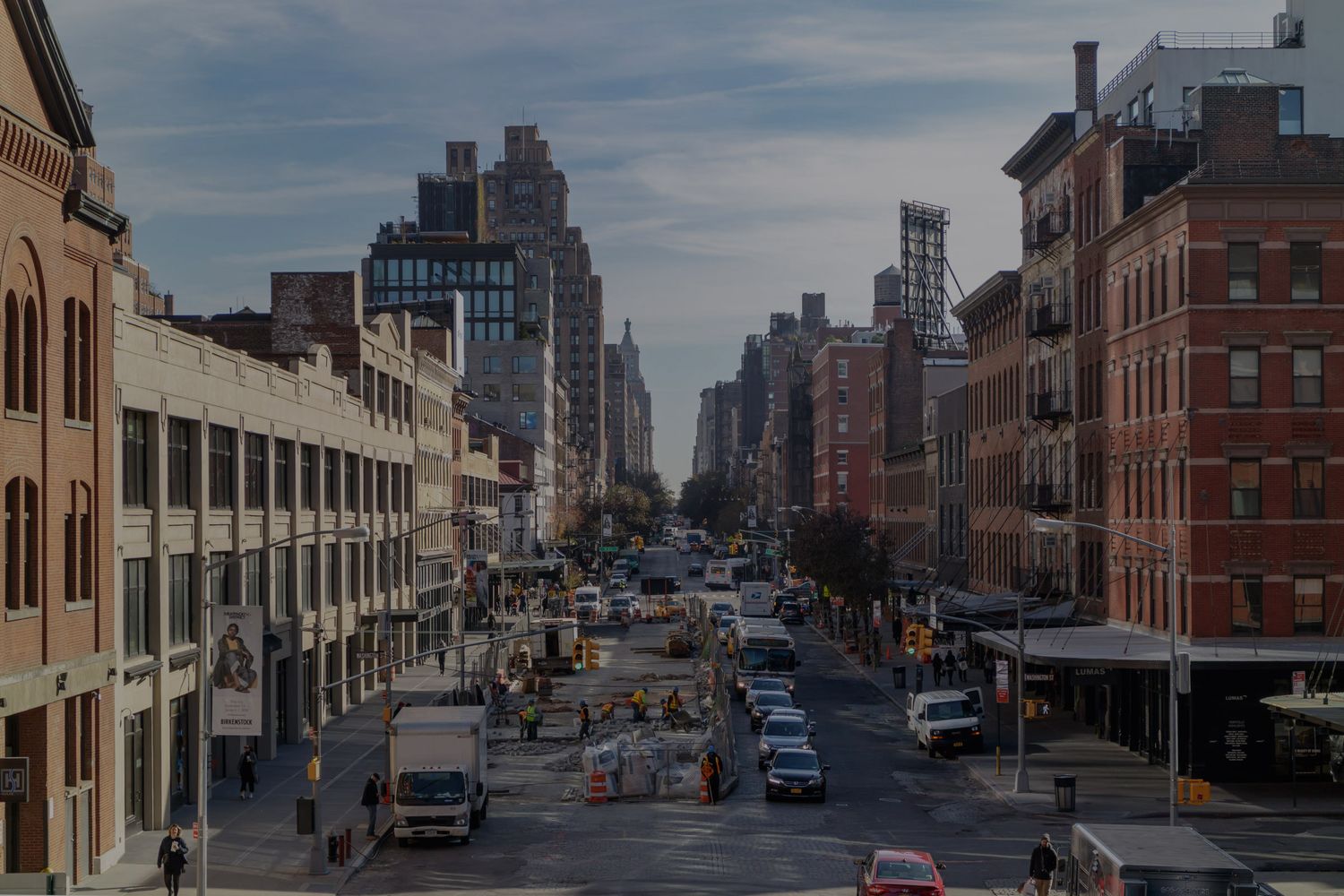
At Fotohaus, we recognise the importance of maintaining that same spirit of exploration alongside our commissioned work. We actively produce personal work throughout the year as a way of engaging with our surroundings and developing our visual approach. These projects are not always strictly architectural, but they frequently feature cityscapes, urban landscapes and man-made structures. They give us the freedom to experiment, observe and discover new perspectives that often inform our commercial architectural photography.
For professional photographers, Finding Vivian Maier serves as a powerful reminder of the importance of personal projects. Commercial commissions develop technical expertise and visual discipline, but personal work sustains the habits of observation and curiosity that often lead to the most meaningful imagery.
The strongest architectural photographs frequently emerge from this same mindset. They ask not simply what a building looks like, but how it is experienced, occupied and understood.
What architectural photographers can learn from Vivian Maier
One of the film's most valuable lessons is that photography is rarely only about its apparent subject.
Although Maier's photographs focus on people, they are inseparable from the environments in which they were made. The city becomes a stage, with architecture defining movement, scale, light and atmosphere.
Architectural photographers face a similar challenge. Even when creating images of an empty building, the most memorable photographs often suggest an invisible human presence. A staircase implies movement. A doorway suggests arrival and departure. A carefully framed window hints at a relationship between interior and exterior space.
The strongest images reveal a connection between people and place, whether or not a person is physically present within the frame.
Maier understood this intuitively. Her photographs demonstrate how observing everyday life can deepen our understanding of the built environment and improve the way we photograph architecture.
Why Finding Vivian Maier remains relevant today
Perhaps the most intriguing aspect of Finding Vivian Maier is its refusal to provide easy answers.
Despite the vast quantity of photographs she produced, much of her life remains mysterious. The documentary uncovers fragments rather than certainty. Viewers are left to interpret the relationship between the photographer and her work for themselves.
This ambiguity gives the film lasting power. It is not simply a story about a forgotten photographer. It is a meditation on creativity itself: why we make photographs, who we make them for and whether recognition is ultimately necessary for meaningful work.
In an age of constant online visibility, that question may be more relevant than ever.
Final thoughts: photography, people and the spaces we inhabit
Finding Vivian Maier is essential viewing for anyone interested in photography. Its appeal extends far beyond street photography, offering valuable insights into observation, composition and the relationship between people and the spaces they inhabit.
For architectural photographers, Maier's archive serves as a reminder that buildings are never merely objects. They are settings for human experience, shaping countless unnoticed moments every day.
The documentary encourages us to slow down, look more carefully and remain curious about the ordinary world around us. Those qualities are just as important when photographing a major architectural commission as they are when wandering a city street with a camera and no destination in mind.
Ultimately, Vivian Maier's enduring lesson is a simple one: great photography begins not with being noticed, but with noticing.
About the author
Craig Auckland is founder of Fotohaus, an architectural photographer and filmmaker, and a specialist in documenting architecture, construction and the built environment for clients, publishers and design organisations across the UK and Europe.