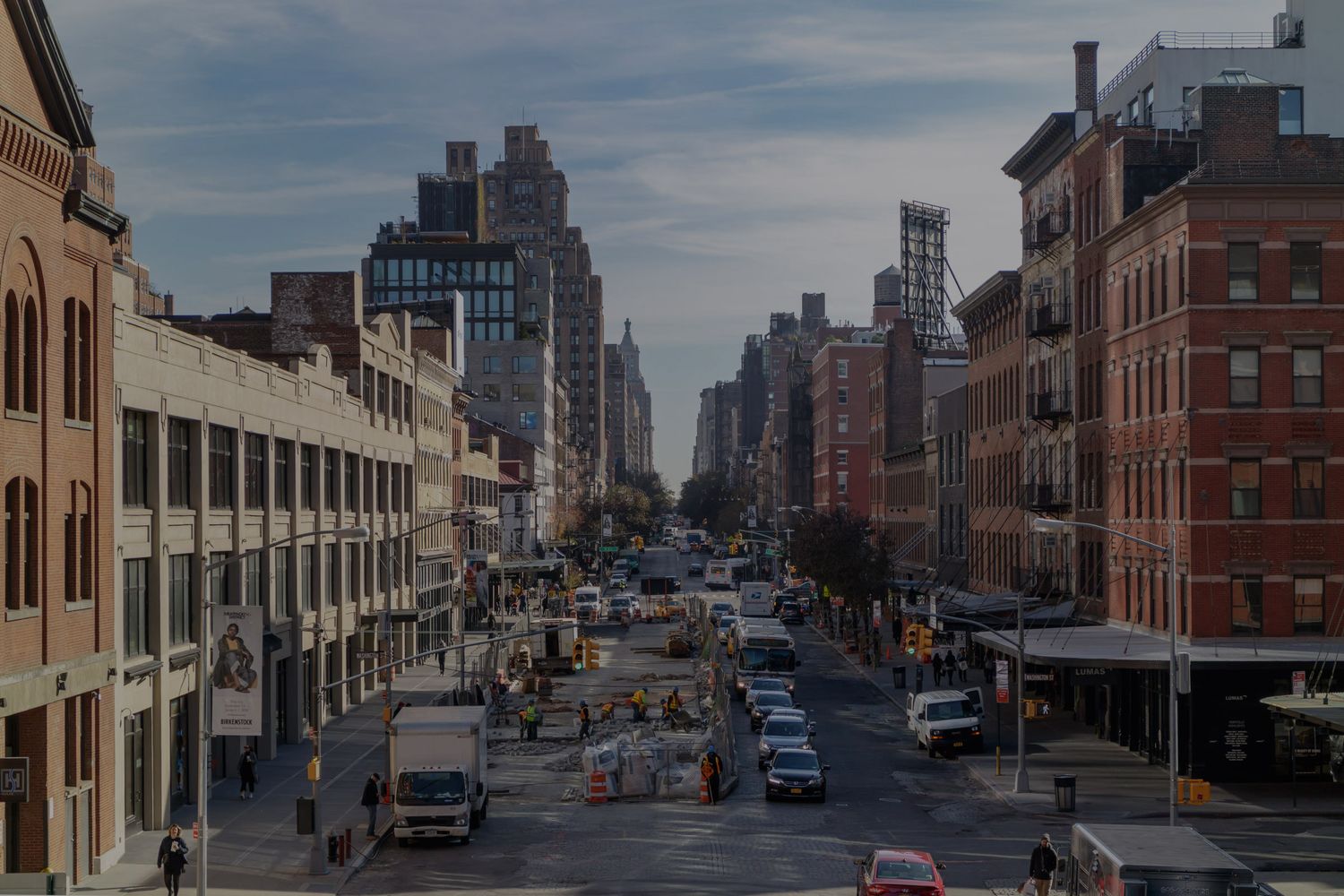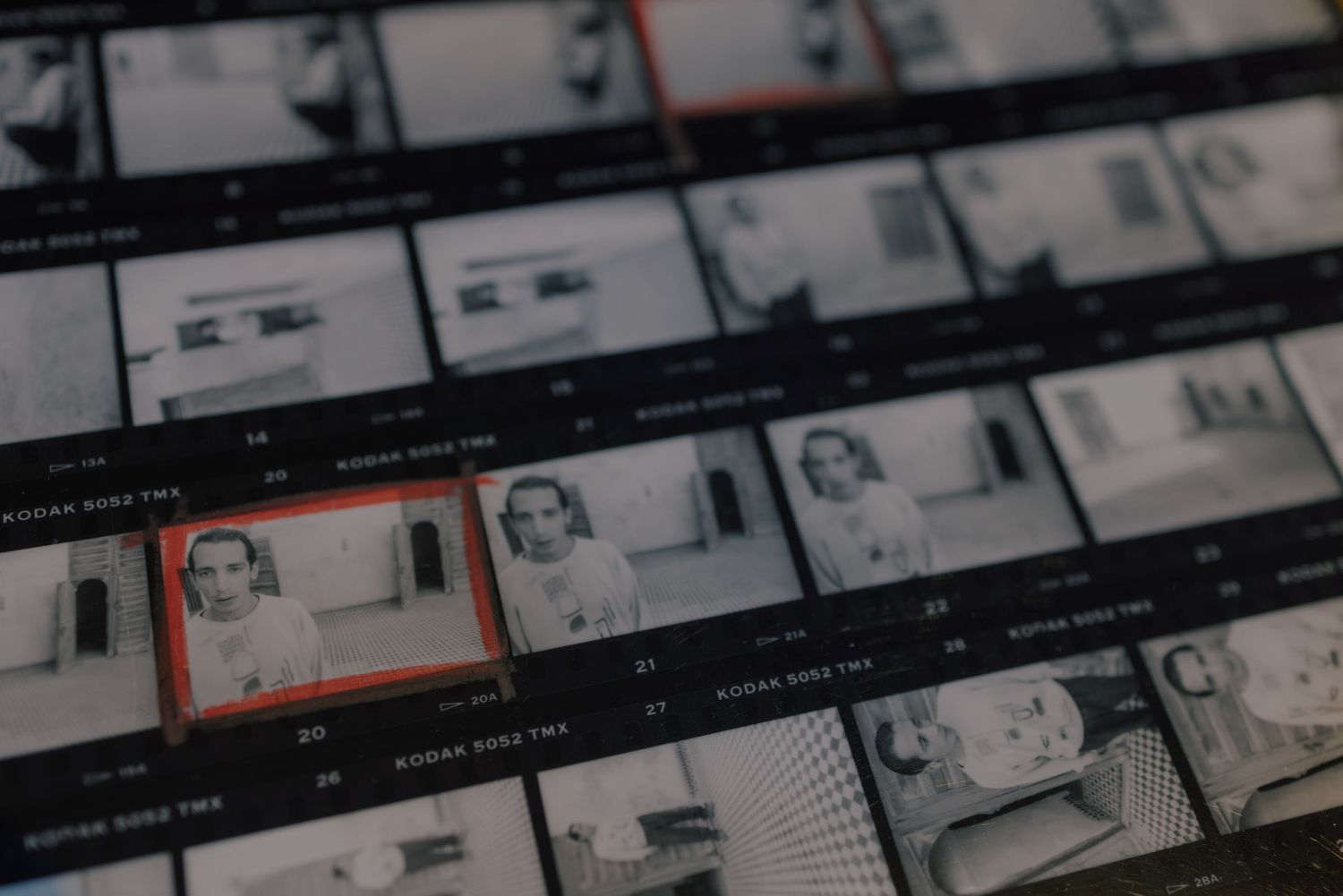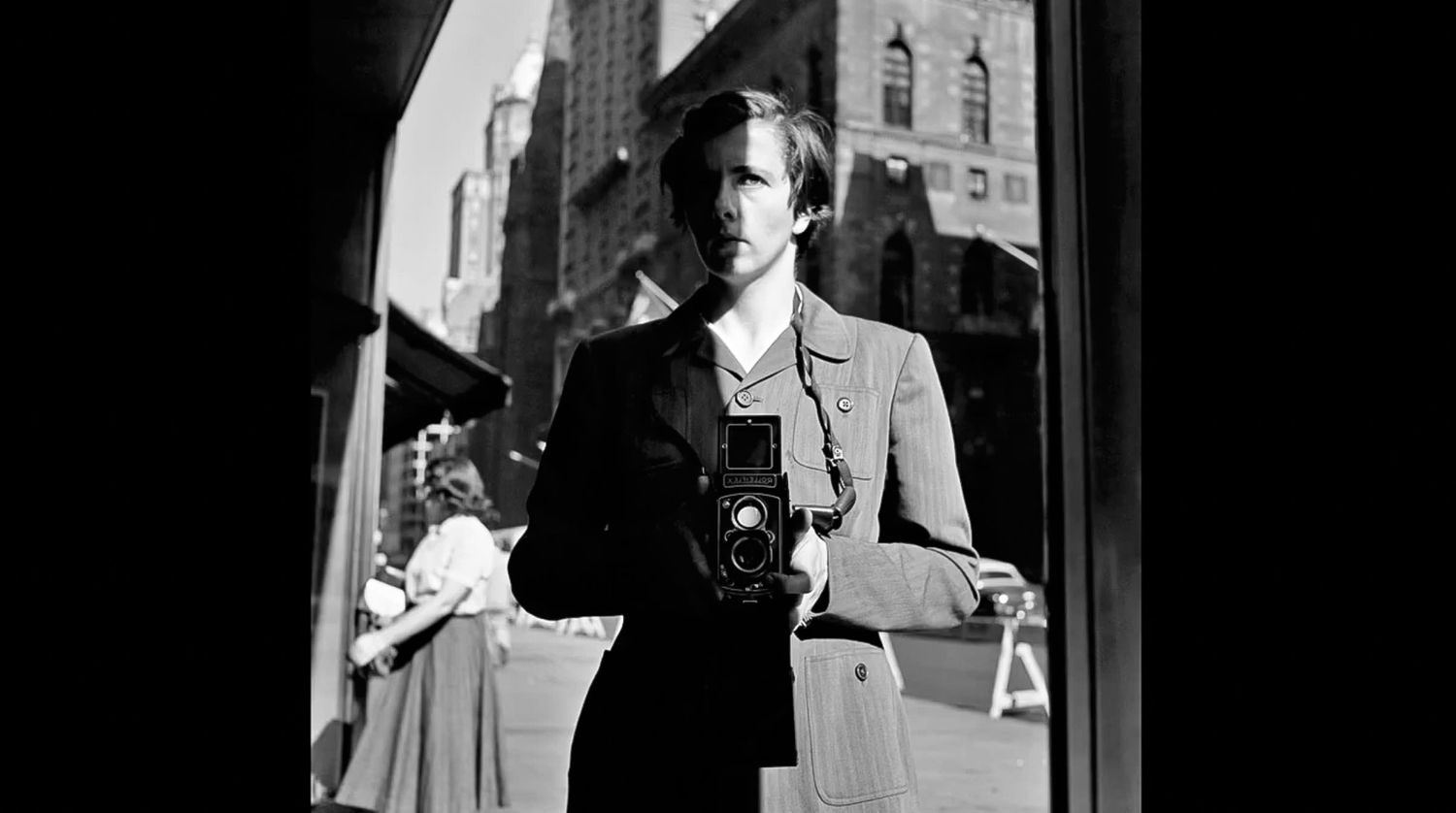
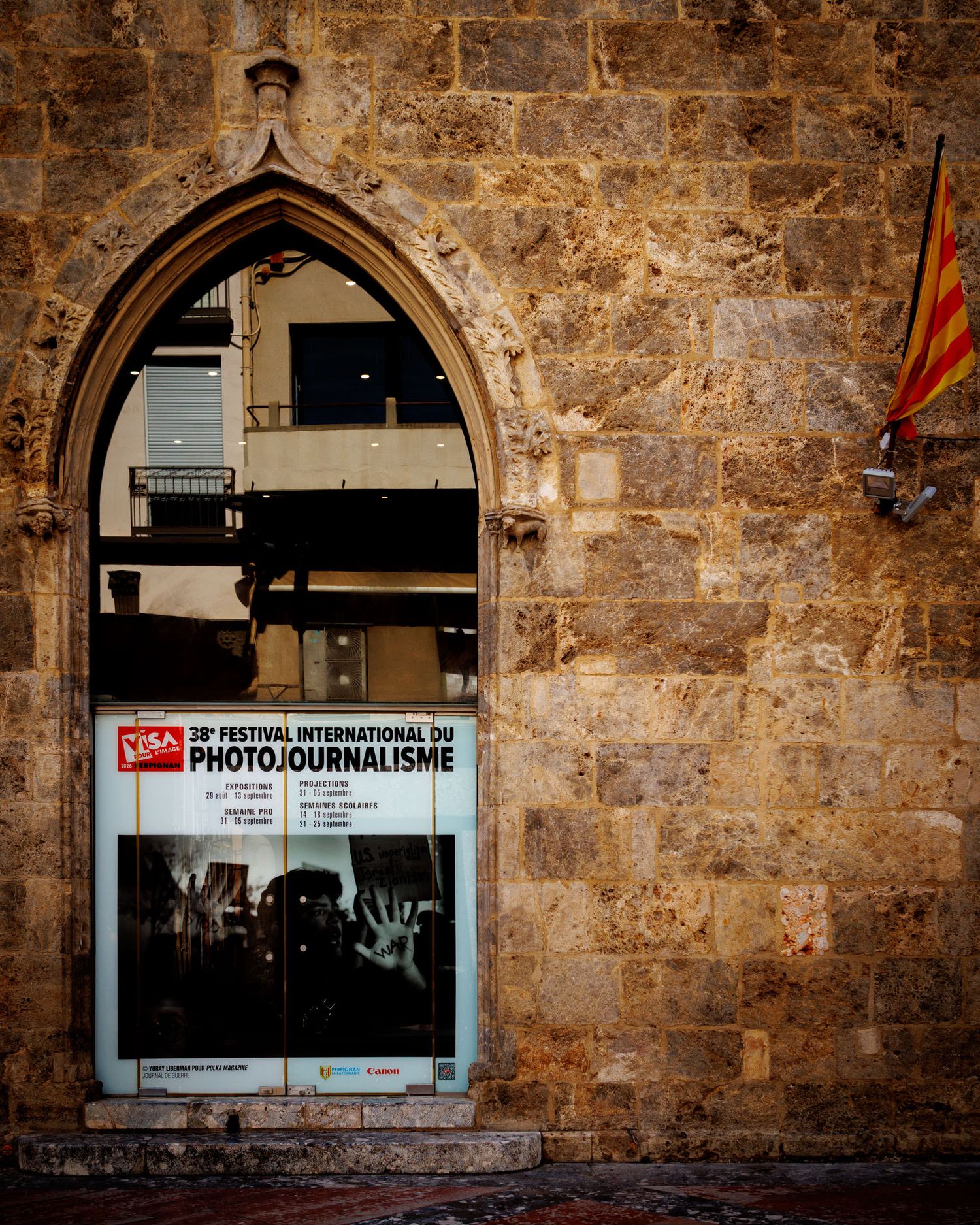
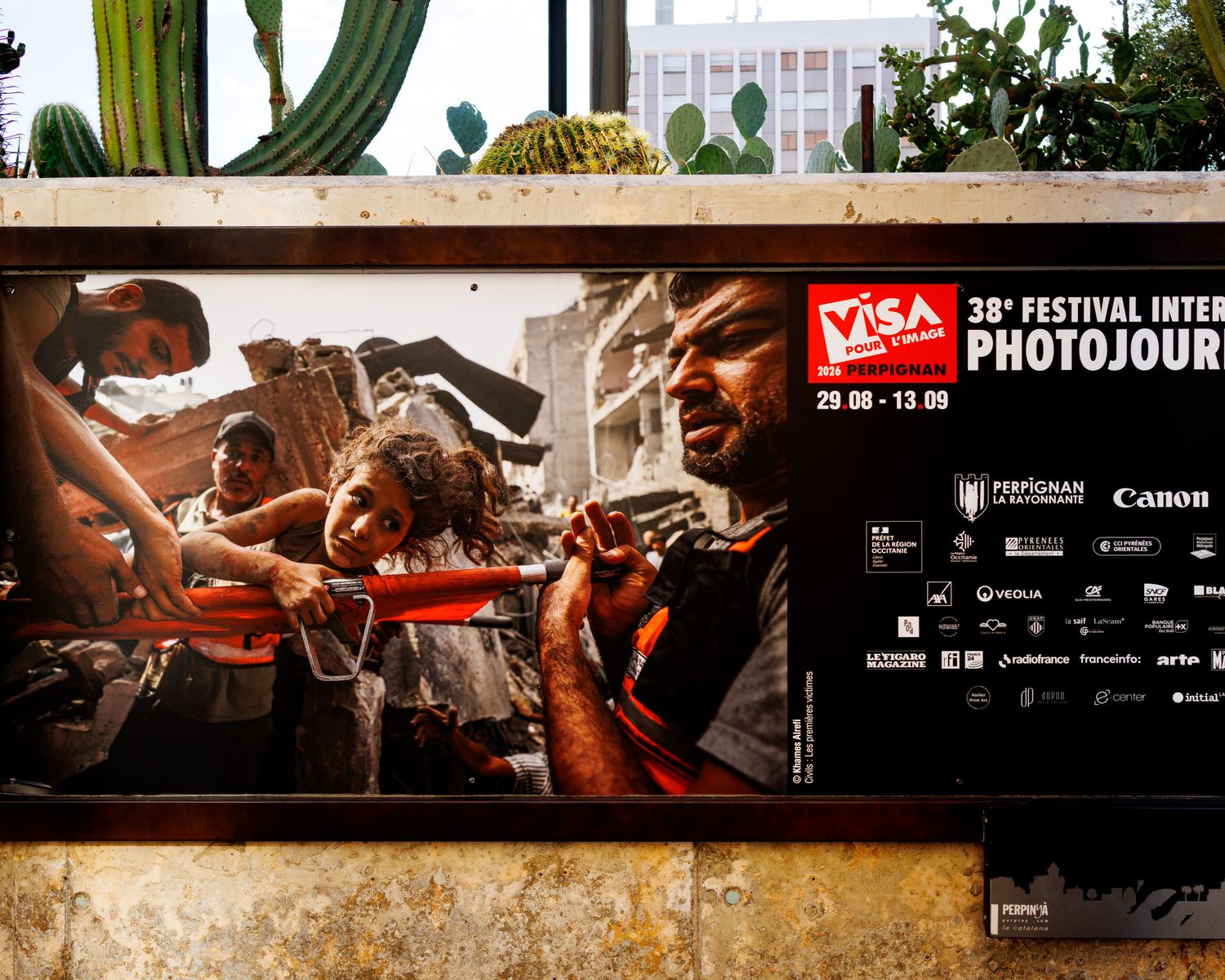
Every September, the historic streets of Perpignan become a meeting point for photographers, editors, journalists and visual storytellers from around the world. For anyone who cares about the power of photography, Visa pour l’Image remains one of the most important festivals on the international calendar. The 38th edition took place from 29 August to 13 September 2026, once again transforming the city into a showcase for the very best in contemporary photojournalism.
Photography That Matters
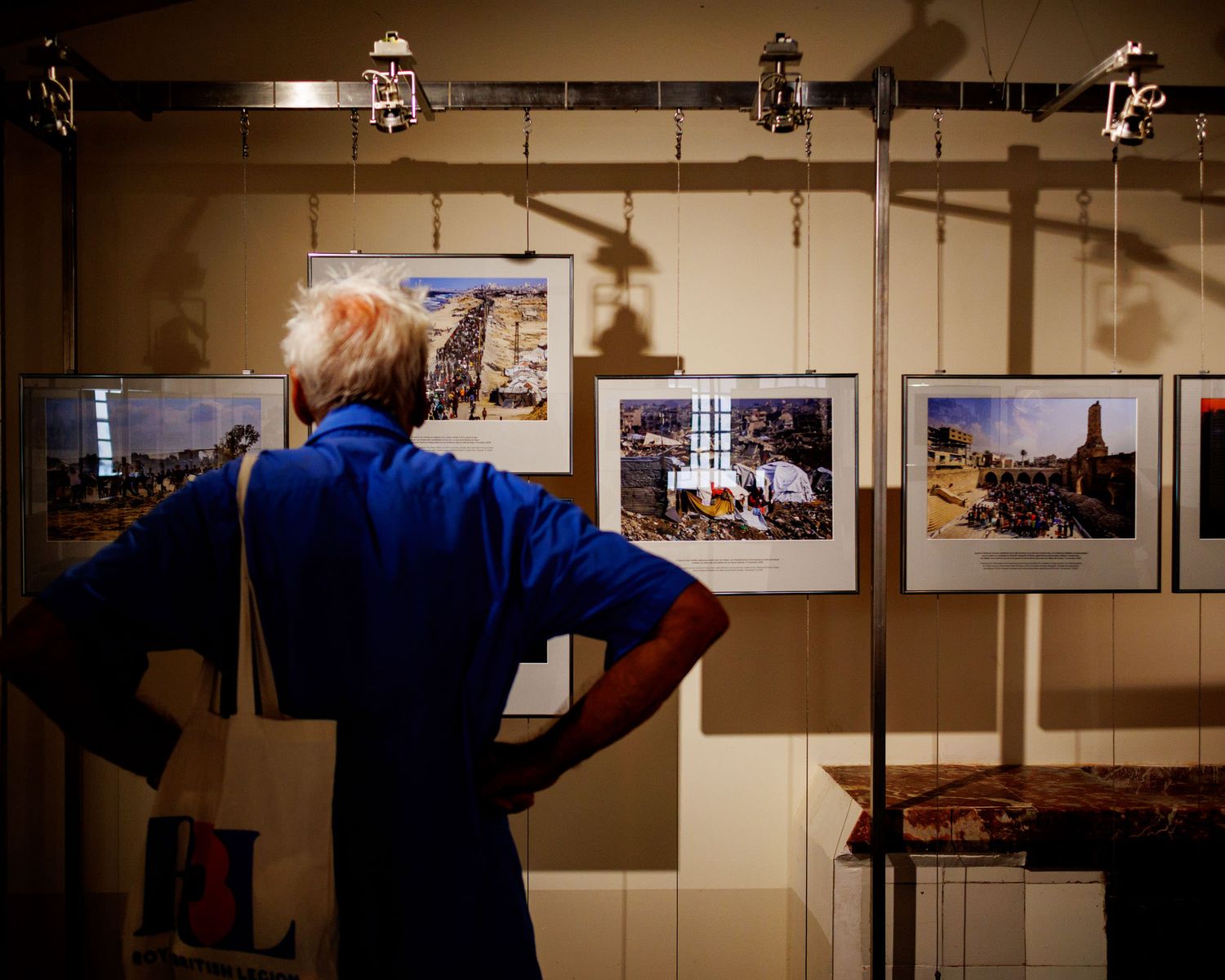
In an age of AI-generated imagery, misinformation and increasingly fragmented media, this year's festival felt especially relevant. Across the exhibitions, screenings and panel discussions, a common theme emerged: the enduring value of photography as a truthful and documented witness to events.
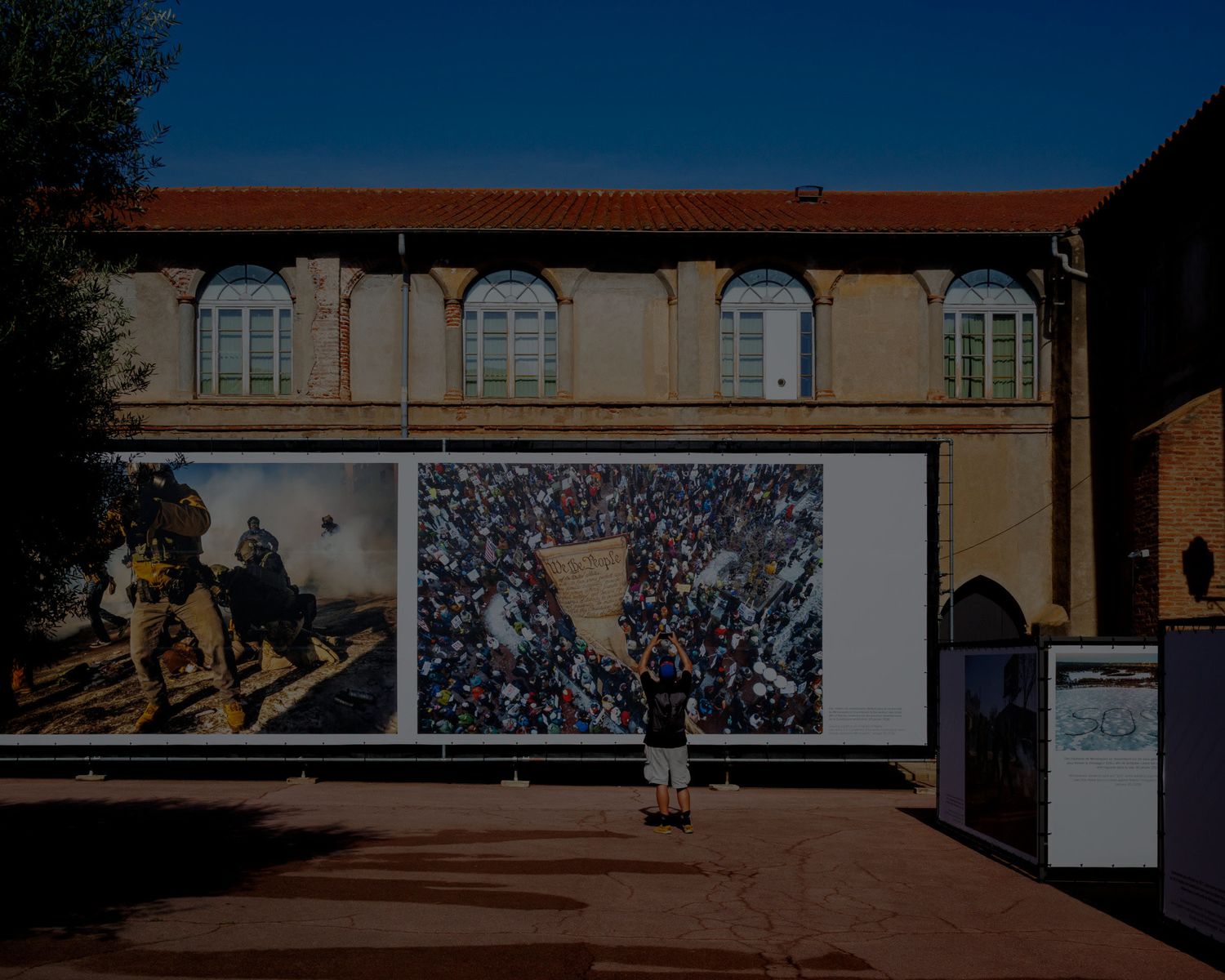
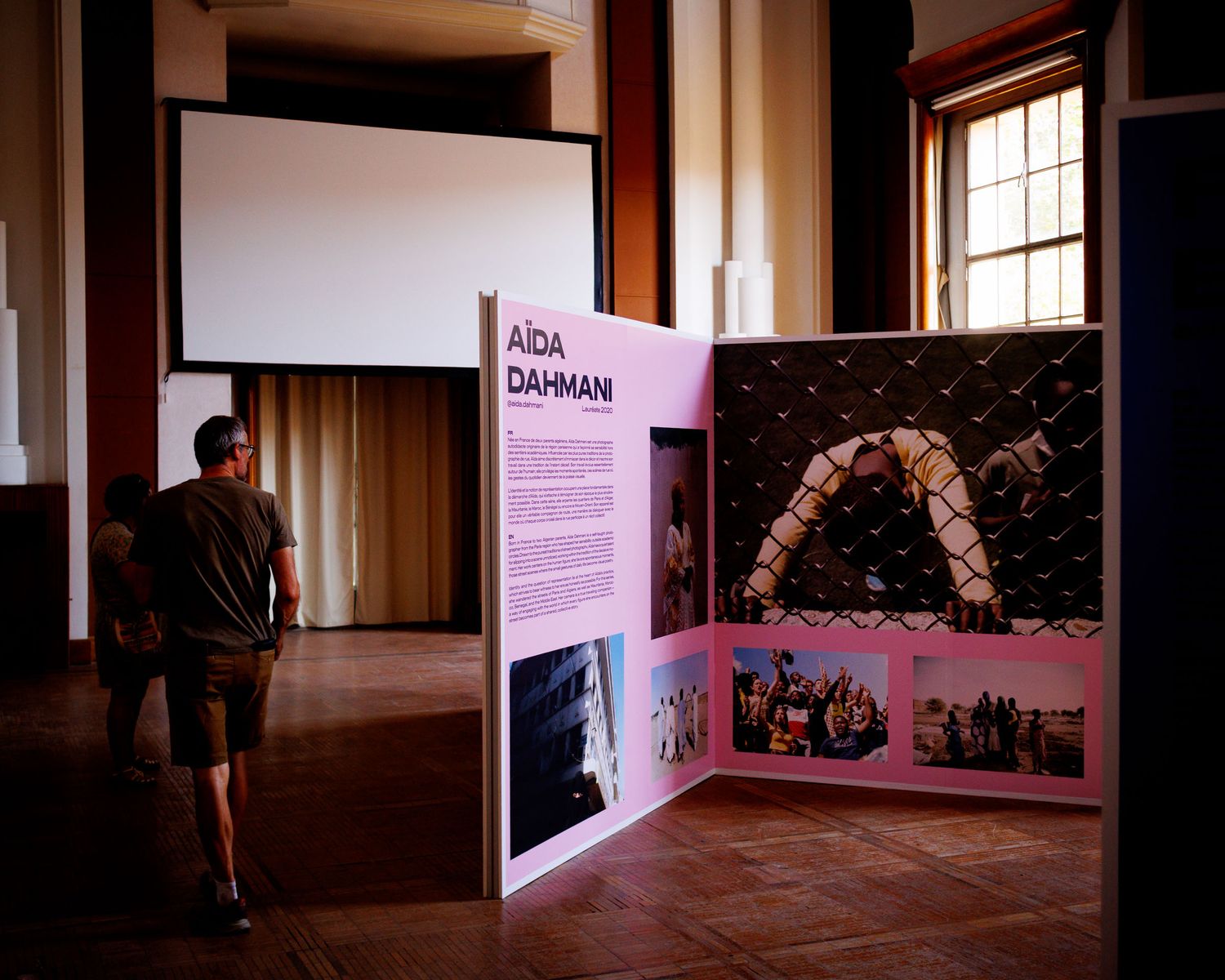
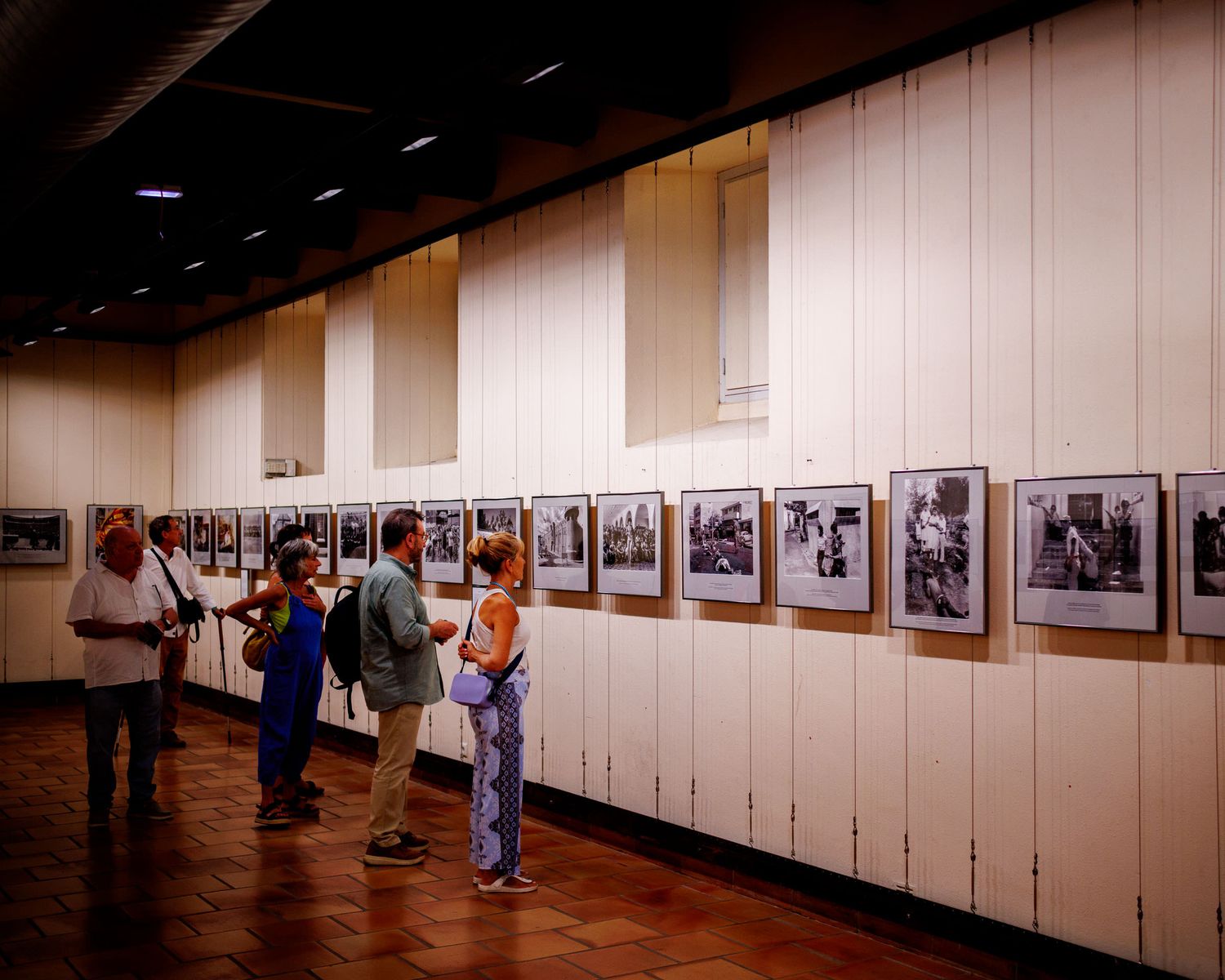
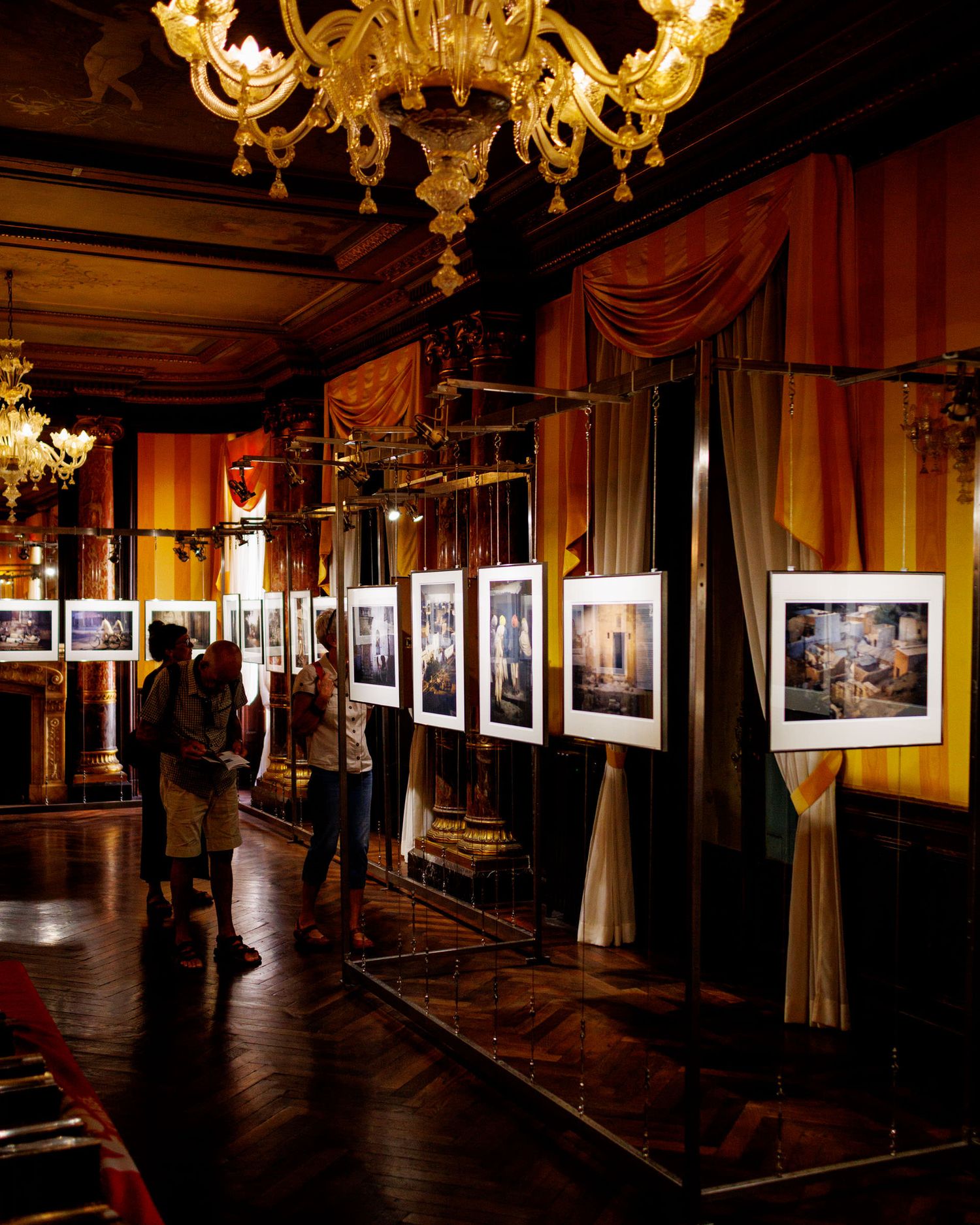
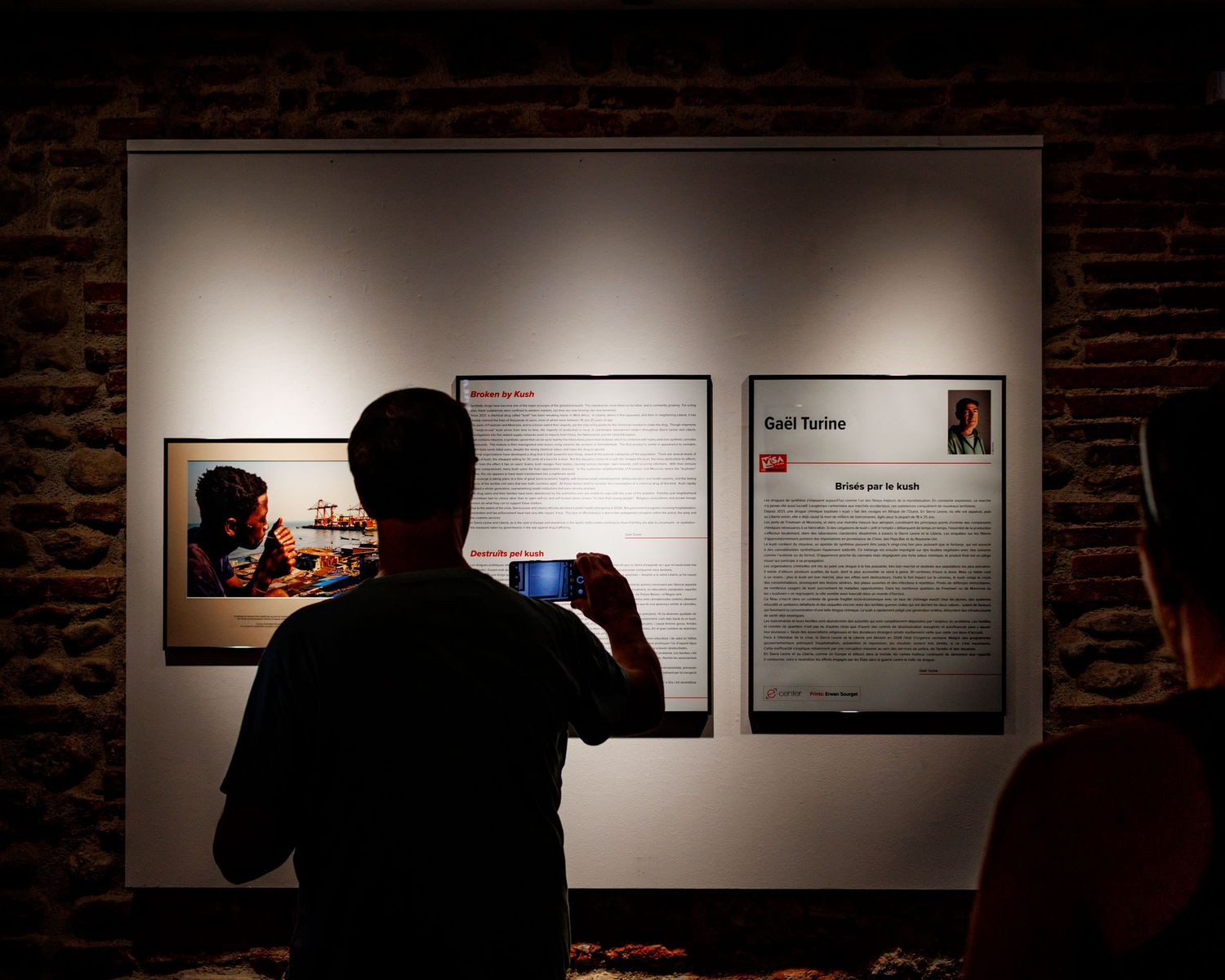
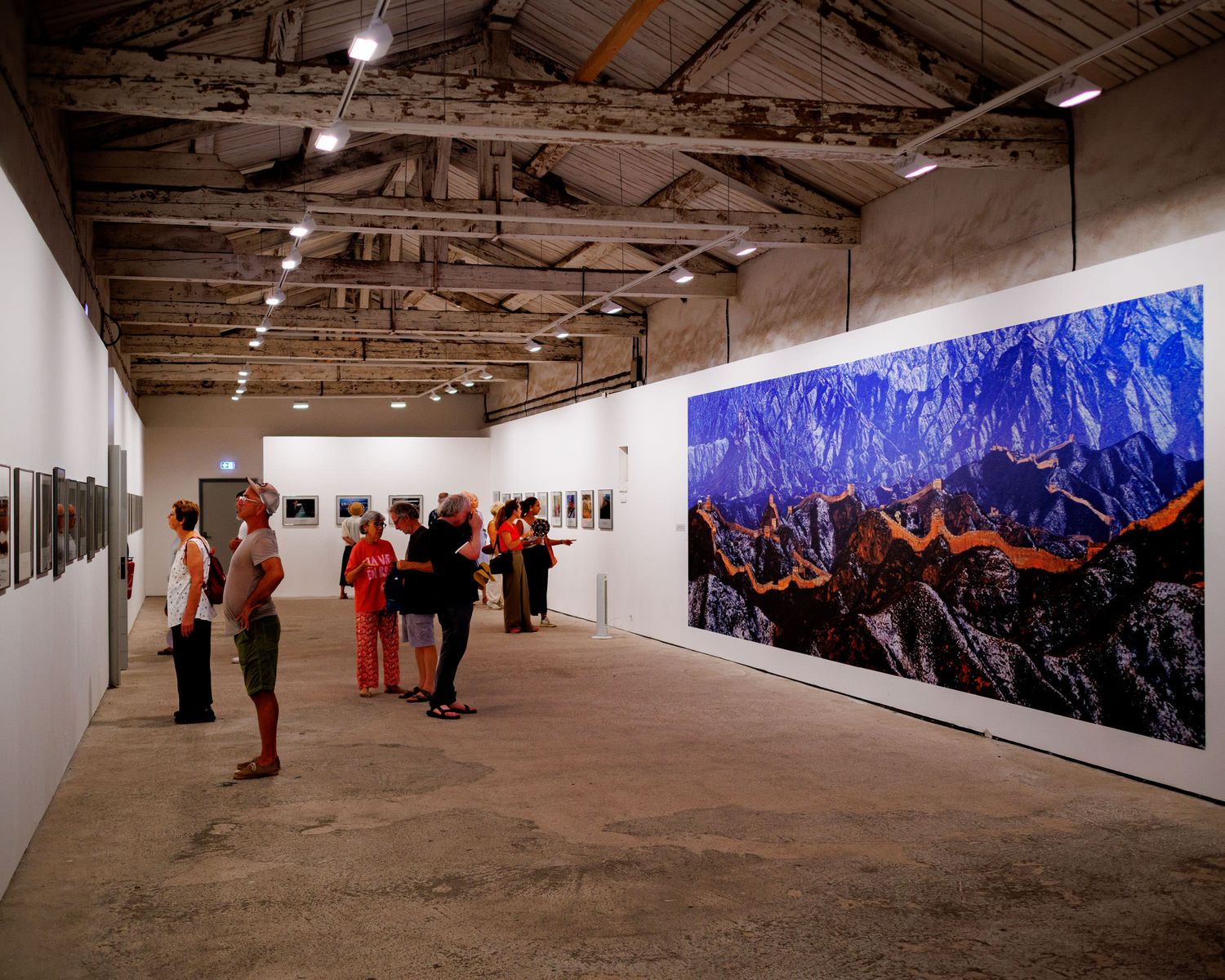
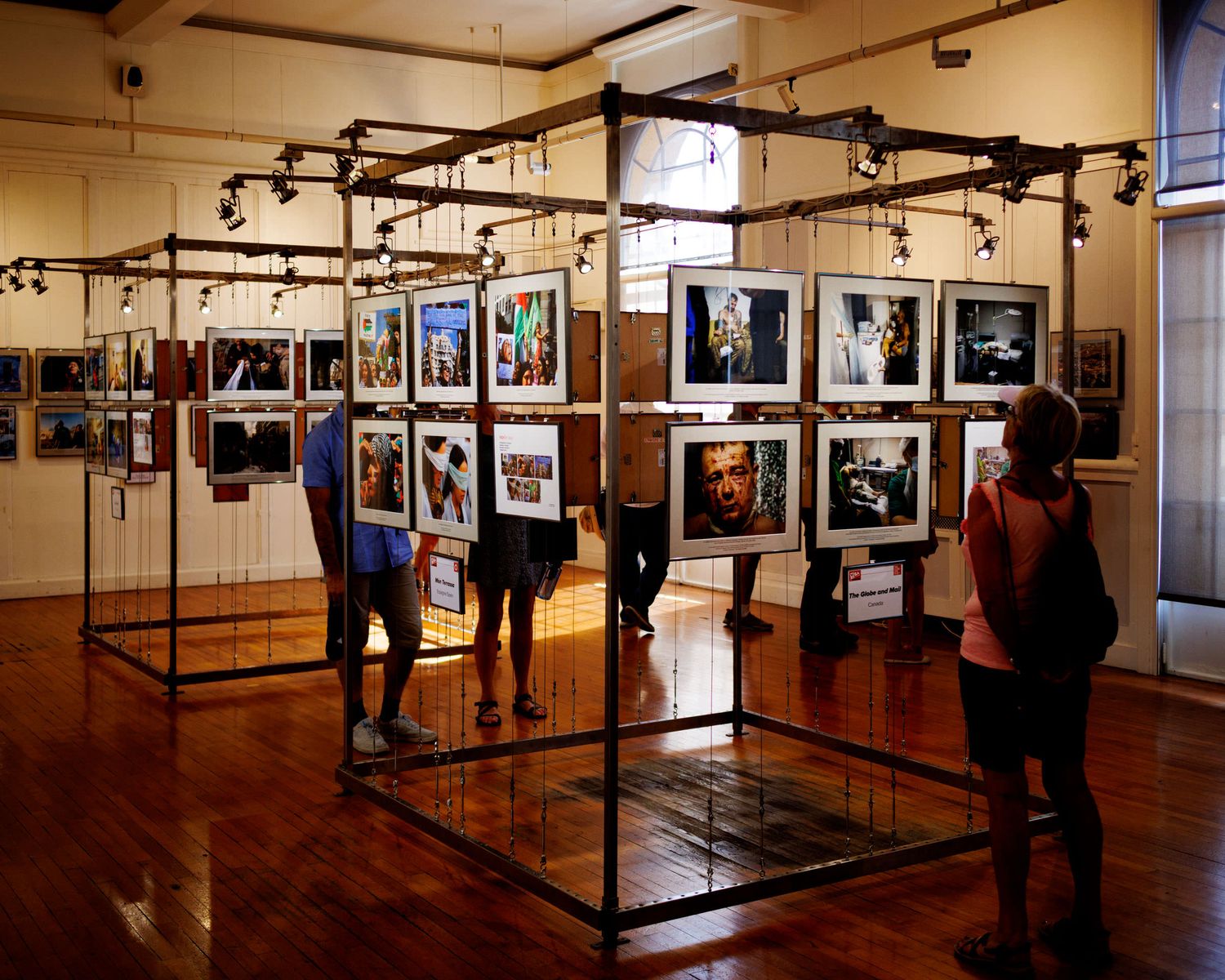
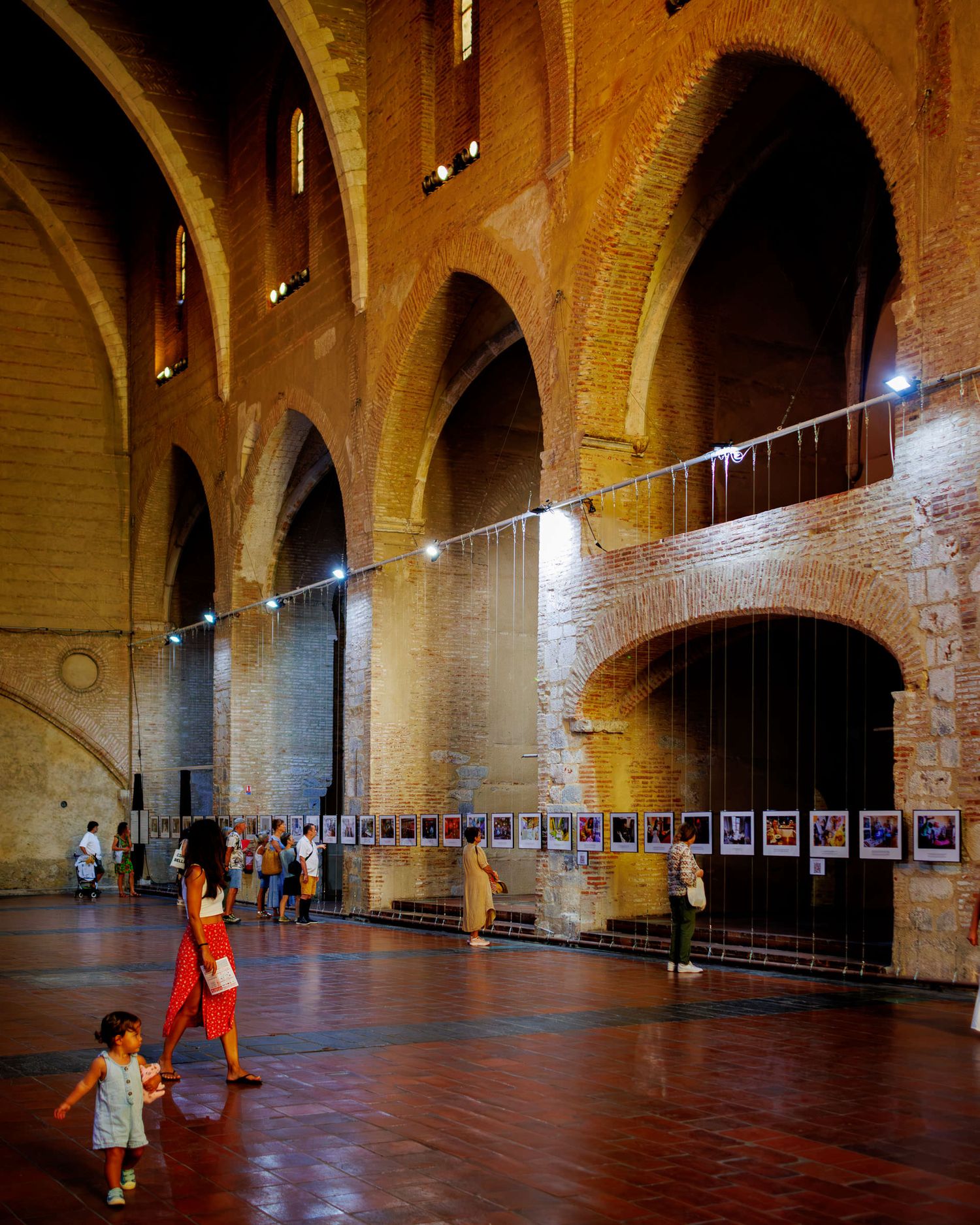
The 2026 programme featured 27 exhibitions spread across Perpignan's historic buildings, including the Couvent des Minimes, Église des Dominicains and Hôtel Pams. The festival's organisers placed a strong emphasis on the role of verified visual journalism in a world awash with synthetic imagery.
For photographers working in architecture, construction and the built environment, the festival provides a timely reminder that every photograph is more than a record. The strongest images communicate context, reveal human stories and encourage us to look more carefully at the world around us.
The Magic of Perpignan
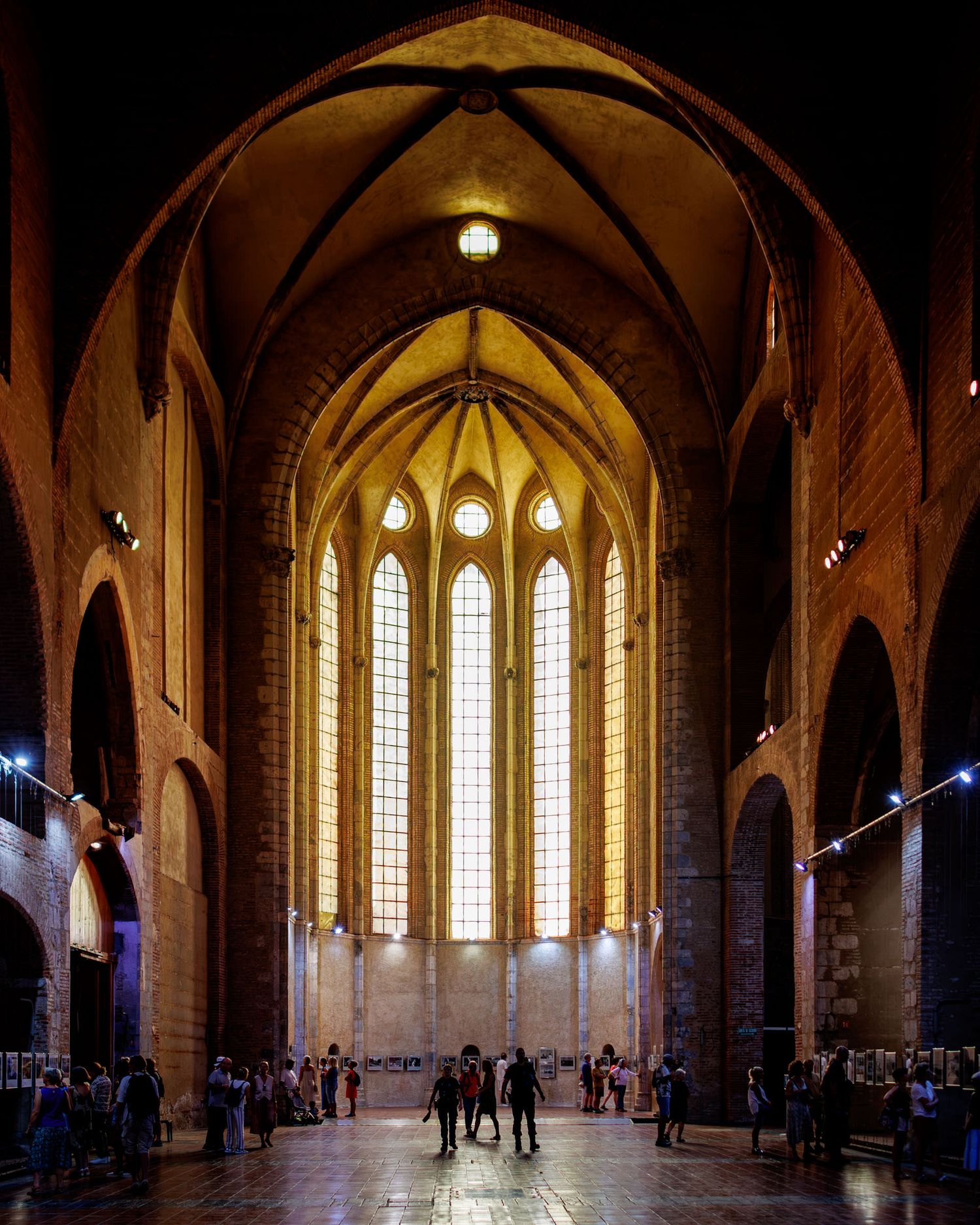
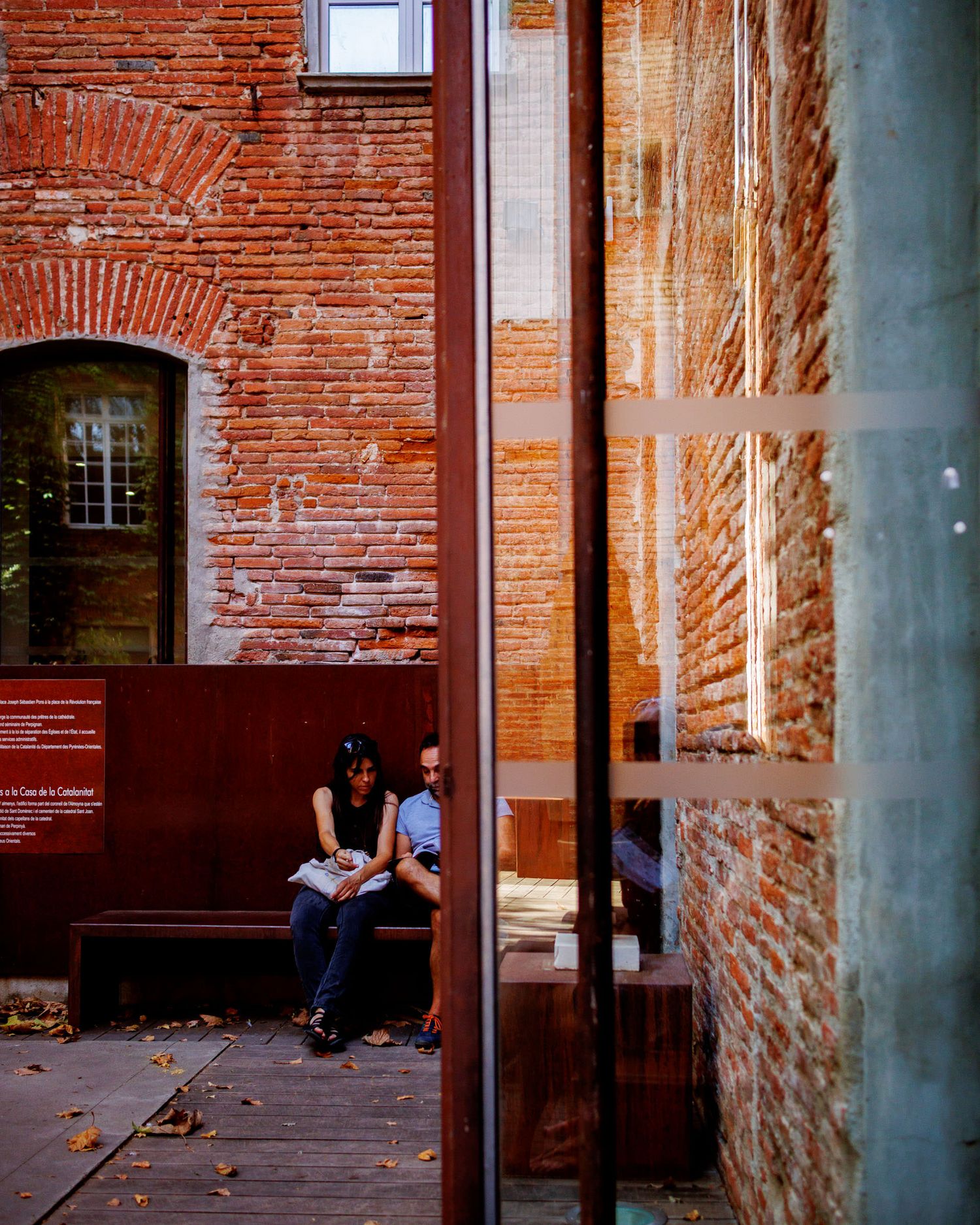
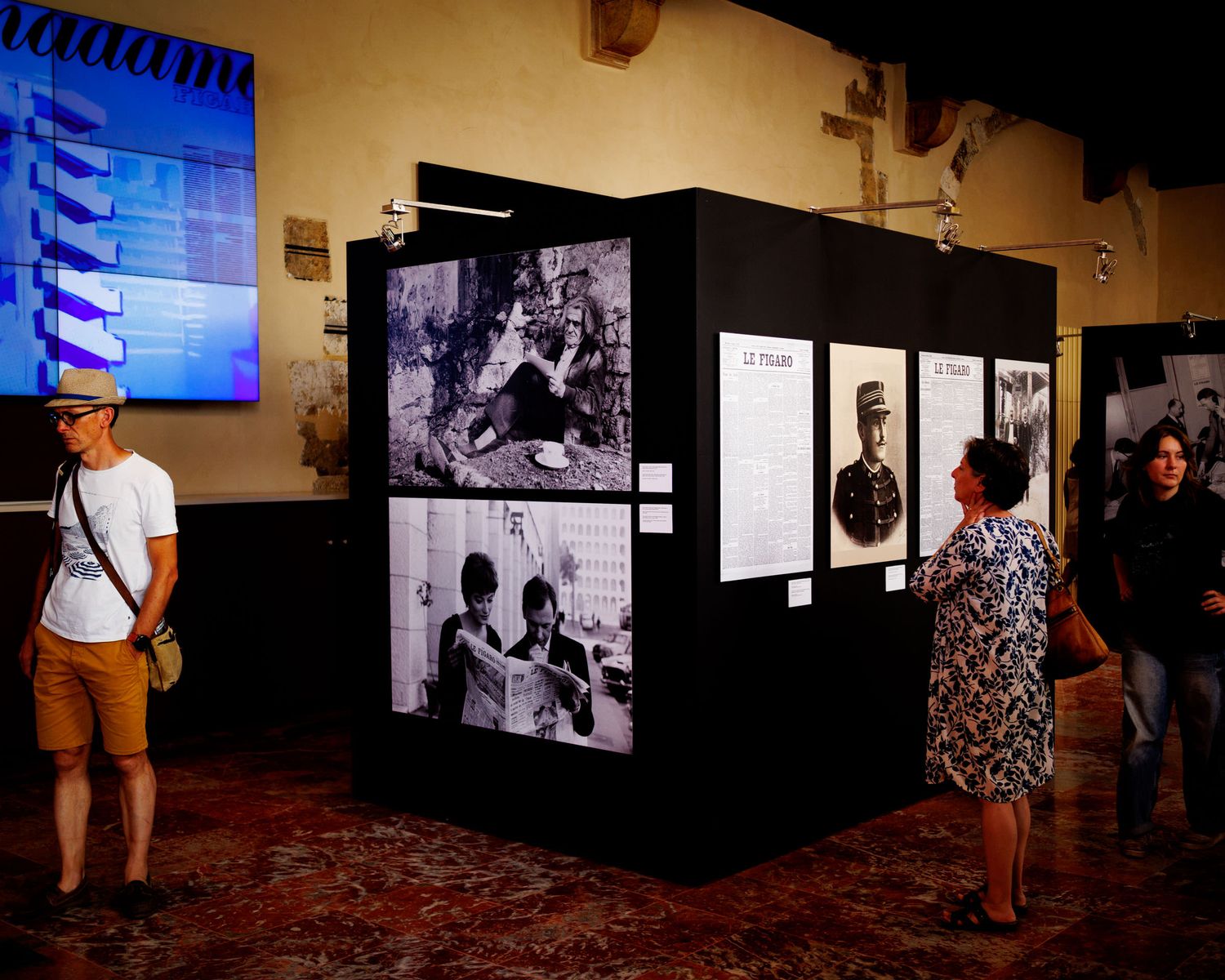
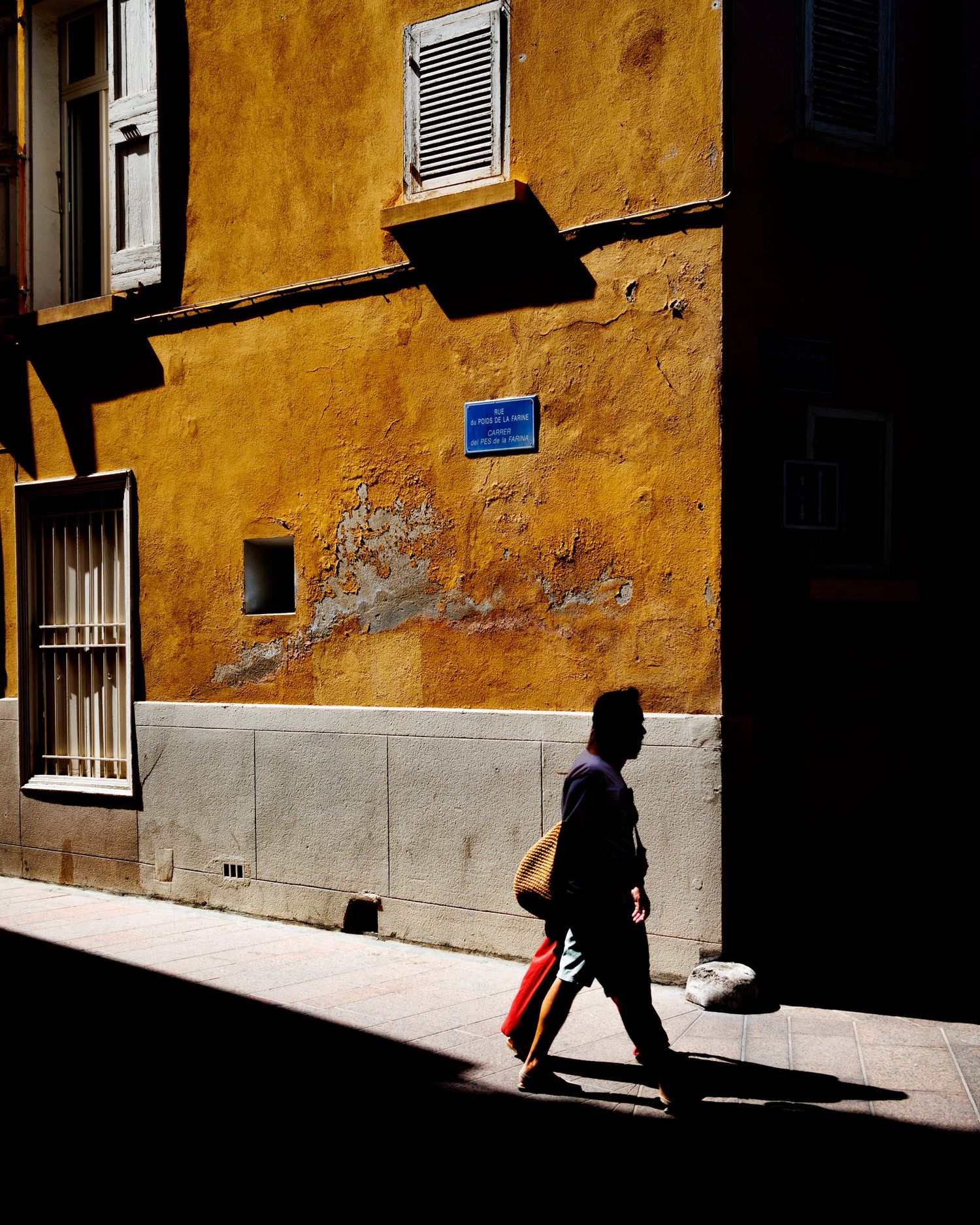
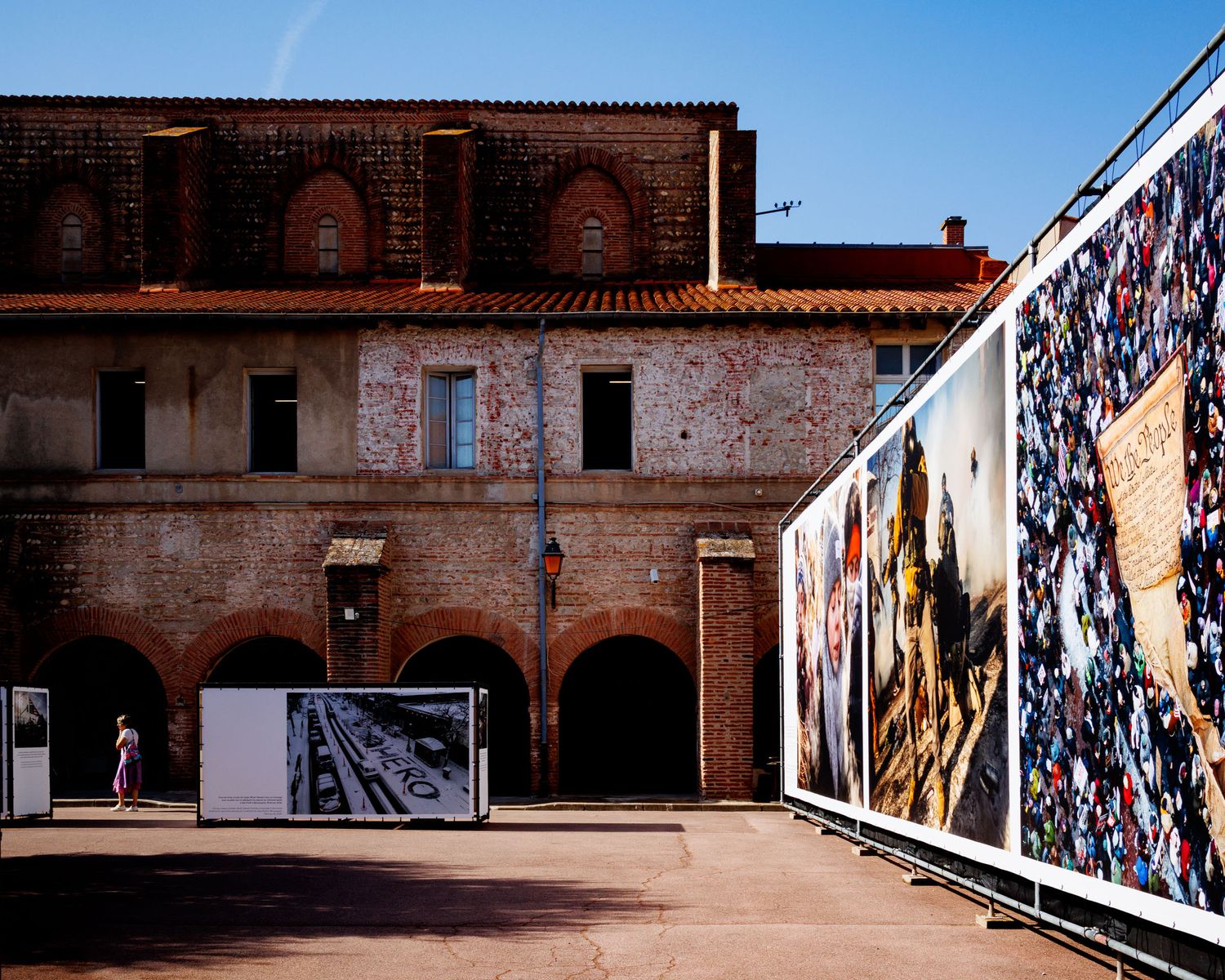
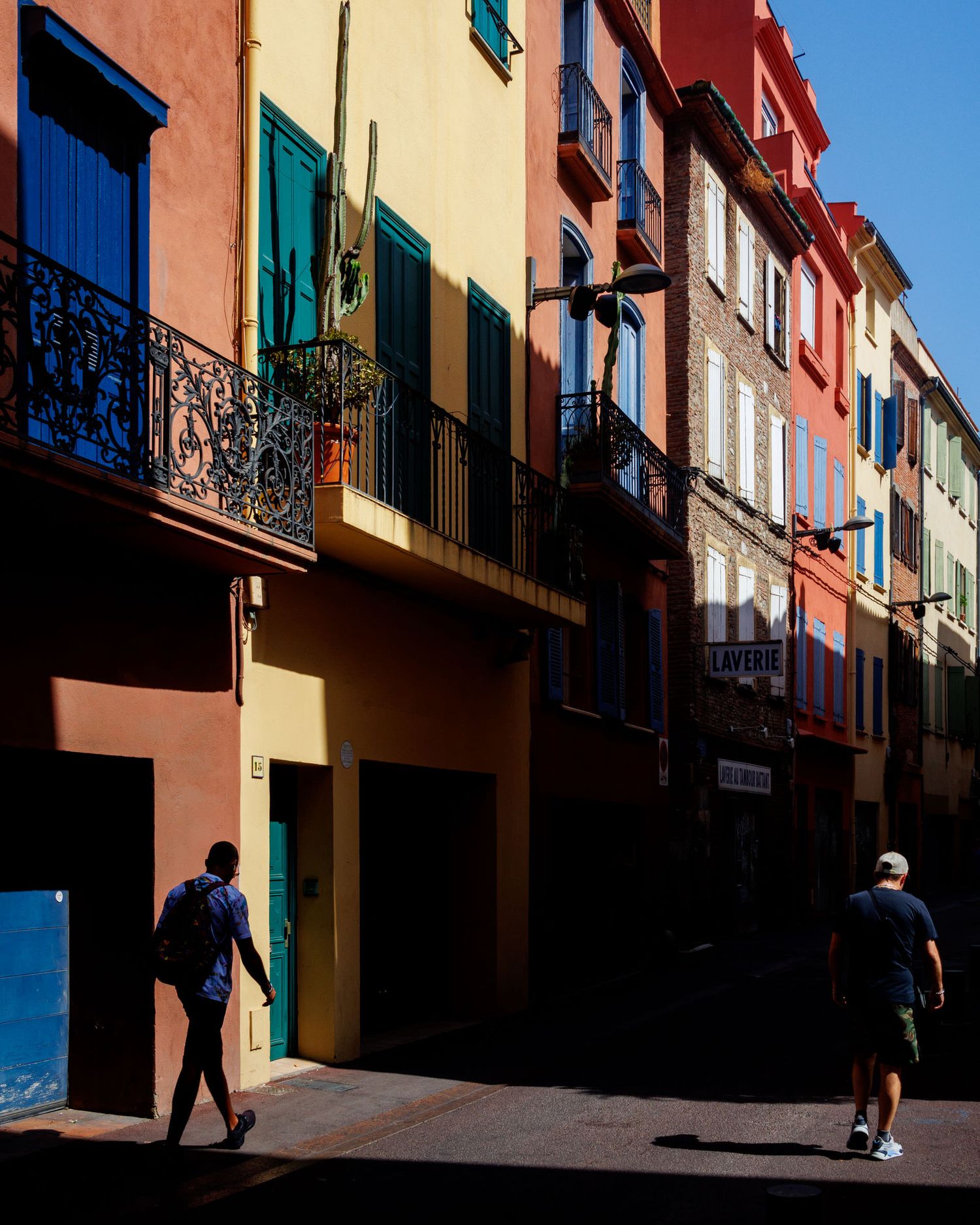
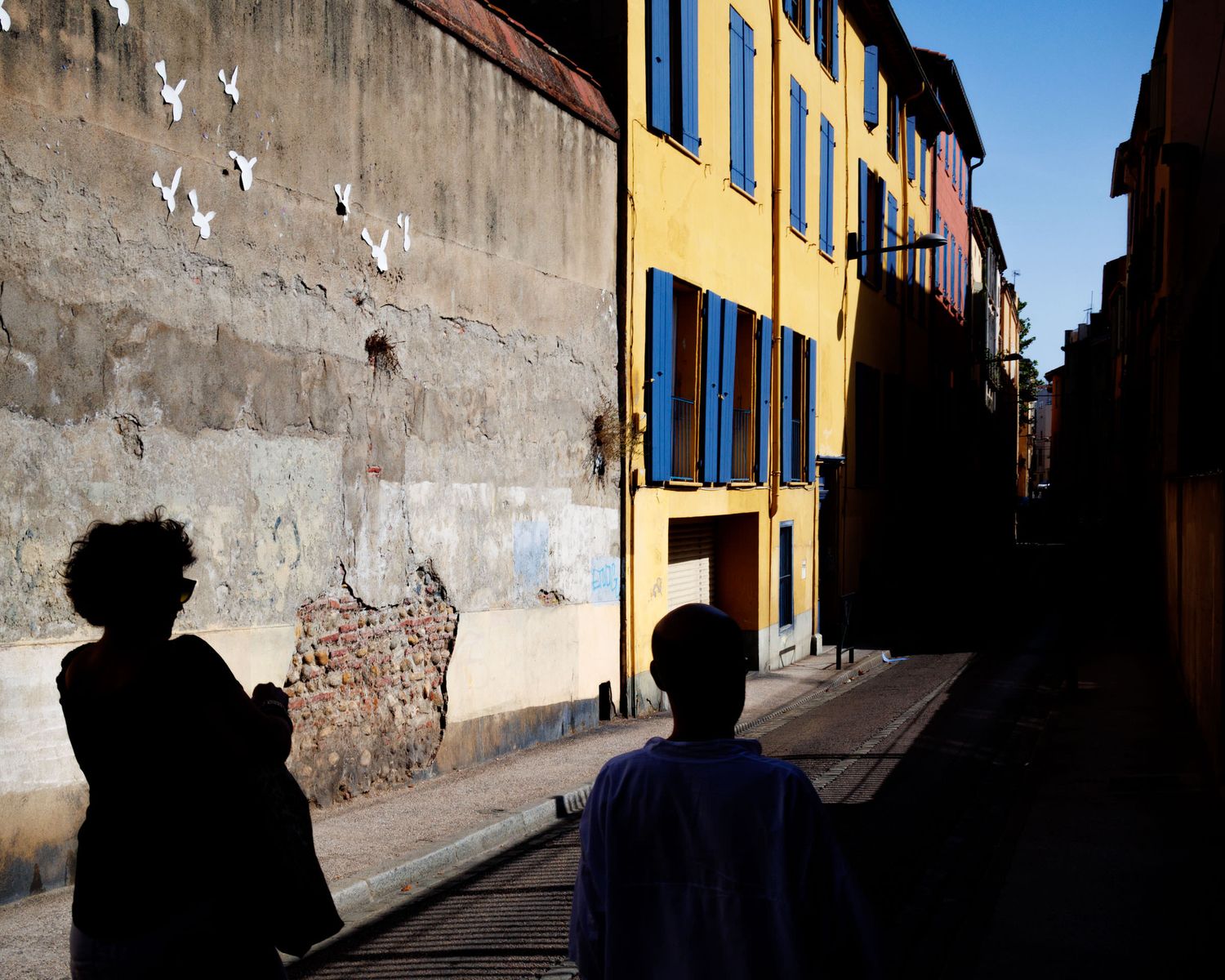
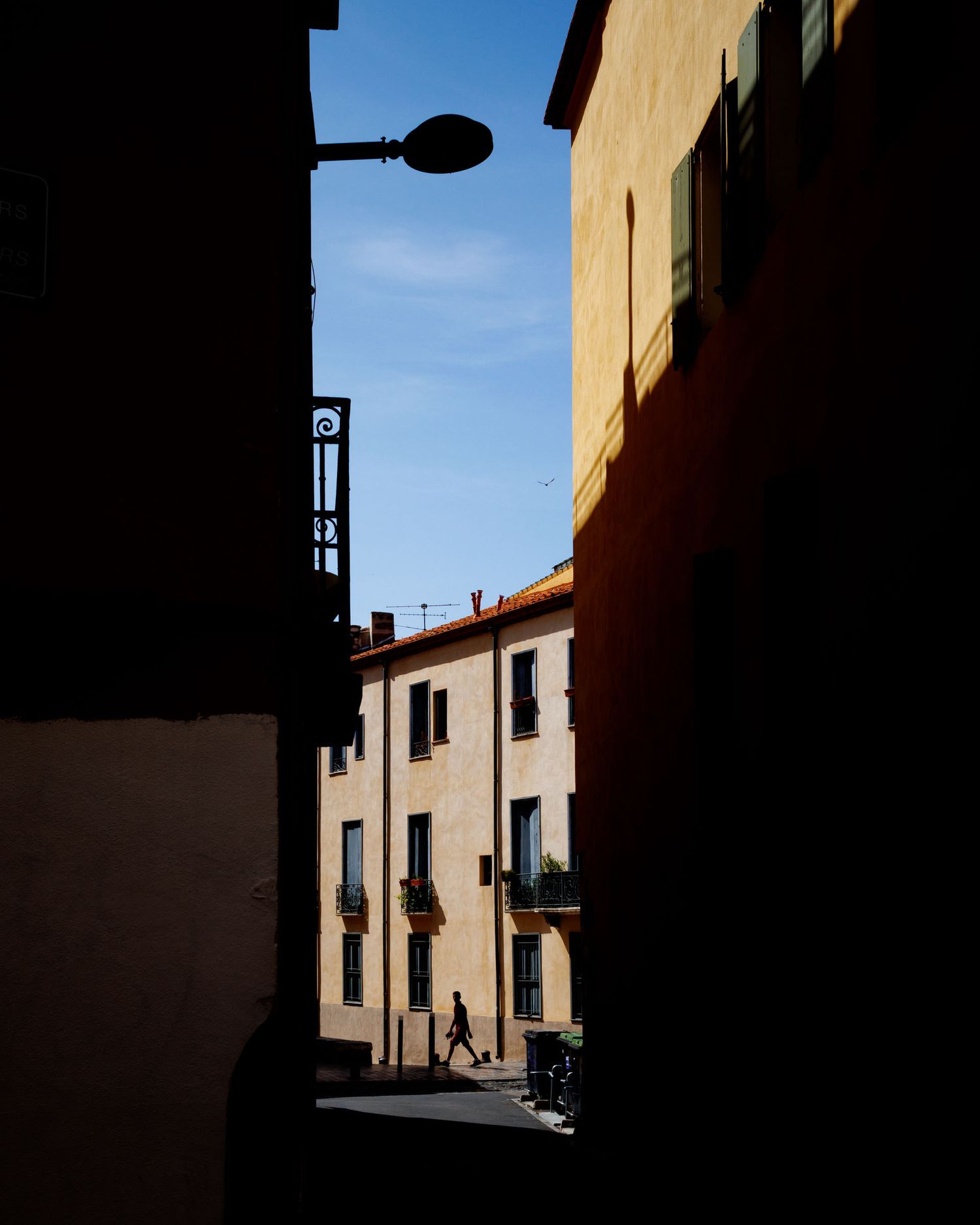
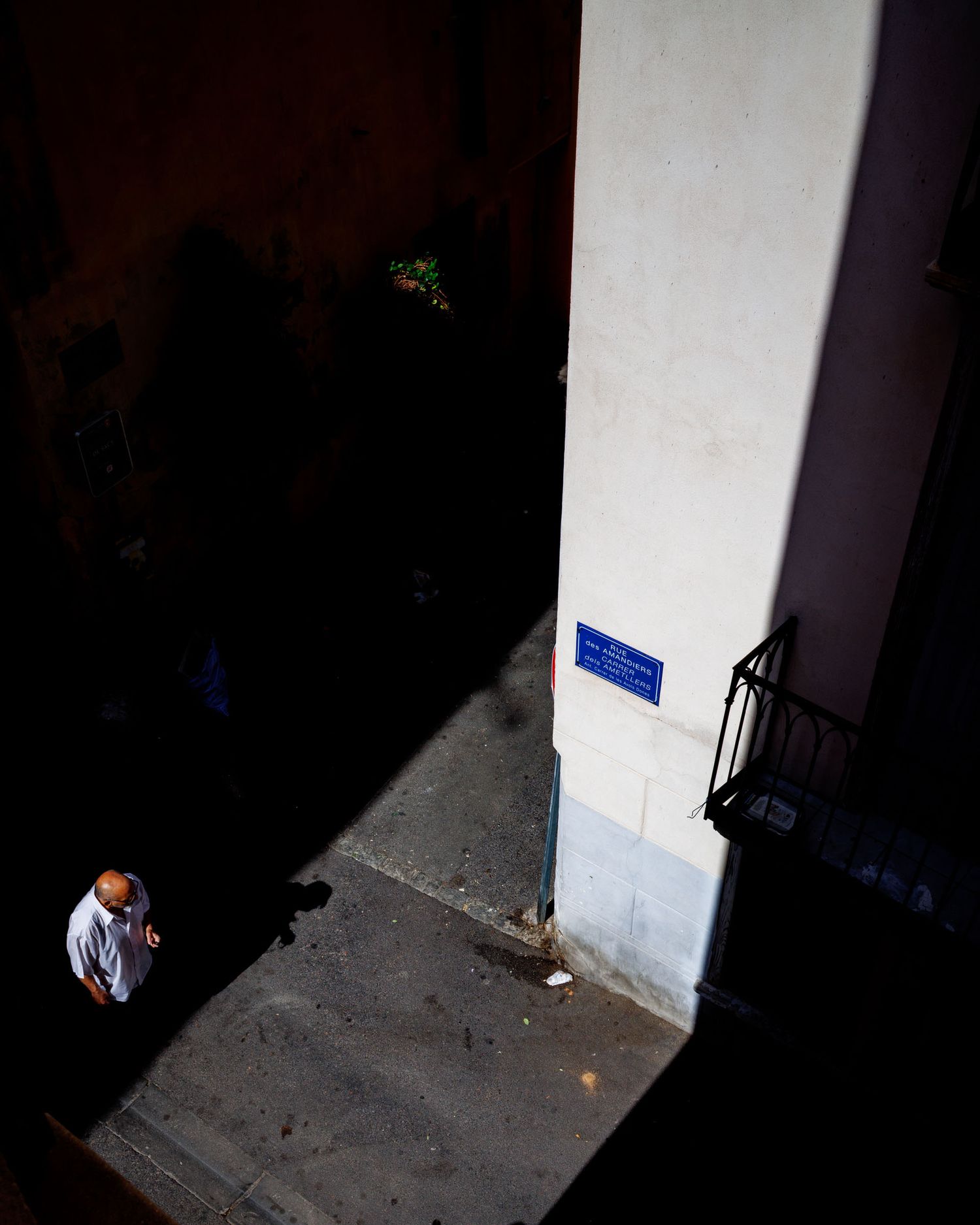
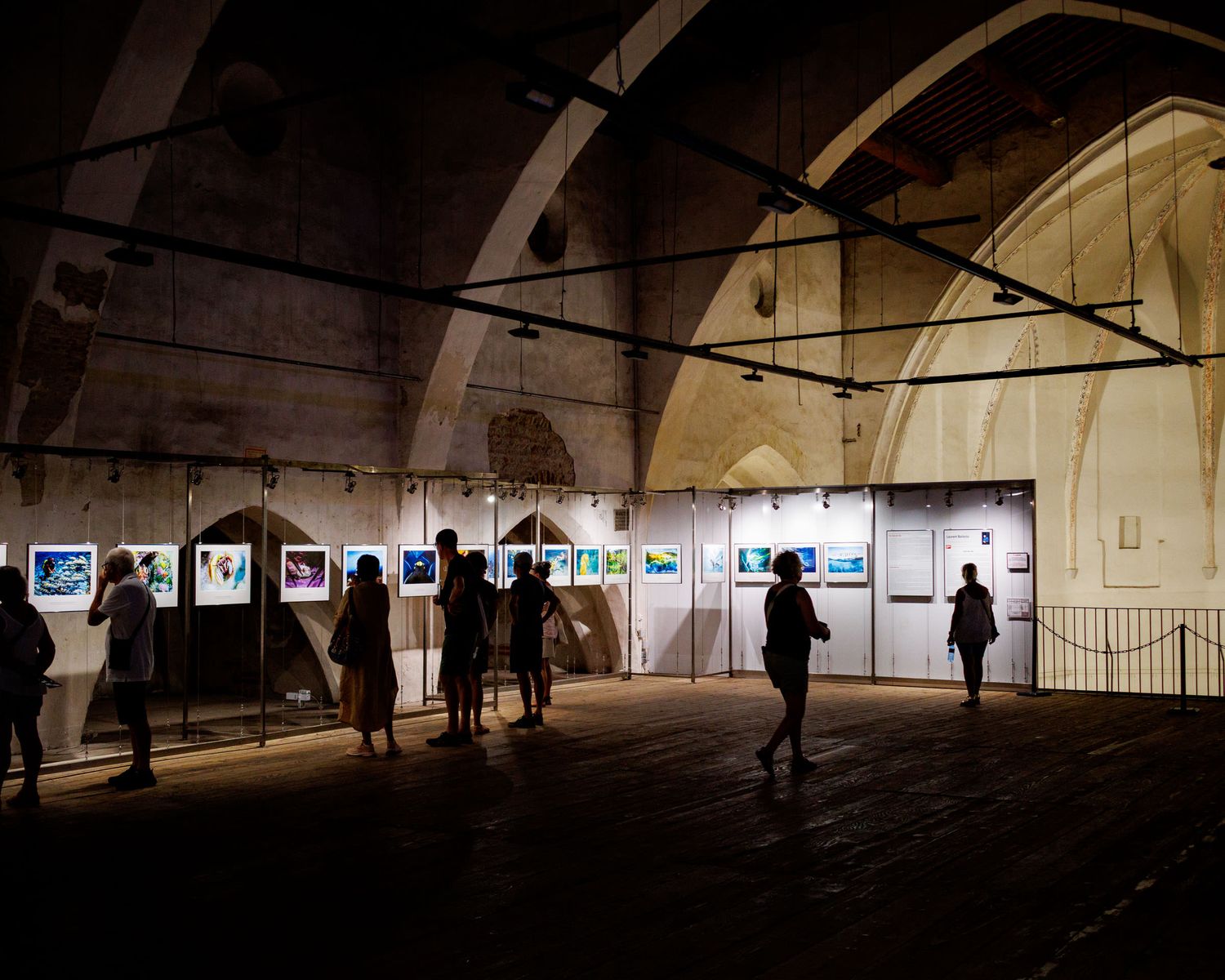
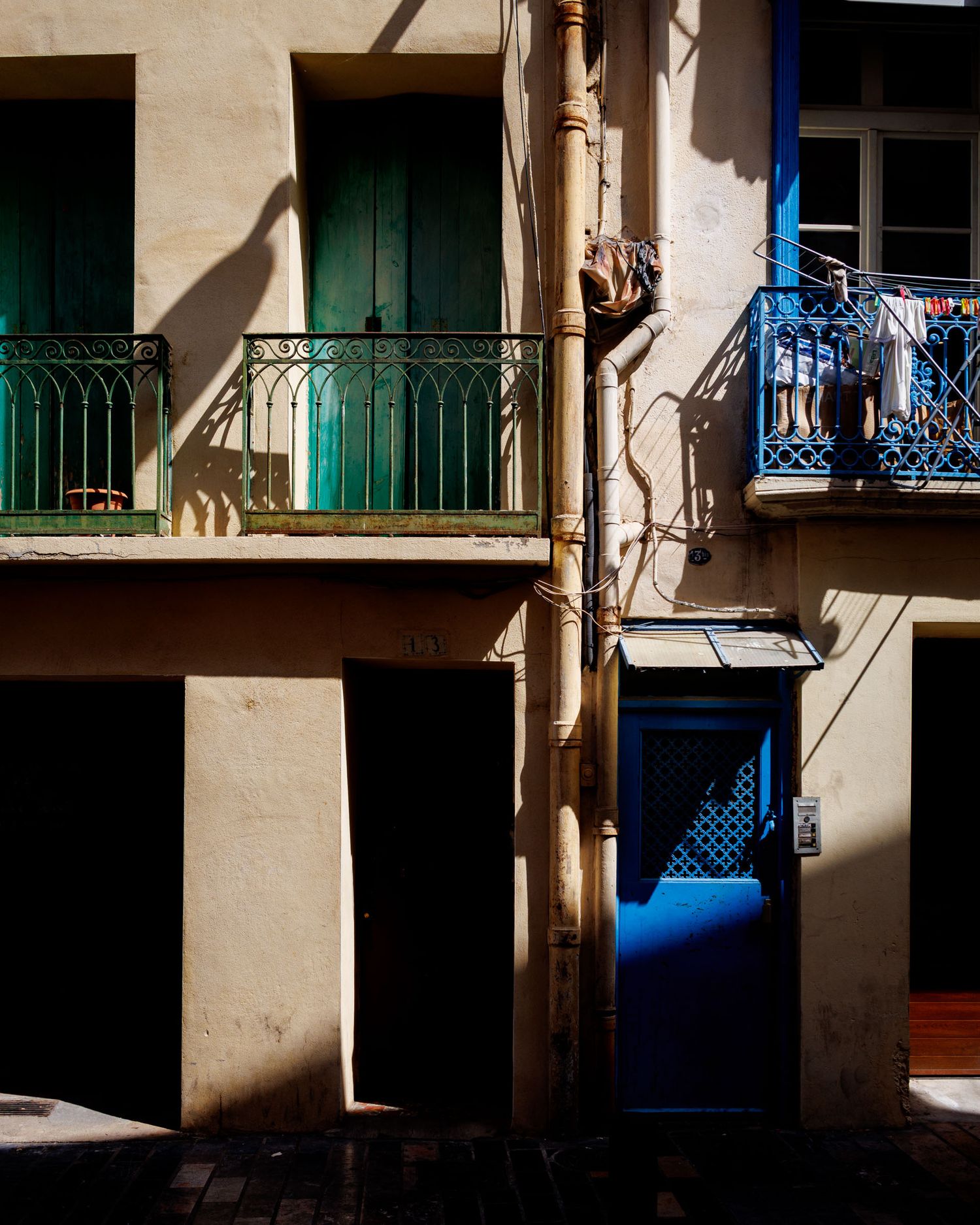
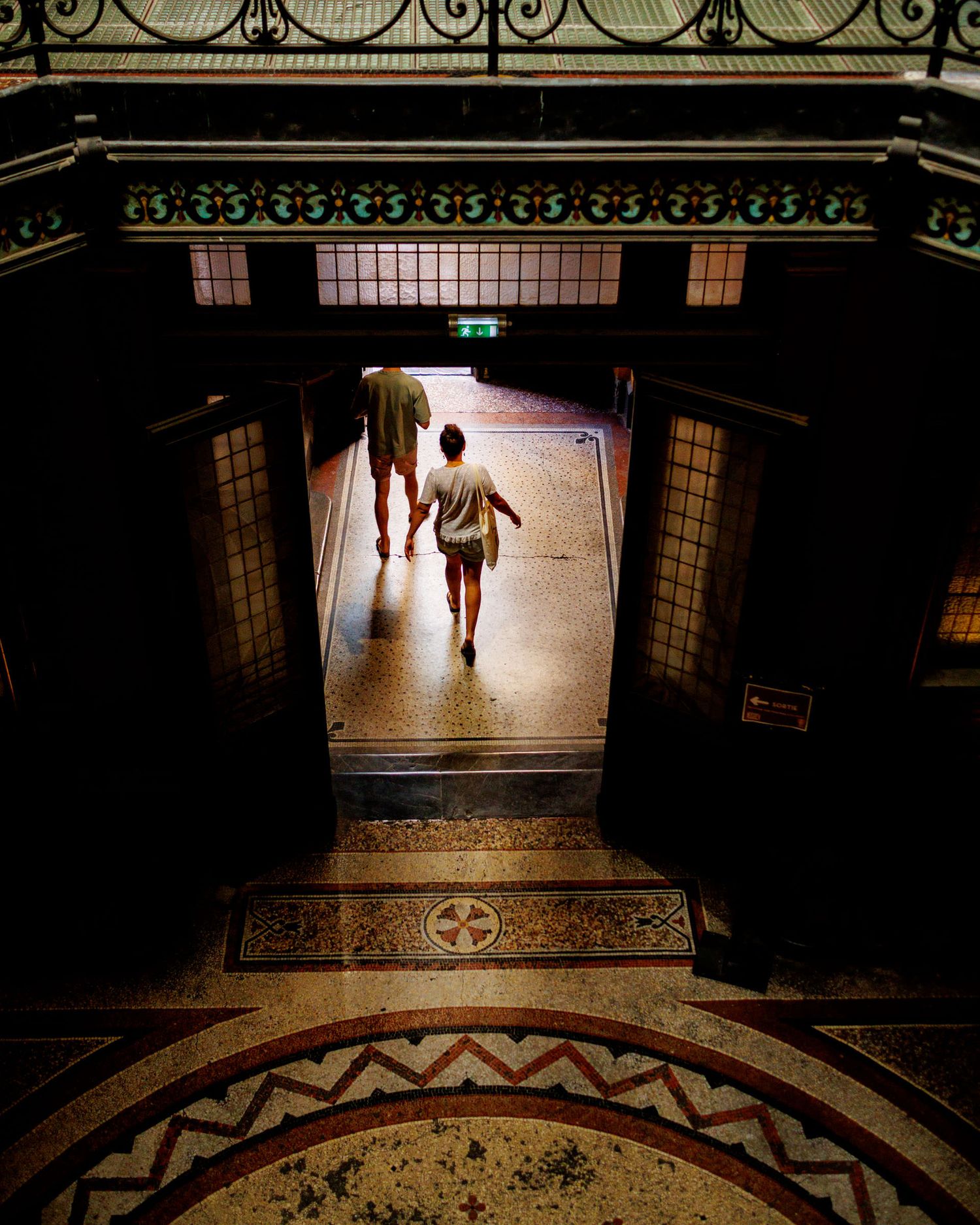
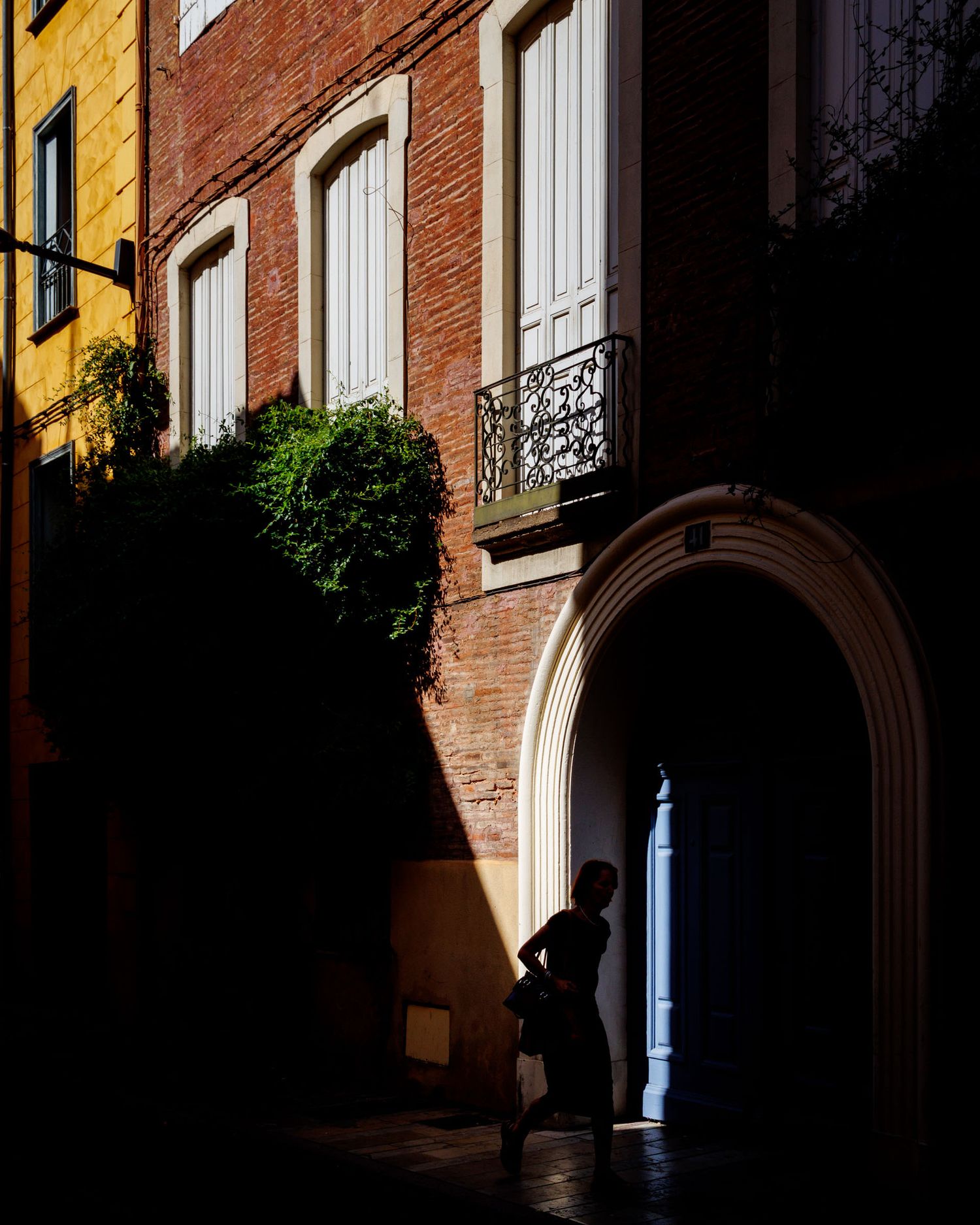
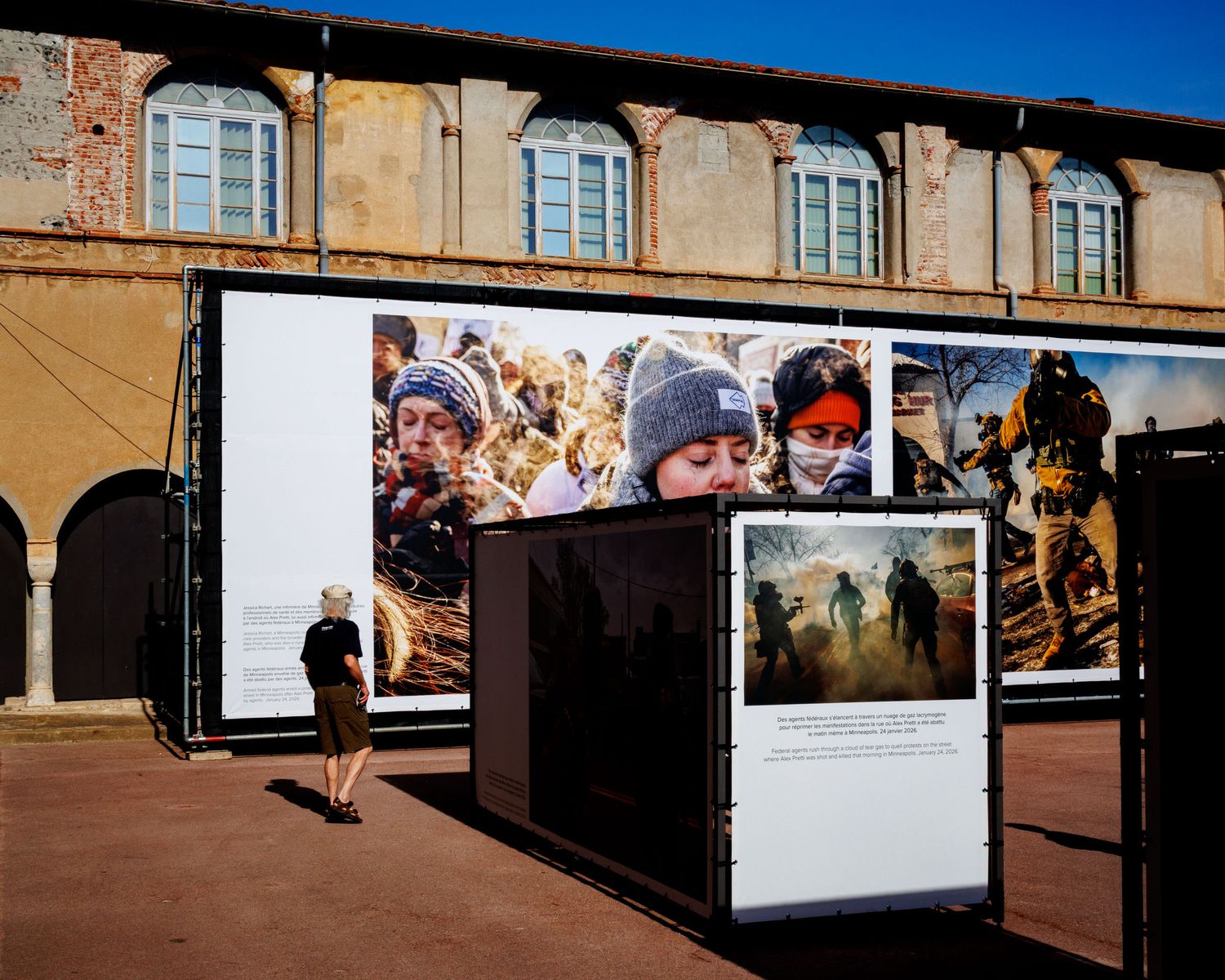
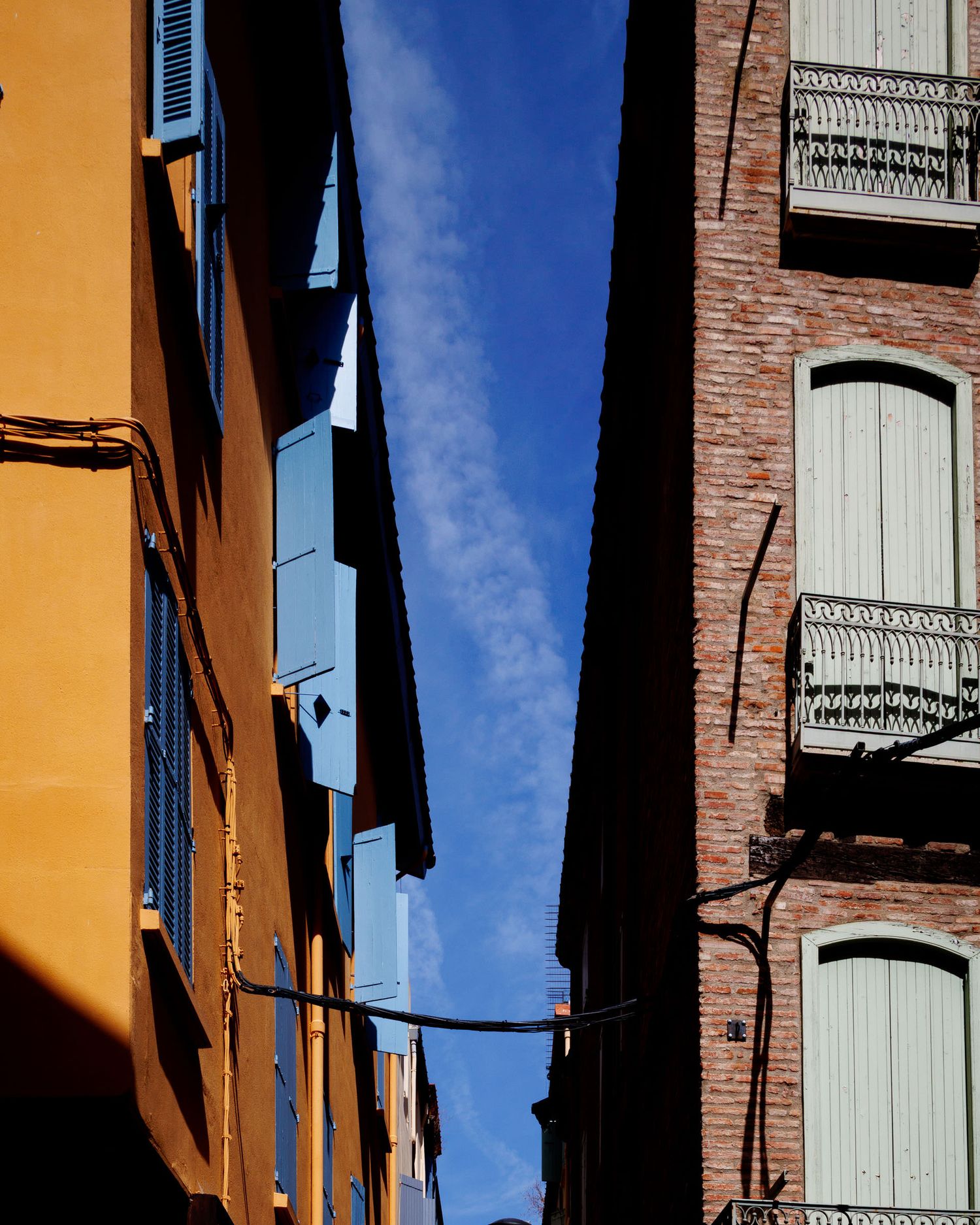
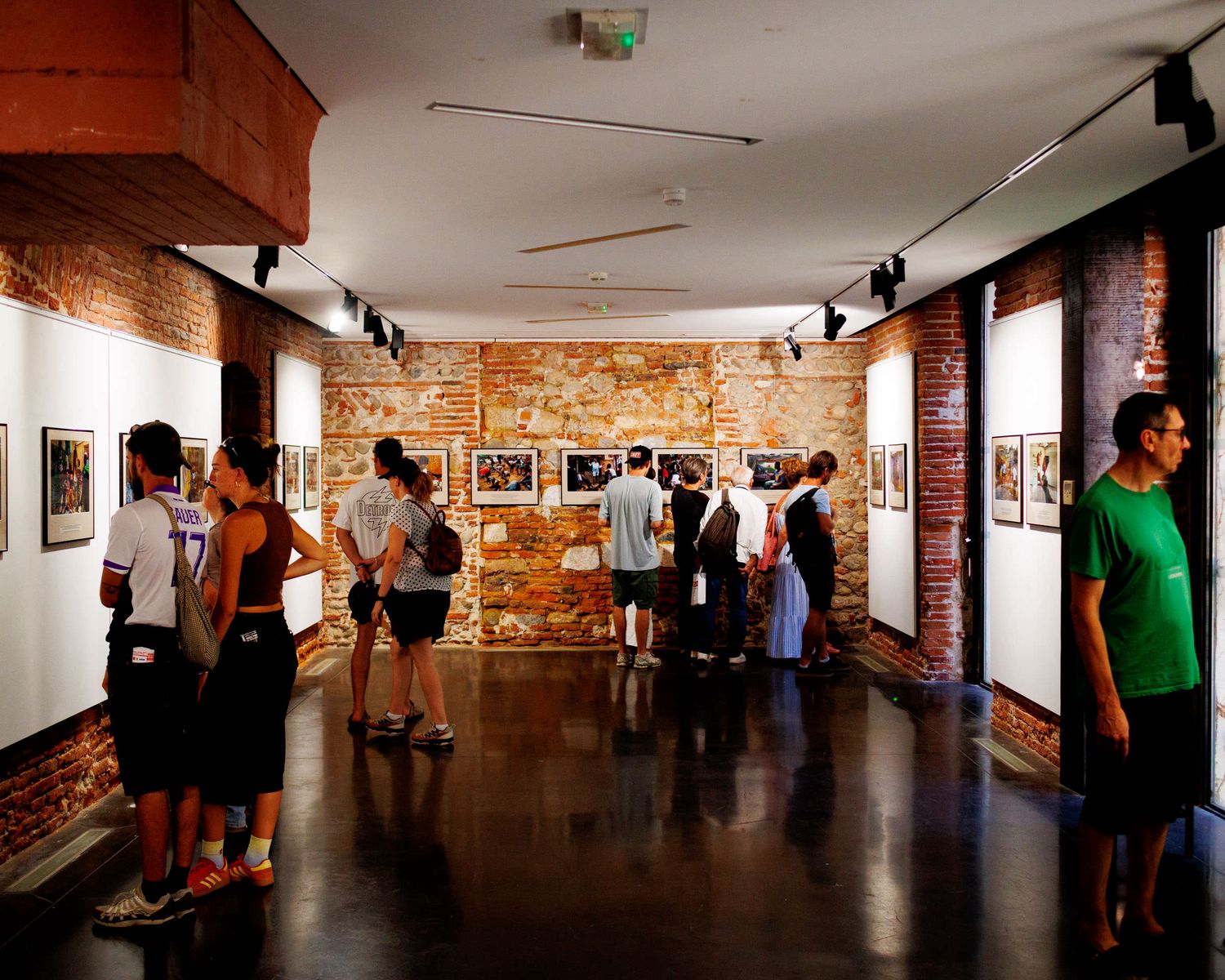
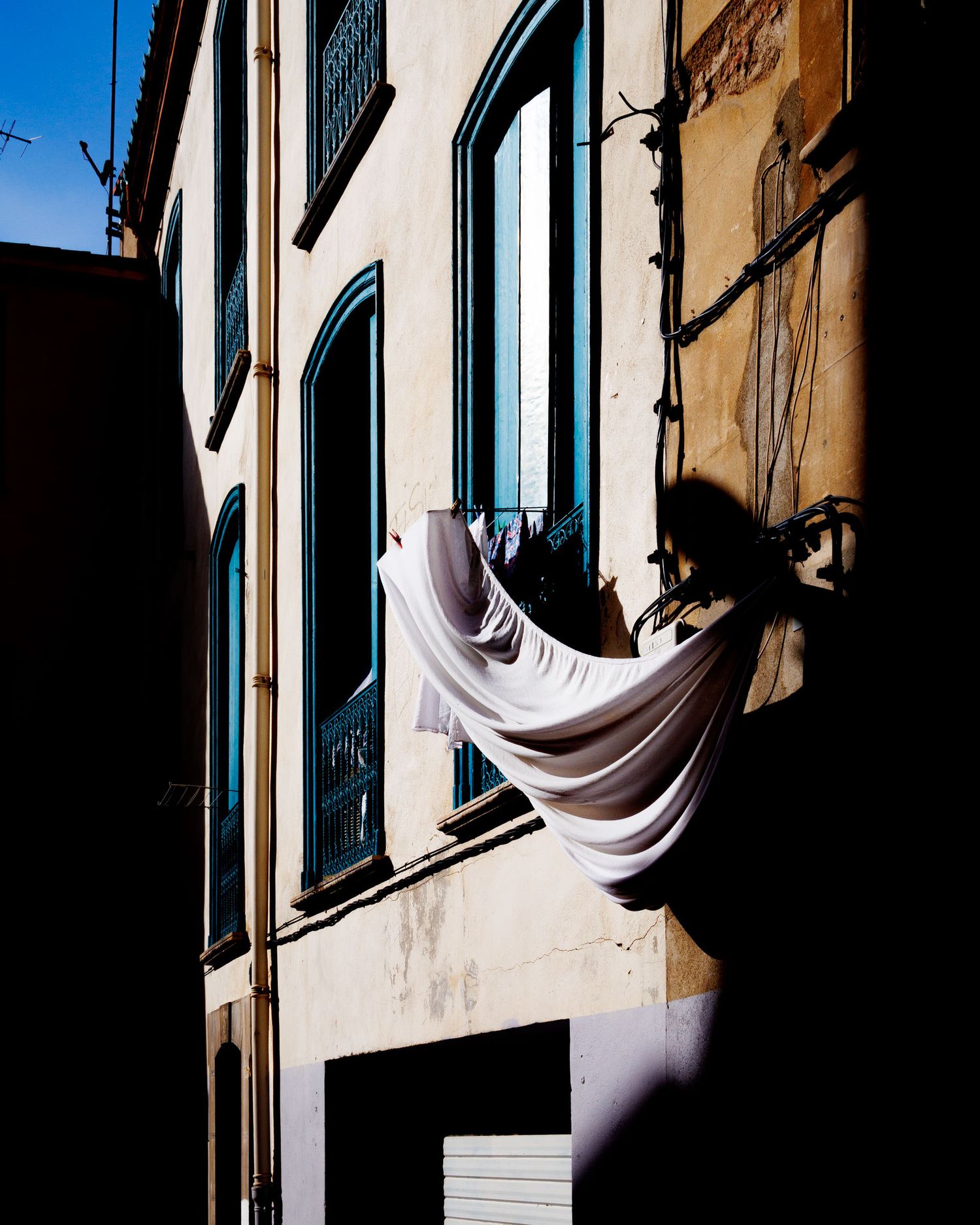
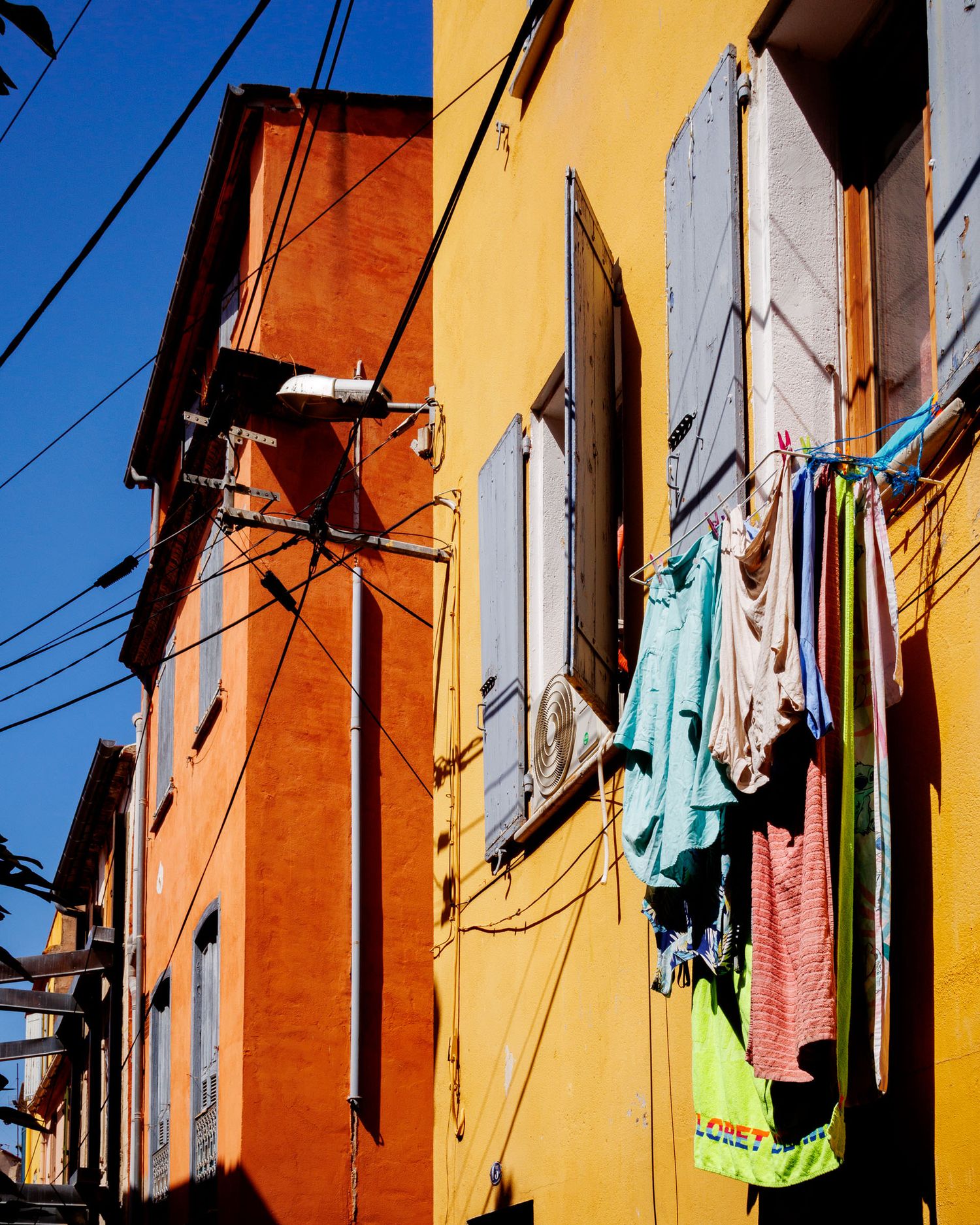
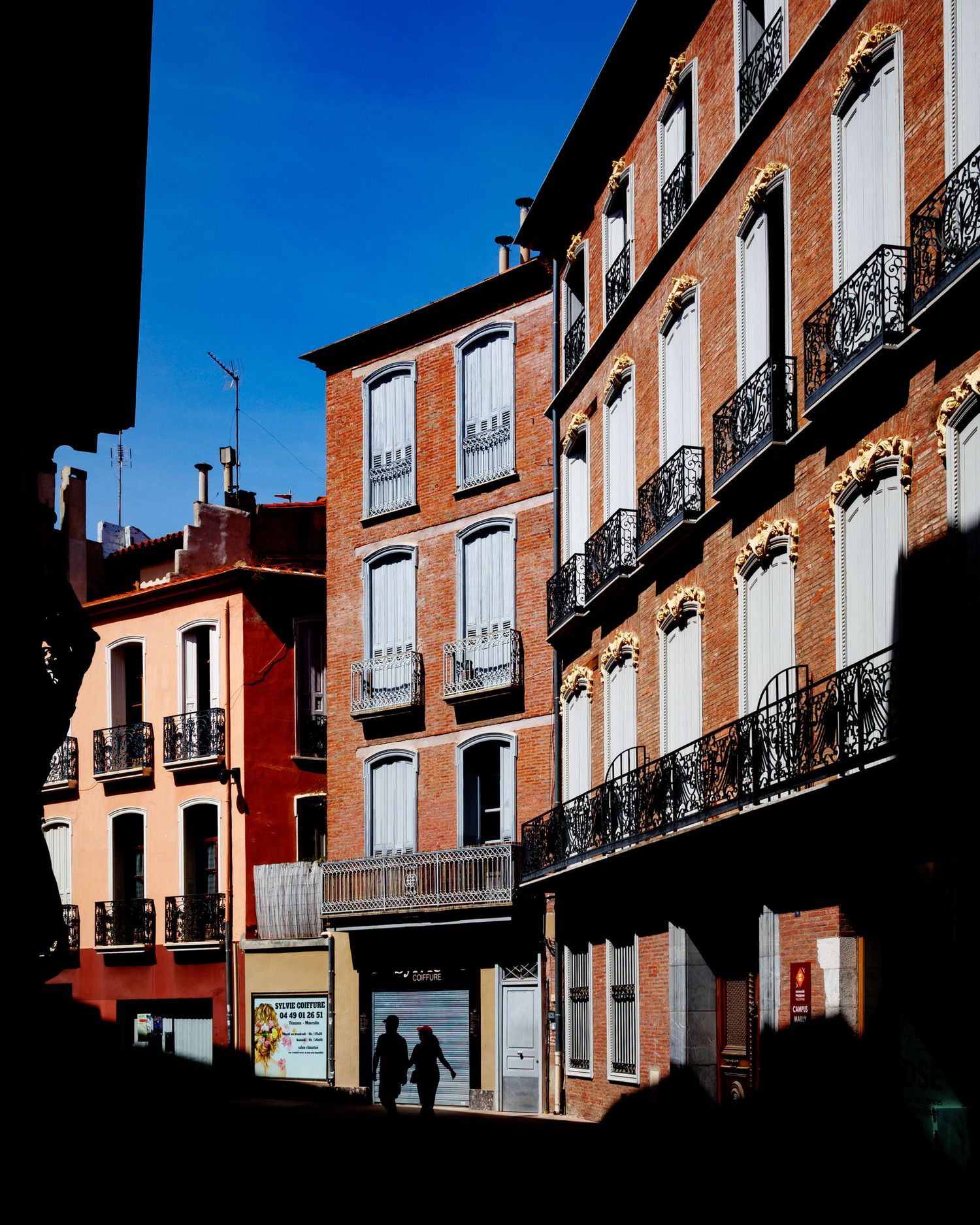
One of the reasons Visa pour l’Image remains so special is its setting. Rather than being confined to a convention centre, exhibitions occupy churches, cloisters, former universities and historic civic buildings throughout the city. Visitors move between venues on foot, discovering both the photography and the architecture of Perpignan itself.
As architectural photographers, we are always fascinated by the relationship between image and place. The festival's use of historic spaces creates an experience that cannot be replicated online. The architecture becomes part of the exhibition, influencing how the photographs are seen and understood.
The Evening Screenings
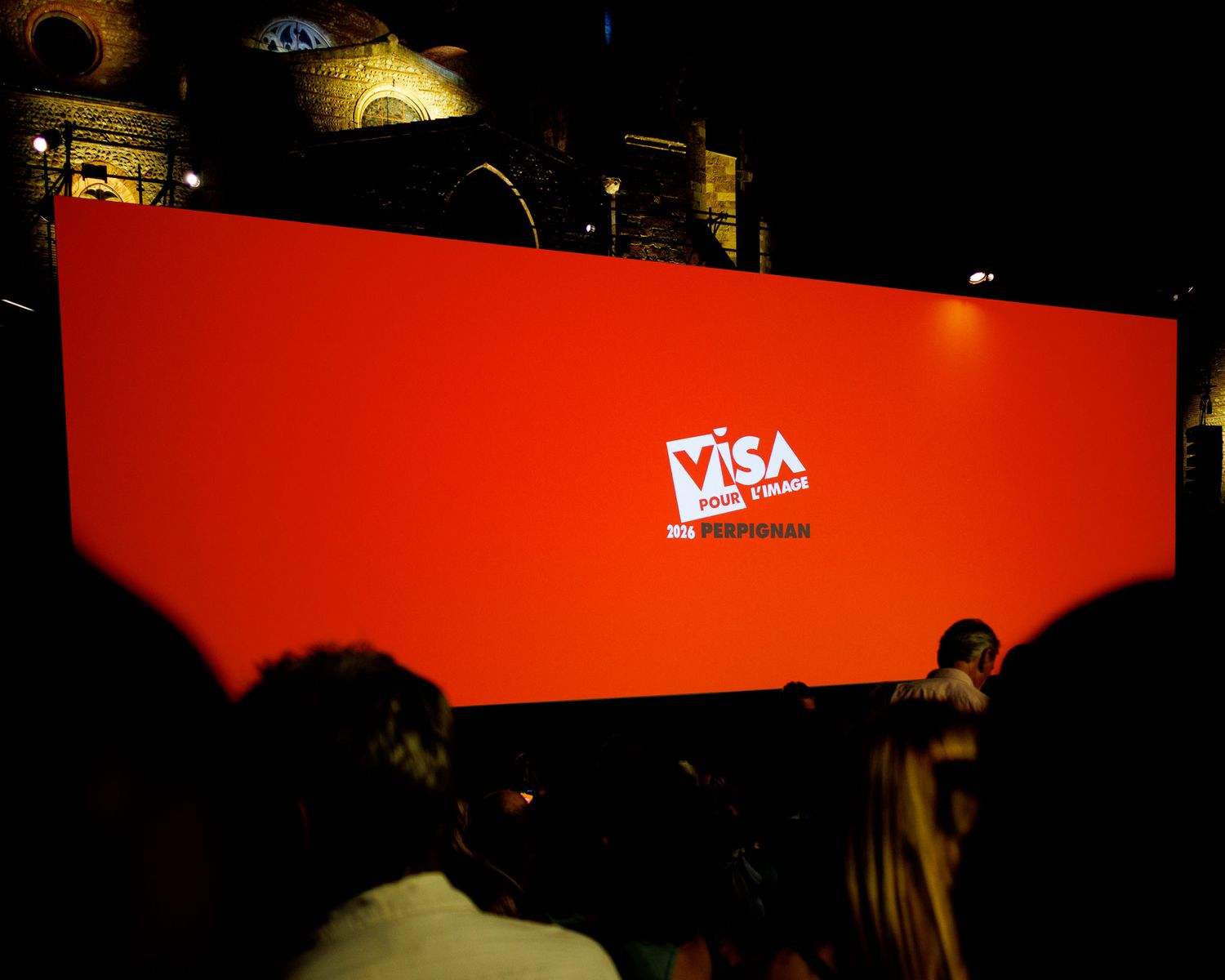
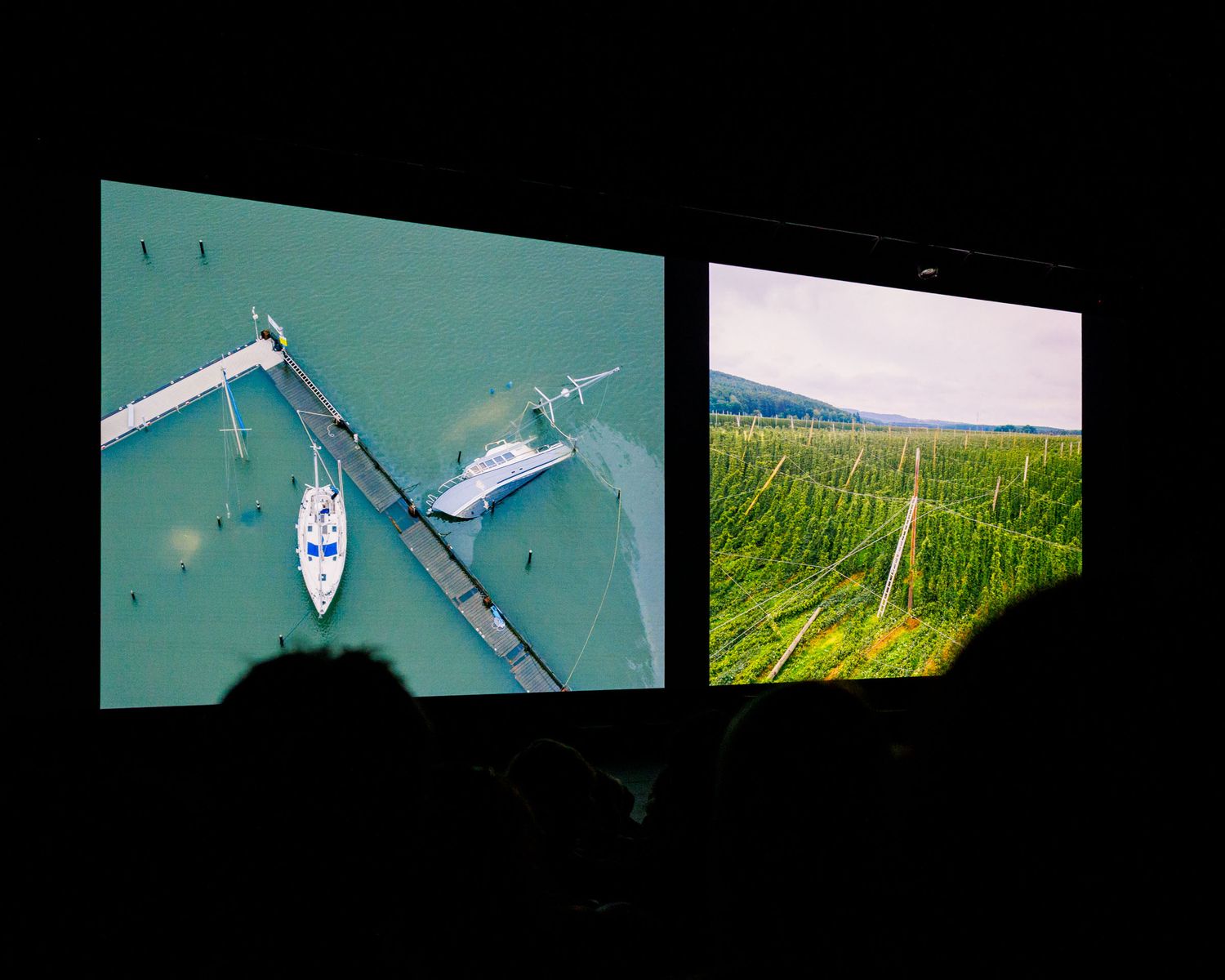
For many visitors, the highlight of the festival remains the open-air projections at the Campo Santo. As darkness falls, thousands gather within the medieval cloister to view the most significant photographic stories of the year on a giant screen. The combination of powerful imagery, thoughtful editing and a remarkable setting is unforgettable.
It is a reminder that photography is not simply about individual images. Sequencing, narrative, audio, music, and presentation are equally important. These are lessons that translate directly into architectural photography and film, where coherent storytelling is often more powerful than any single photograph.
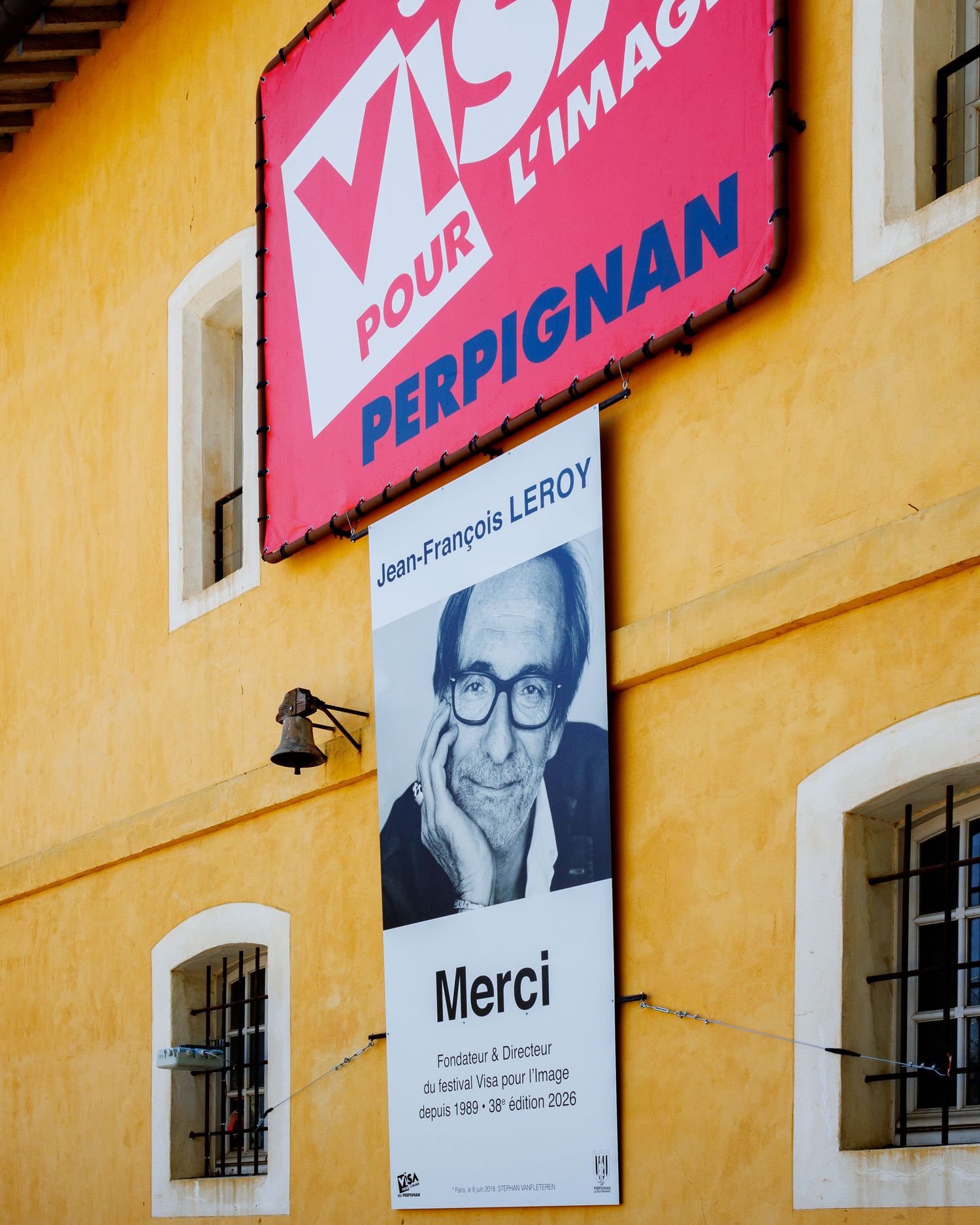
Remembering Jean-François Leroy
This year's festival was marked by the death of founder and long-time director Jean-François Leroy, who passed away shortly after the opening of the event. Since creating the festival in 1989, Leroy helped establish Visa pour l'Image as the world's leading gathering dedicated to photojournalism. His influence on generations of photographers and editors is difficult to overstate.
The 2026 edition therefore carried an added sense of significance, celebrating not only outstanding photography but also the legacy of a figure who championed visual journalism for nearly four decades.
Why Festivals Still Matter
In a profession increasingly dominated by screens, social media and endless image streams, festivals like Visa pour l’Image offer something rare: time to slow down and engage with photography properly.
Whether documenting conflict, environmental change, social issues or the built environment, great photographers share a common goal. They help us see more clearly.
That is why, nearly four decades after its founding, Visa pour l’Image remains essential. Not simply because it showcases exceptional photography, but because it reminds us why photography matters in the first place.
For anyone with a serious interest in visual storytelling, Perpignan continues to be one of the most inspiring places to spend a week each September.
Standout Exhibitions
As always, narrowing Visa pour l'Image down to a handful of favourites is nearly impossible, but several exhibitions stayed with us long after we left Perpignan.
The retrospective of Raymond Depardon and Magnum Photos was a reminder of why he remains one of the most influential documentary photographers of the last half century. Spanning decades of work, the exhibition demonstrated Depardon's extraordinary ability to combine journalism, humanity and visual simplicity. For many visitors, it was one of the most moving and memorable shows of the festival.
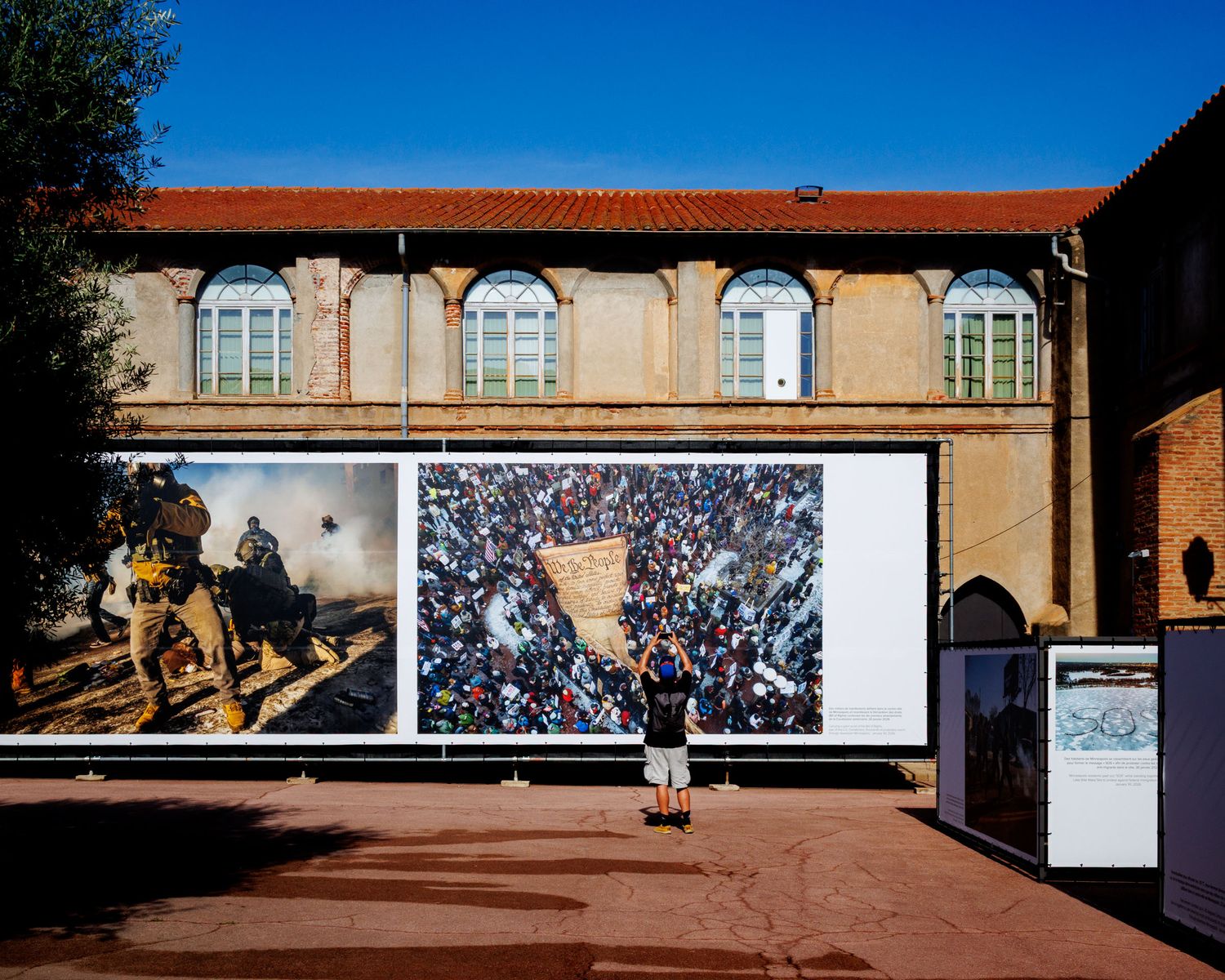
Equally powerful was The People of Minneapolis vs. ICE by David Guttenfelder for The New York Times. The project examined the human impact of immigration enforcement in Minneapolis, presenting a nuanced and empathetic portrait of communities living with uncertainty and fear. Guttenfelder's photography balanced quiet observation with powerful storytelling, demonstrating how documentary photography can illuminate complex social issues without resorting to spectacle.
Another exhibition that proved difficult to forget was Afghanistan: The Girls Sold to Survive Drought by Élise Blanchard. The work documented families facing severe economic hardship and climate-related pressures, revealing the devastating consequences that prolonged drought can have on the lives of young women and girls. The photographs were both sensitive and uncompromising, addressing a subject that rarely receives sustained international attention.
Together, these exhibitions captured what Visa pour l'Image does best: bringing global stories to a wider audience through photography that is rigorous, compassionate and impossible to ignore. What struck us most this year was not the technical quality of the photography, impressive though it was, but the commitment behind it. In an era of AI-generated imagery and shrinking attention spans, these photographers had invested months, and sometimes years, documenting stories that demand careful observation and trust. Visa pour l'Image continues to remind us that the most powerful images are still those grounded in reality and human experience.
About the author
Craig Auckland is founder of Fotohaus, an architectural photographer and filmmaker, and a specialist in documenting architecture, construction and the built environment for clients, publishers and design organisations across the UK and Europe.