Architecture and photography
have been intertwined almost since the invention of the camera itself. Long before photographs could be shared instantly around the world, architects, historians and travellers relied on photographic images to document buildings, preserve cultural heritage and communicate design ideas across great distances.
Today, architectural photography is a sophisticated discipline that combines technical precision with visual storytelling. Understanding its history reveals how the medium has evolved alongside architecture itself.
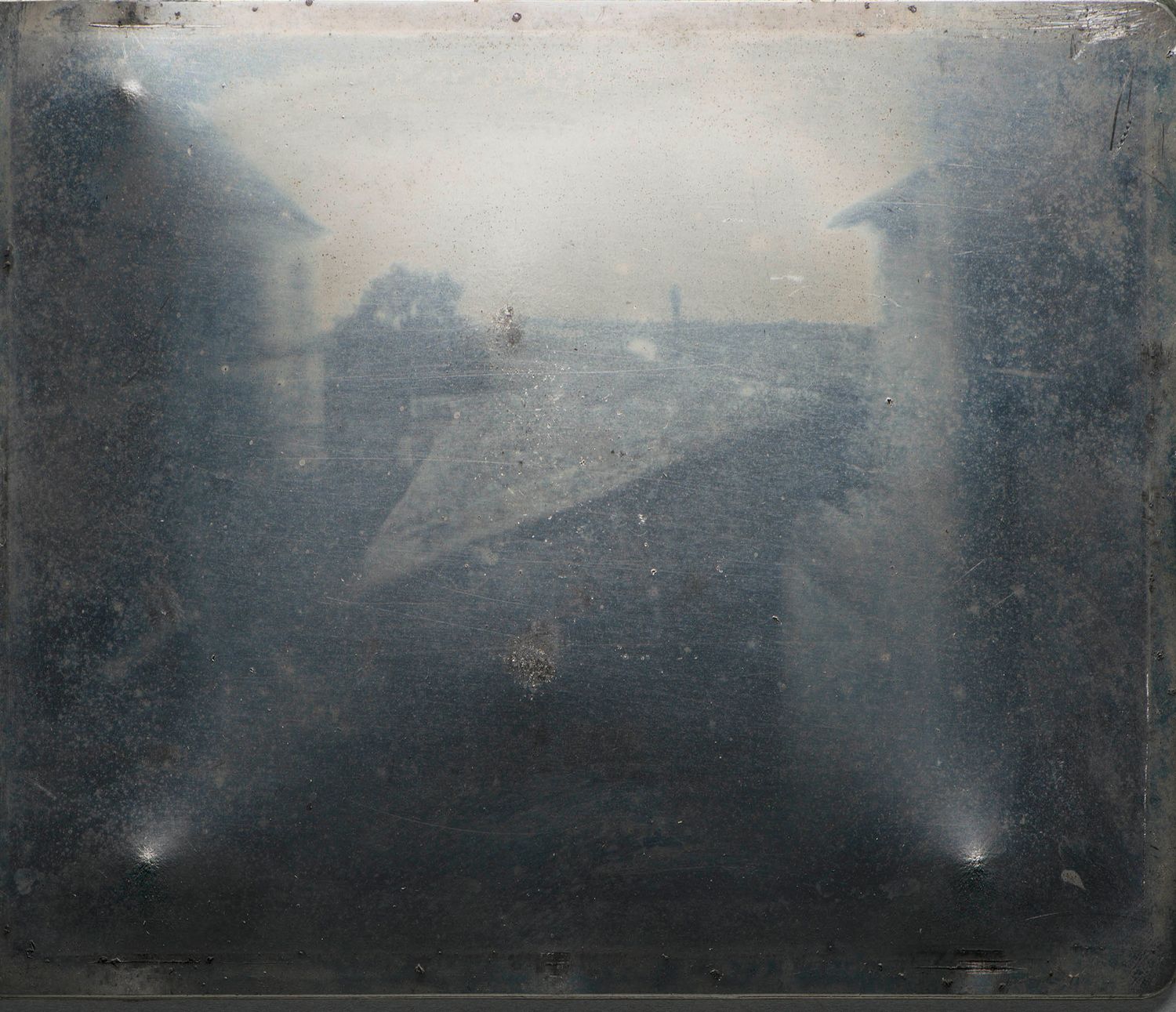
View from the Window at Le Gras
Joseph Nicéphore Niépce (French, 1765–1833), View from the Window at Le Gras. 1827. Heliograph on pewter, 16.7 x 20.3 x .15 cm. Gernsheim Collection. Considered to be the world's first photograph, featuring the architectural rooftops, a courtyard, and out-buildings from an upstairs window of Niépce's estate. Estimated exposure time of about eight hours
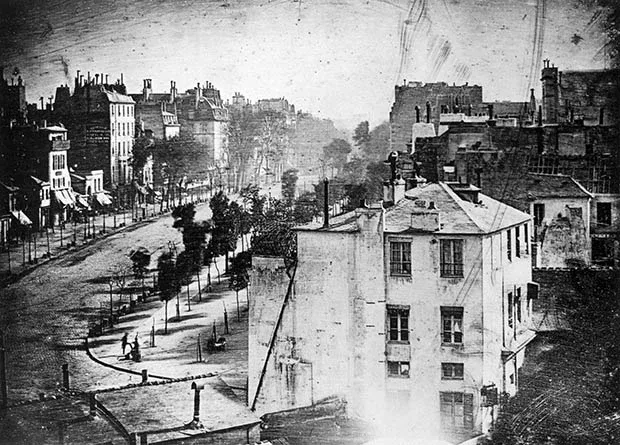
Boulevard du Temple
This paragraph of Boulevard du Temple in Paris was made in 1838 by Louis Daguerre. The bustling Parisian boulevard looks completely deserted because the exposure time lasted between 10 to 15 minutes.
The Birth of Architectural Photography
Architectural photography emerged in the 1830s and 1840s, shortly after the invention of photography. Early photographic processes such as the daguerreotype were particularly well suited to architecture because their long exposure times favoured static subjects.
Some of the earliest surviving photographs depict streets, churches and public buildings. French pioneers such as Louis Daguerre and William Henry Fox Talbot recognised that the camera could record architectural detail with a level of accuracy previously impossible through drawing or engraving.
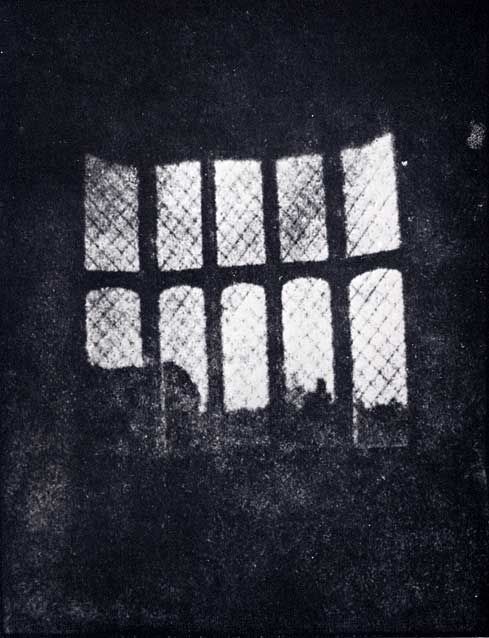
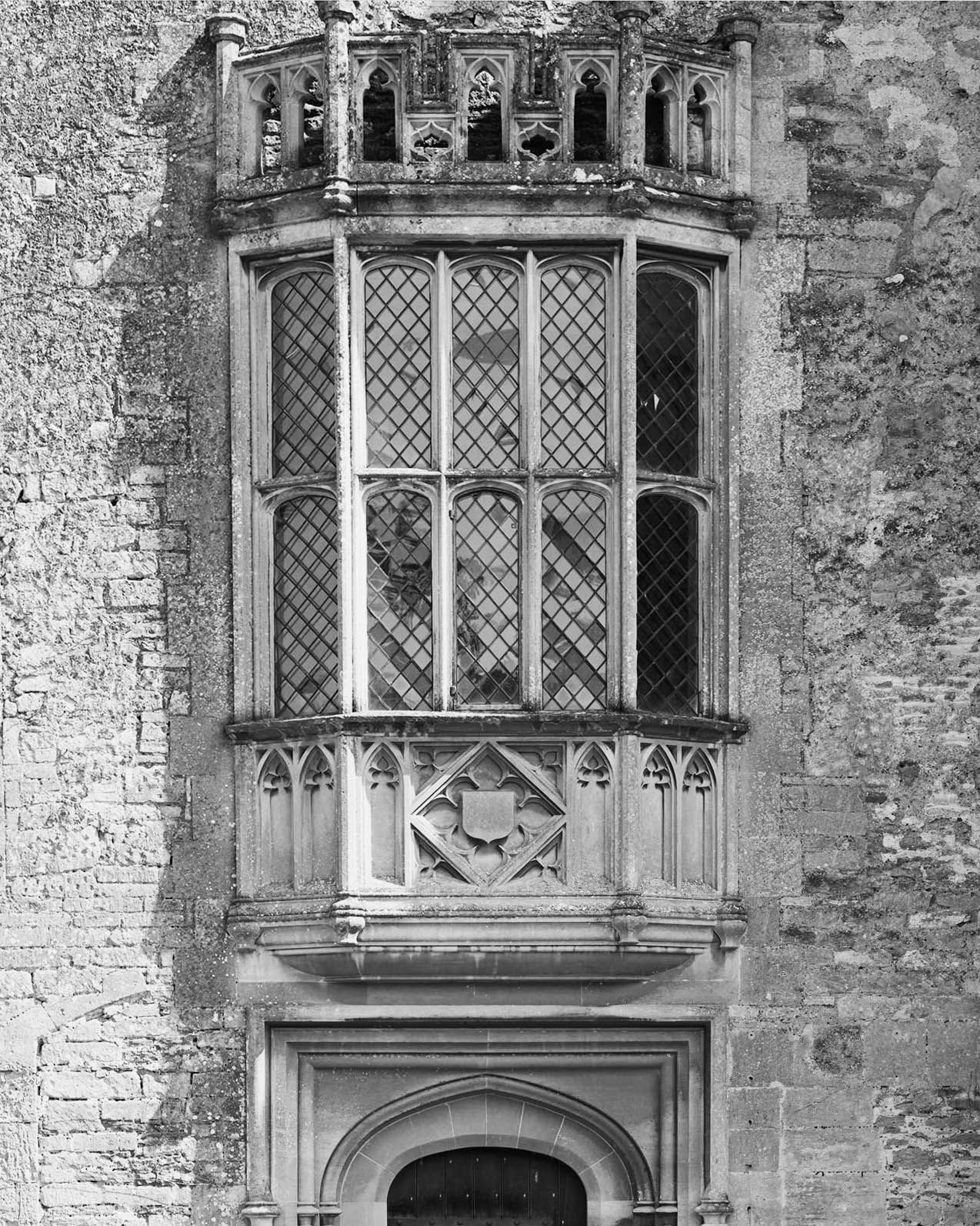
Talbot's photographs of Lacock Abbey, produced in the 1830s, are among the earliest examples of buildings being used as photographic subjects. These images demonstrated photography's potential as both a documentary and artistic medium
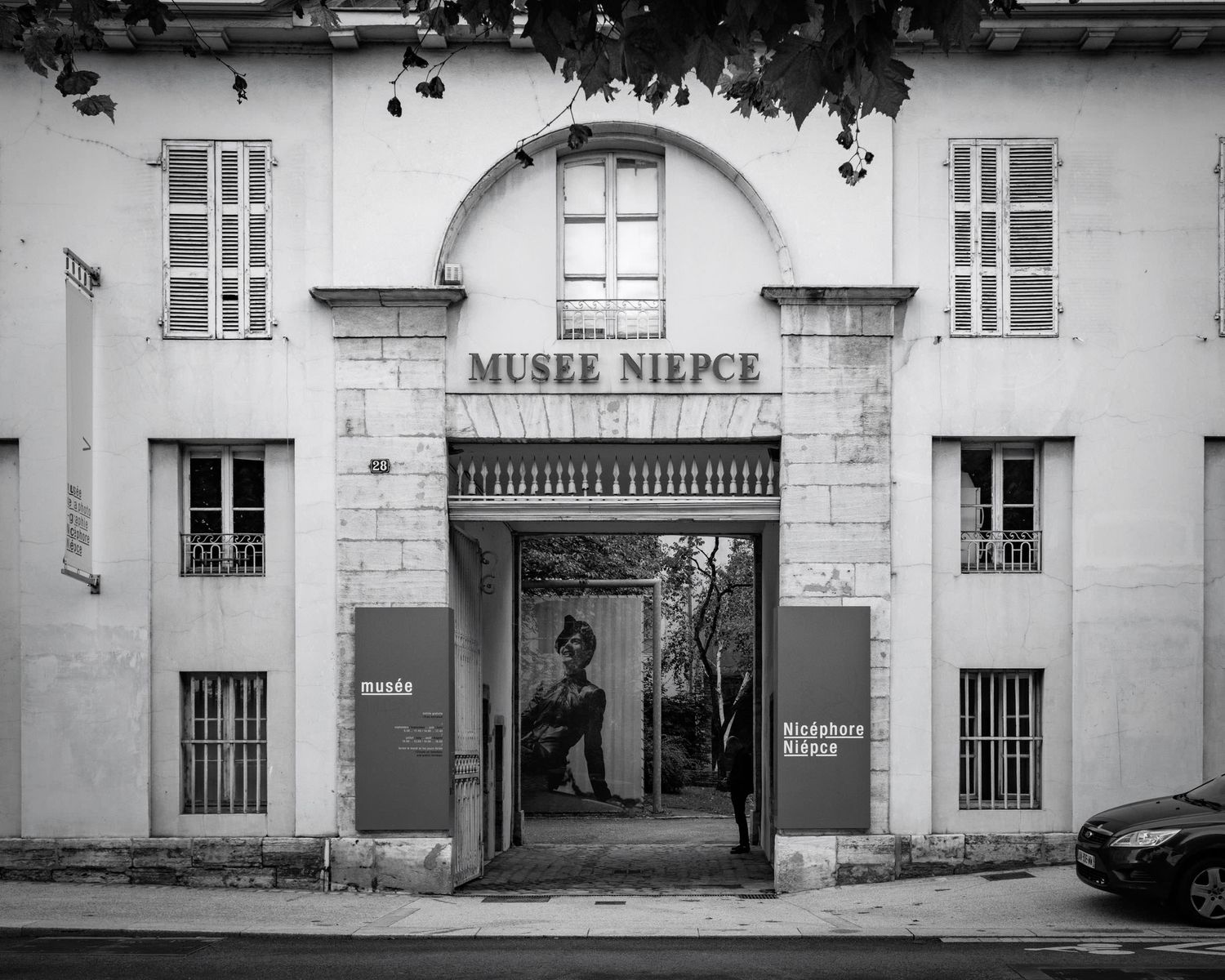
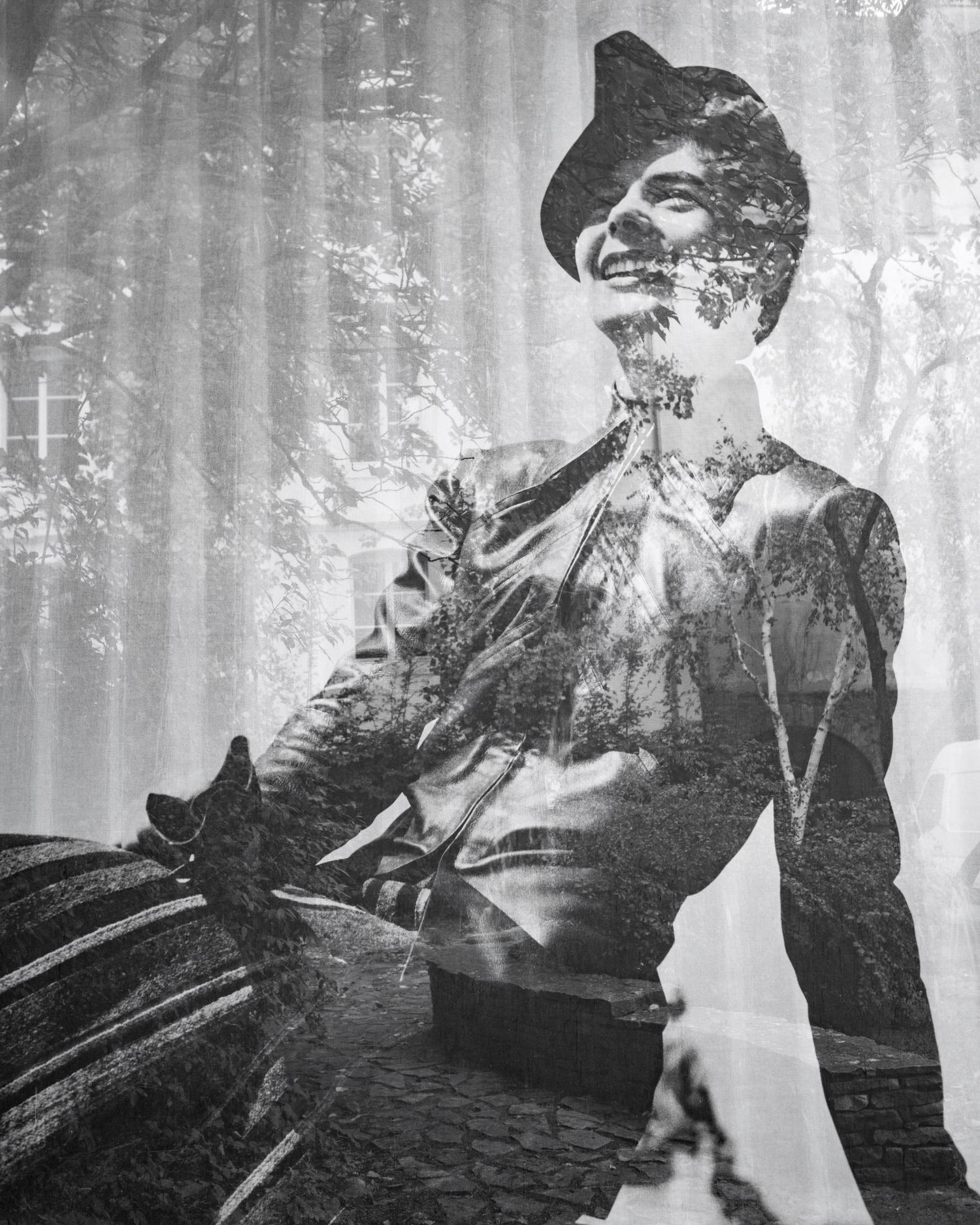
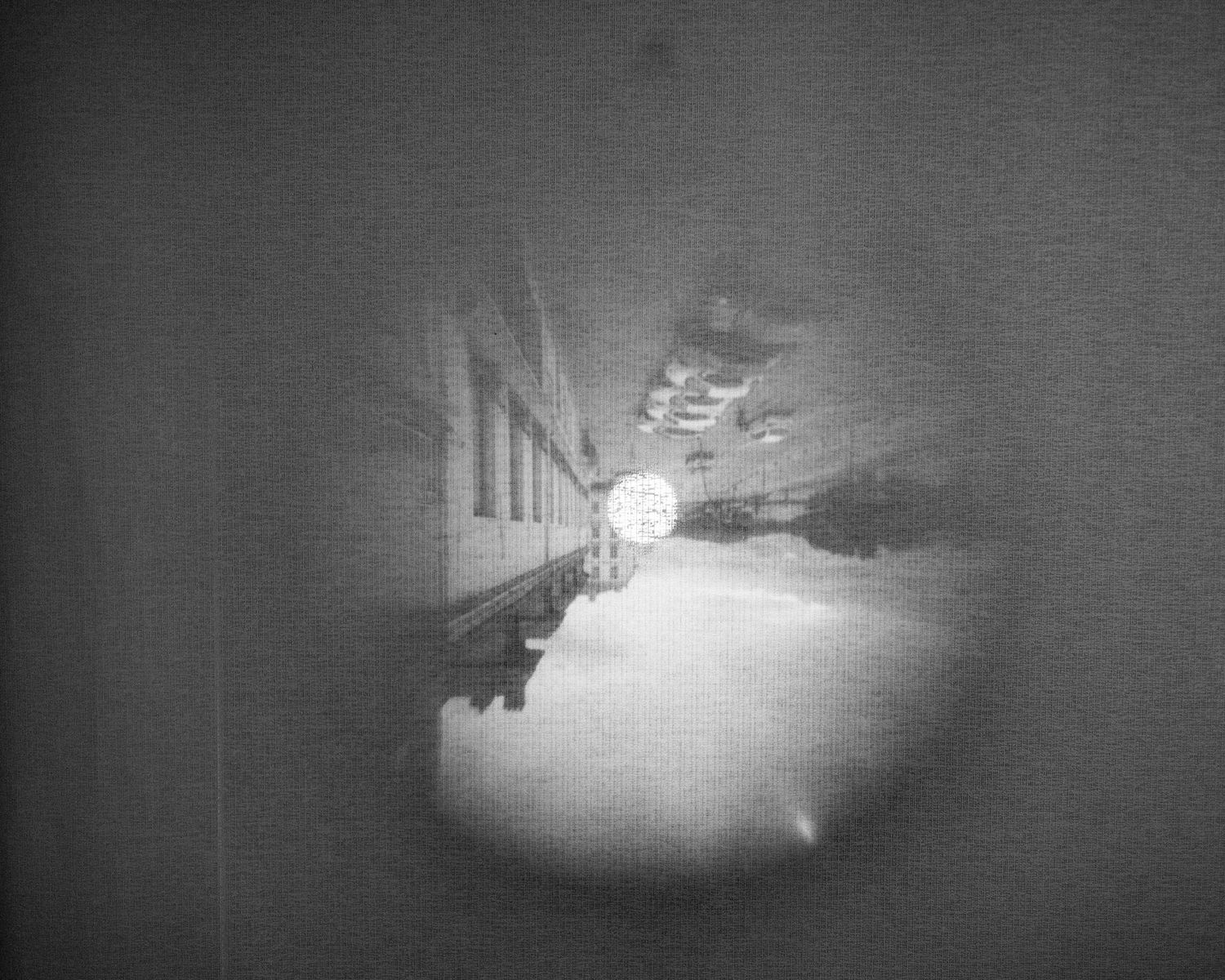
Above. Left to right. 1. The Musée Nicéphore Niépce, Chalon-sur-Saône, France. 2. Exhibition at Musée Nicéphore Niépce. 3. Camera obscura image from the Musée Nicéphore Niépce.
Photography and the Age of Exploration
By the mid-nineteenth century, photography became an important tool for documenting historical monuments and archaeological sites around the world.
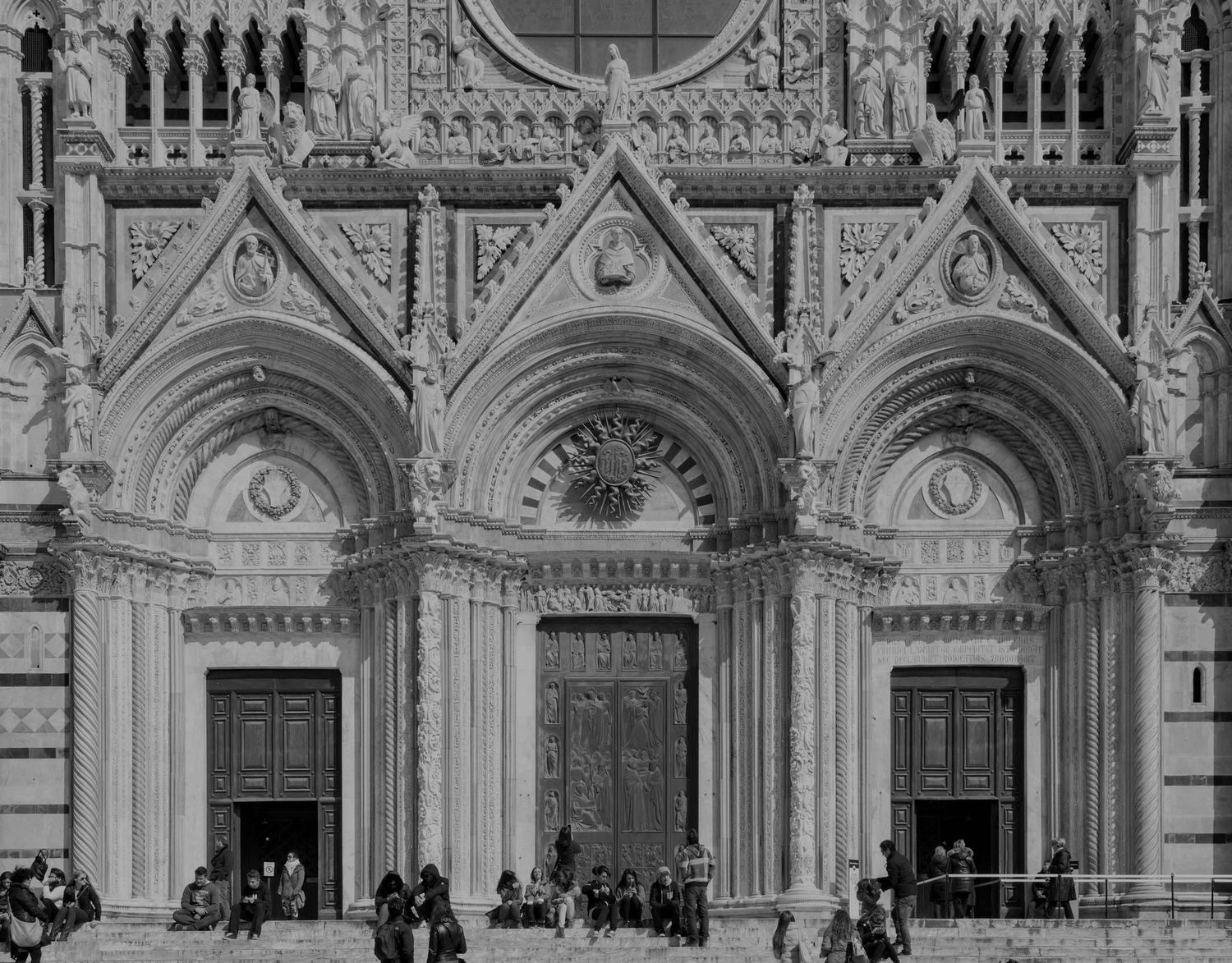
Photographers travelled extensively across Europe, the Middle East and North Africa, producing visual records of ancient temples, cathedrals and ruins. Large-format cameras and glass plate negatives captured remarkable levels of detail, creating images that served architects, scholars and governments alike.
One of the most significant projects of the period was the Mission Héliographique in France in 1851. Commissioned by the French government, photographers were sent across the country to document historic monuments and identify buildings in need of preservation. This initiative established photography as an essential instrument for architectural conservation.
The Rise of Modern Architecture
The early twentieth century brought dramatic changes to both architecture and photography.
As modernist architects rejected historical ornament in favour of clean lines and functional forms, photographers developed new approaches to represent these emerging ideas. Buildings were no longer photographed simply as records; images became tools for communicating architectural philosophy. Photographers such as Lucien Hervé, Ezra Stoller and Julius Shulman became closely associated with influential architects and movements. Their work helped define public perceptions of modern architecture.
Julius Shulman's photographs of Californian modernist houses, particularly Pierre Koenig's Case Study House No. 22, became cultural icons. Rather than merely documenting buildings, Shulman created images that conveyed a lifestyle, atmosphere and vision of the future. The photograph had become as important to architecture's success as the building itself.
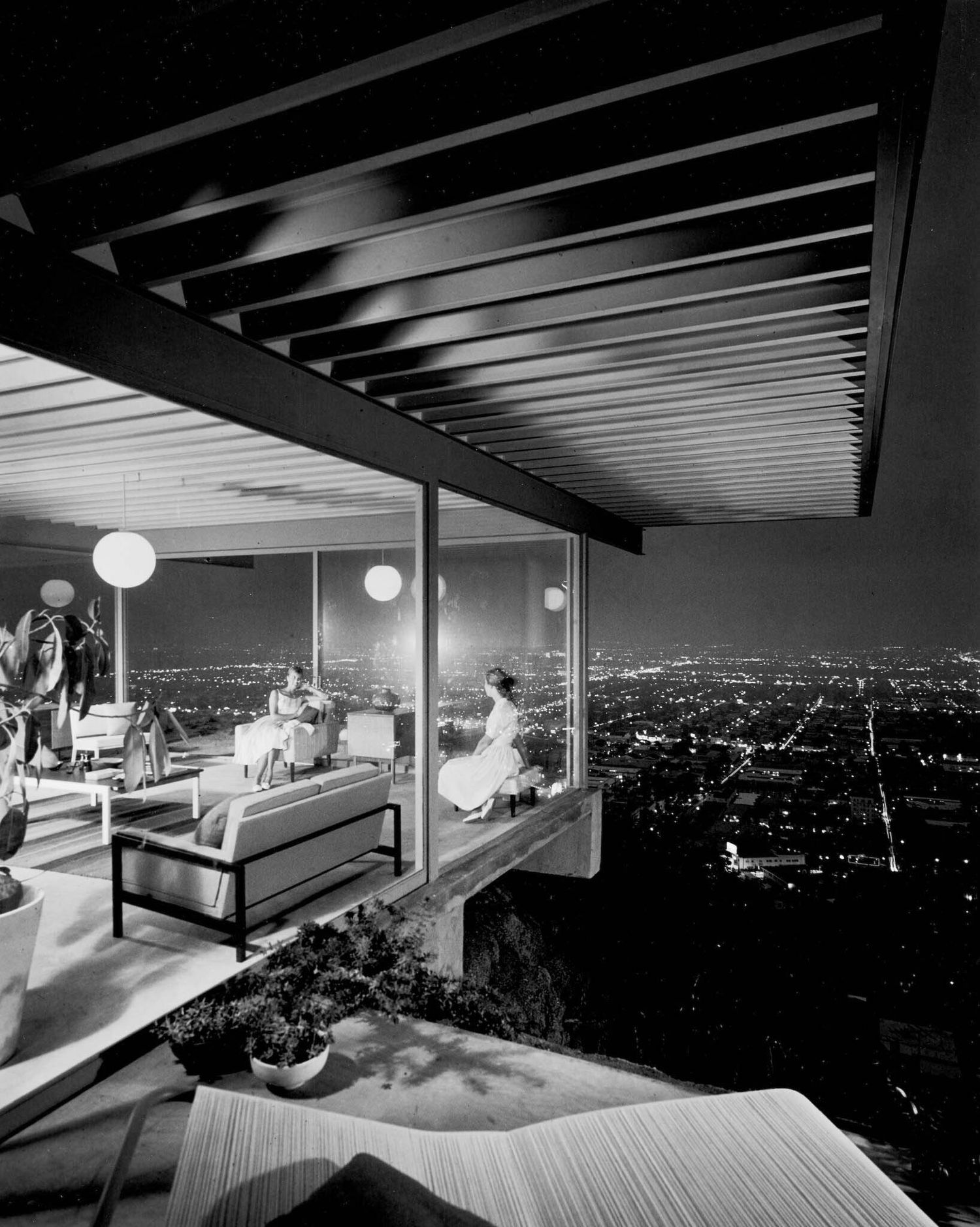
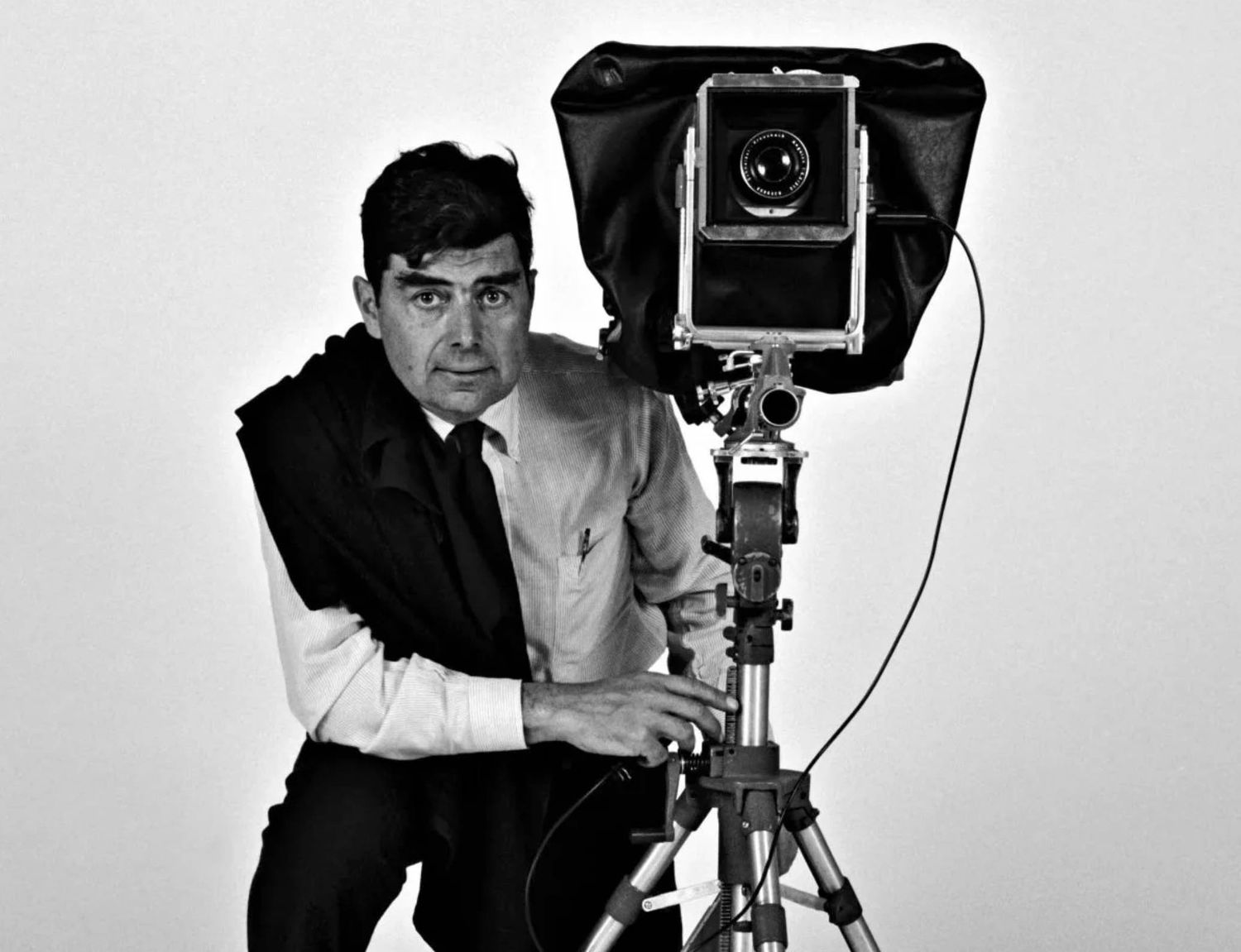
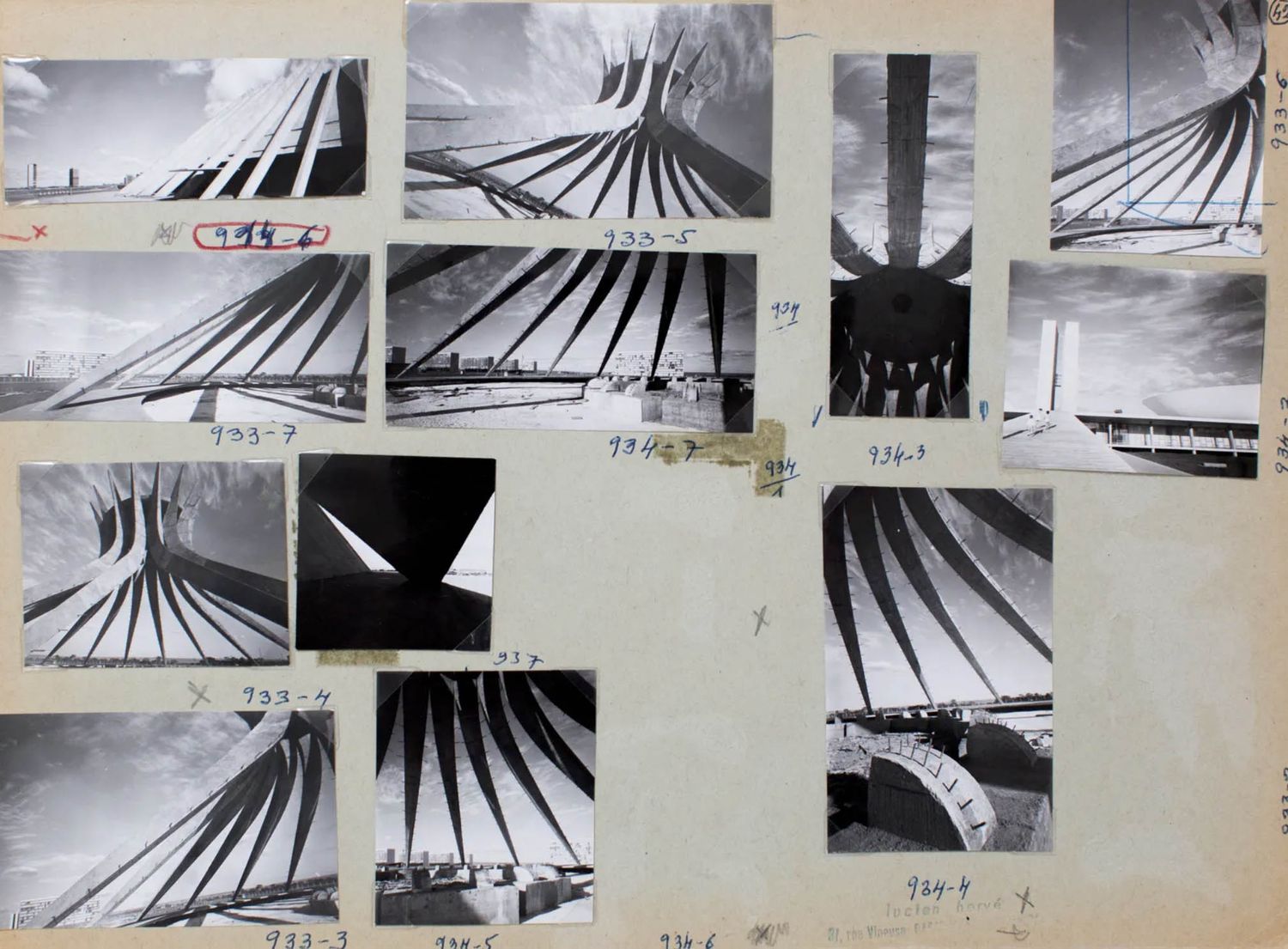
Above. Left to right. 1. Case Study House #22 by Julius Shulman 2. Ezra Stoller, American architectural photographer. 3. Brasilia Cathedral (Oscar Niemeyer) by Lucien Hervé.
The Development of Specialised Techniques
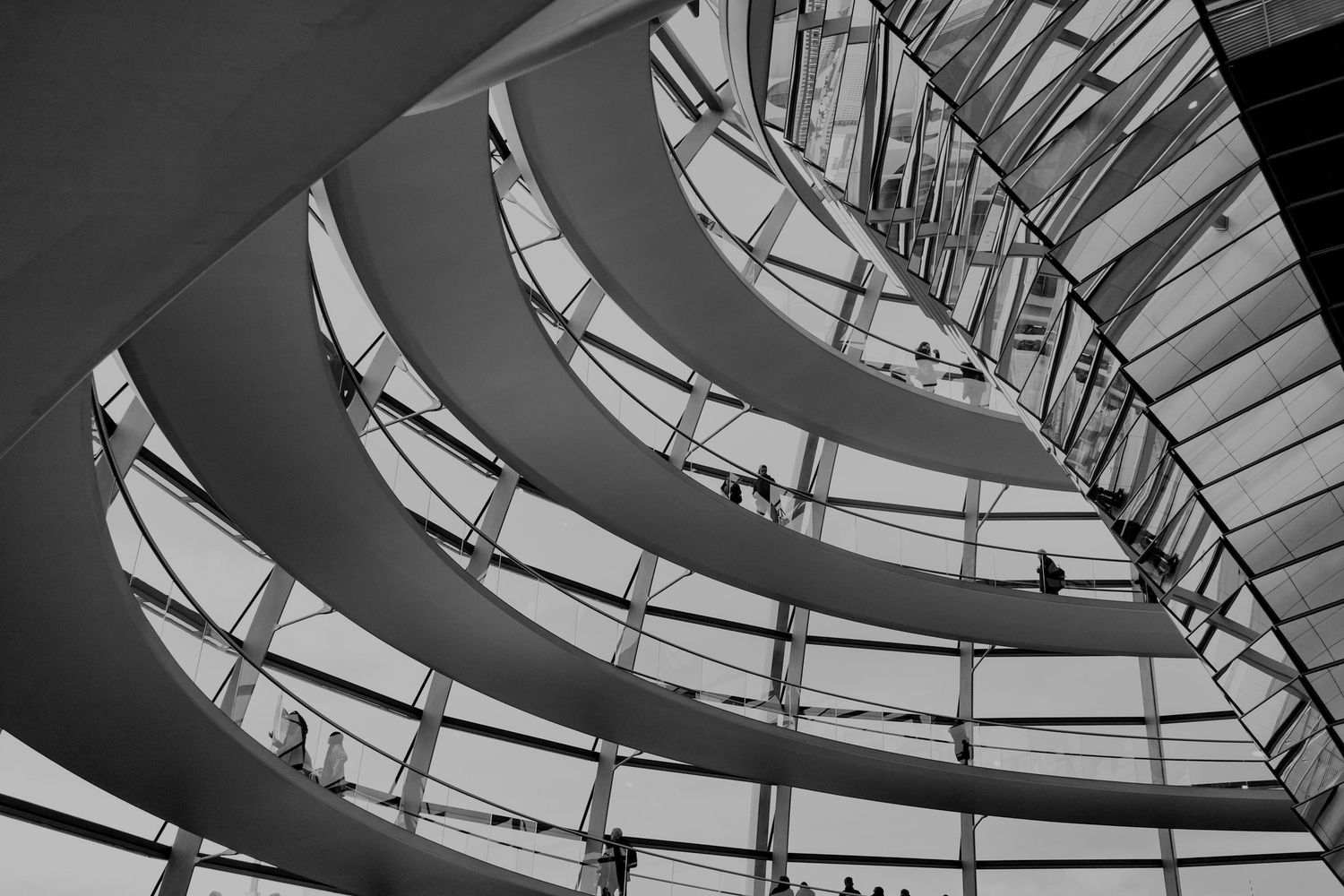
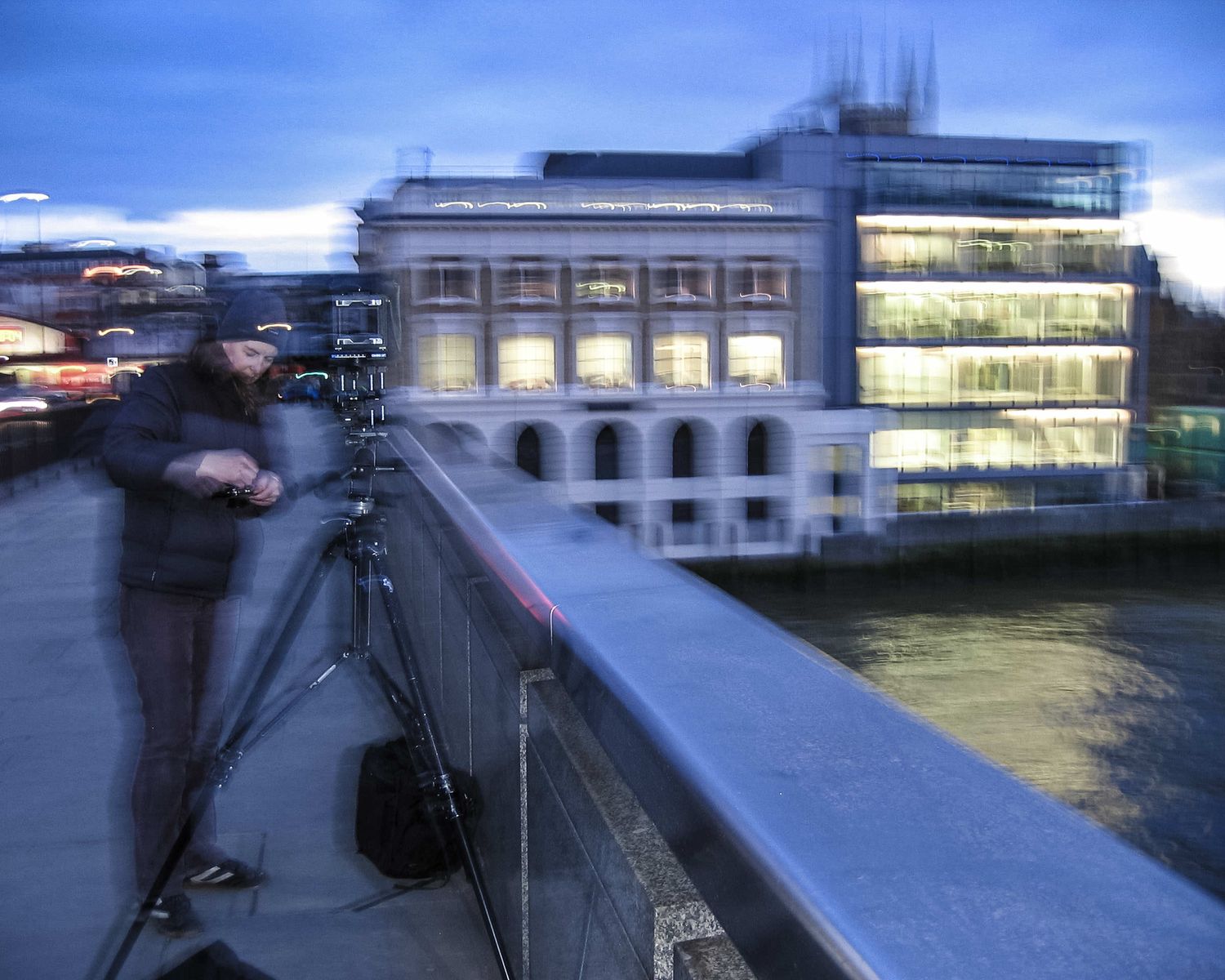
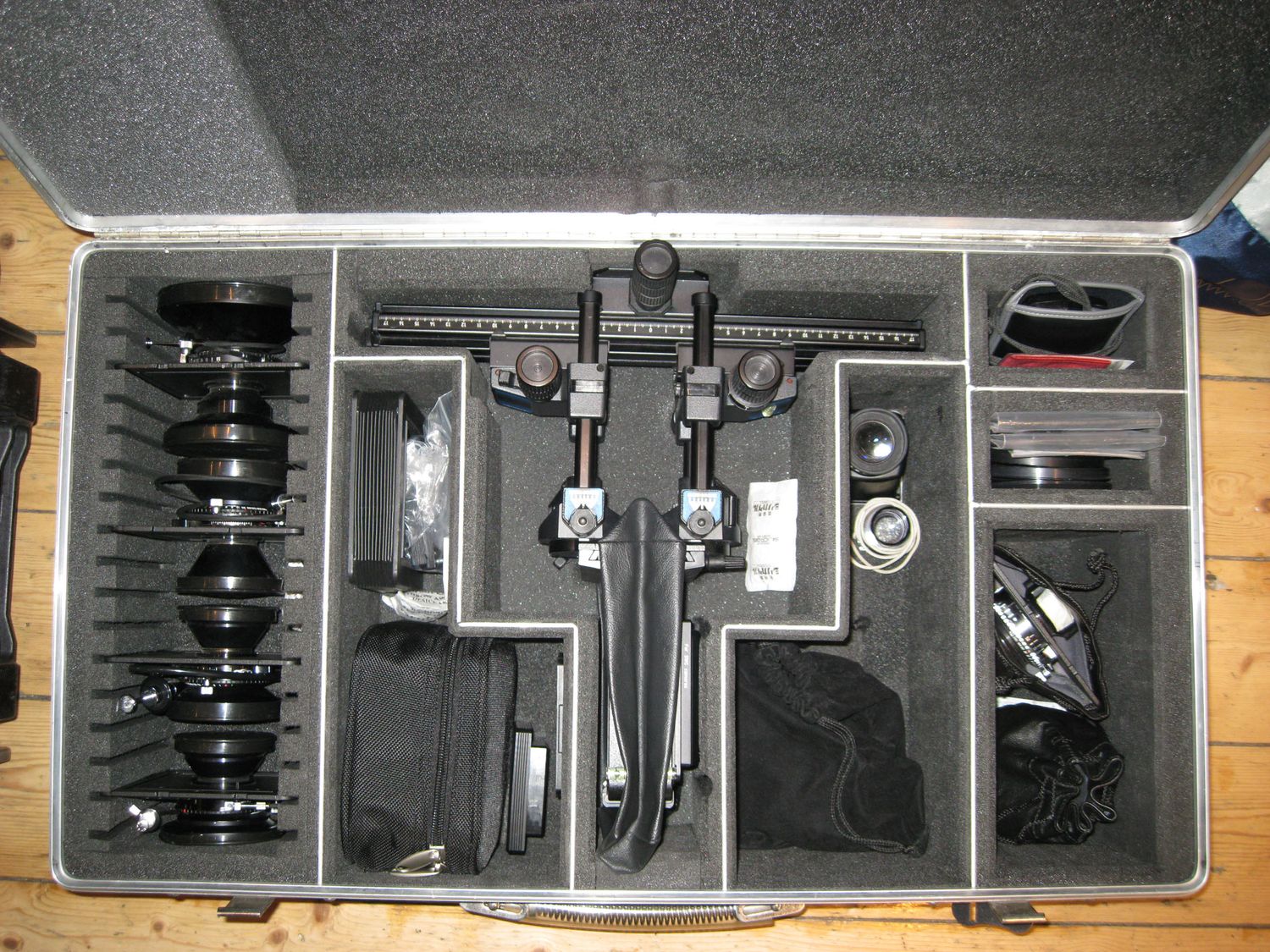
Architectural photography has always required technical expertise. Throughout the twentieth century, photographers refined methods for controlling perspective, balancing interior and exterior light, and accurately representing spatial relationships. The introduction of large-format view cameras allowed photographers to use movements such as shift and tilt to keep vertical lines straight and prevent buildings from appearing distorted.
These techniques remain fundamental today, although modern digital cameras and specialist tilt-shift lenses have made them more accessible.
The discipline increasingly demanded a combination of architectural understanding, technical mastery and artistic judgement.
The Digital Revolution
The transition from film to digital photography transformed architectural photography during the late twentieth and early twenty-first centuries.
Digital capture enabled photographers to review images instantly, work more efficiently on location and blend multiple exposures to manage challenging lighting conditions. Post-production workflows became increasingly sophisticated, allowing for precise colour correction, perspective adjustment and image refinement.
At the same time, advances in printing, publishing and online media dramatically expanded the audience for architectural imagery.
Architectural photographs were no longer confined to books and magazines. They became central to websites, digital marketing, social media and global design publications.
Architectural Photography Today
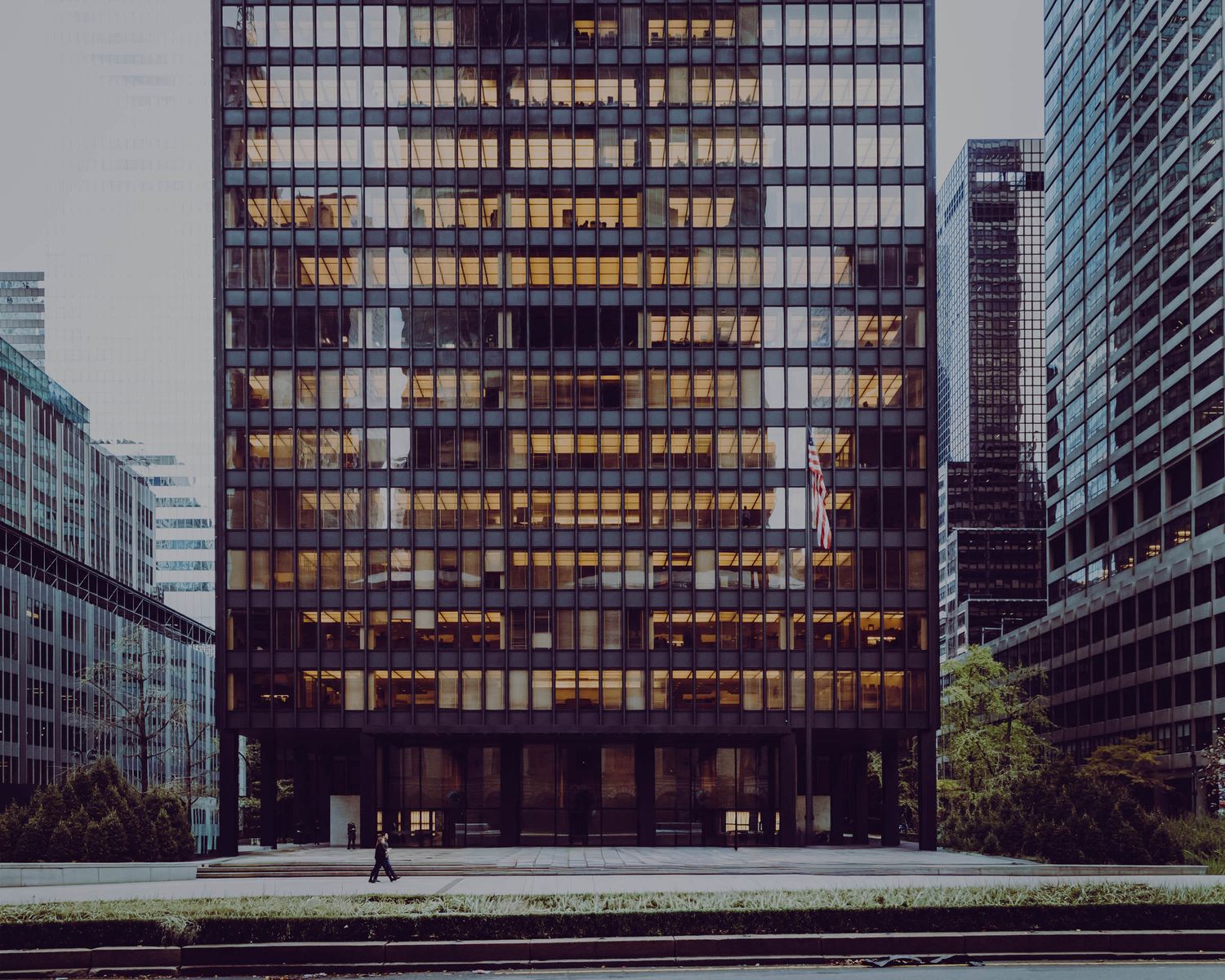
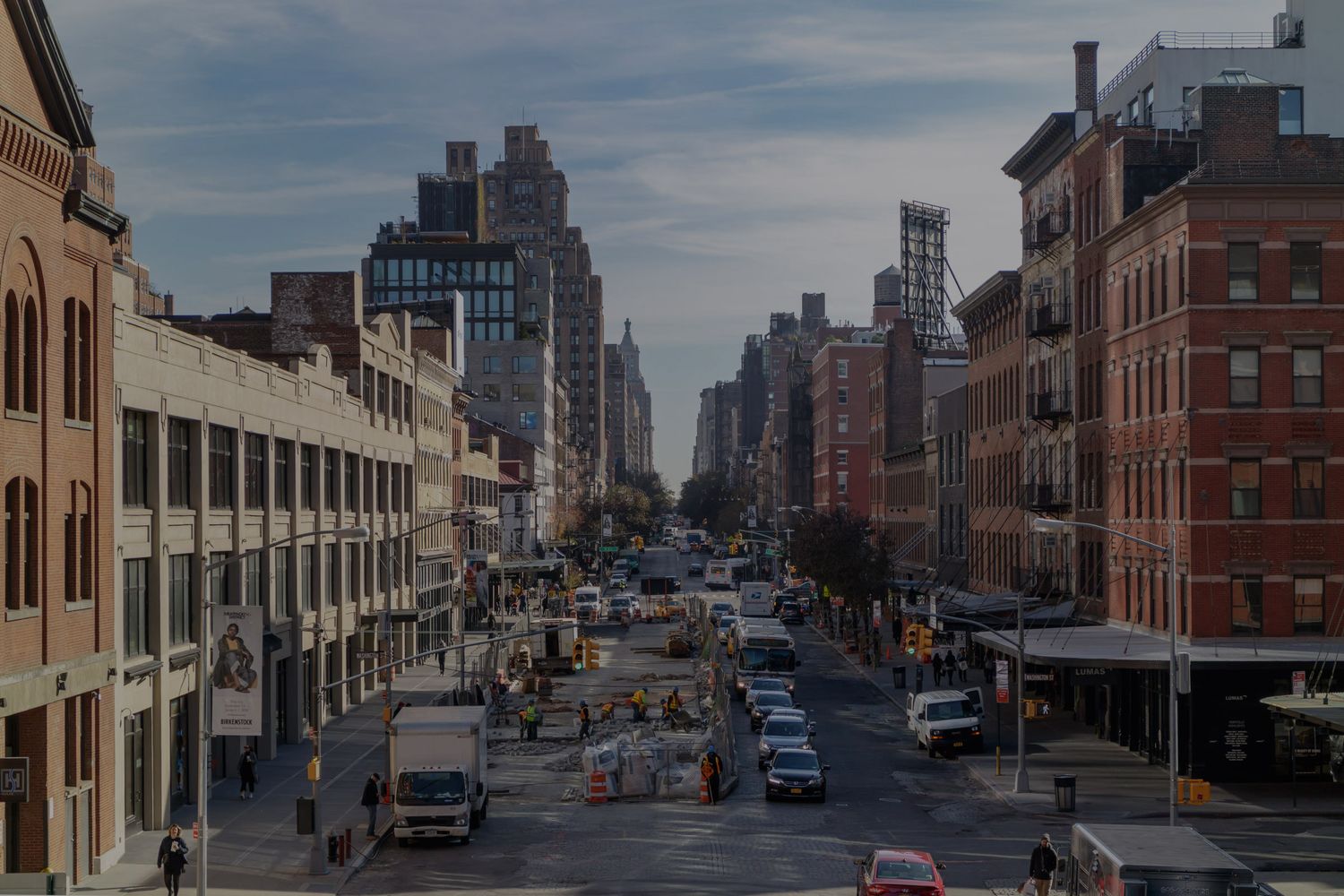
Contemporary architectural photography extends beyond simple documentation. Clients increasingly seek imagery that communicates experience, atmosphere and human interaction with space.
Modern practitioners such as ourselves, combine still photography, drone imagery, video production and motion content to create comprehensive visual narratives. Sustainability, urban change and the relationship between architecture and communities have also become important themes.
While technical excellence remains essential, today's most effective architectural photography aims to reveal how spaces are used, inhabited and understood.
The discipline now occupies a unique position between architecture, art, design and storytelling.
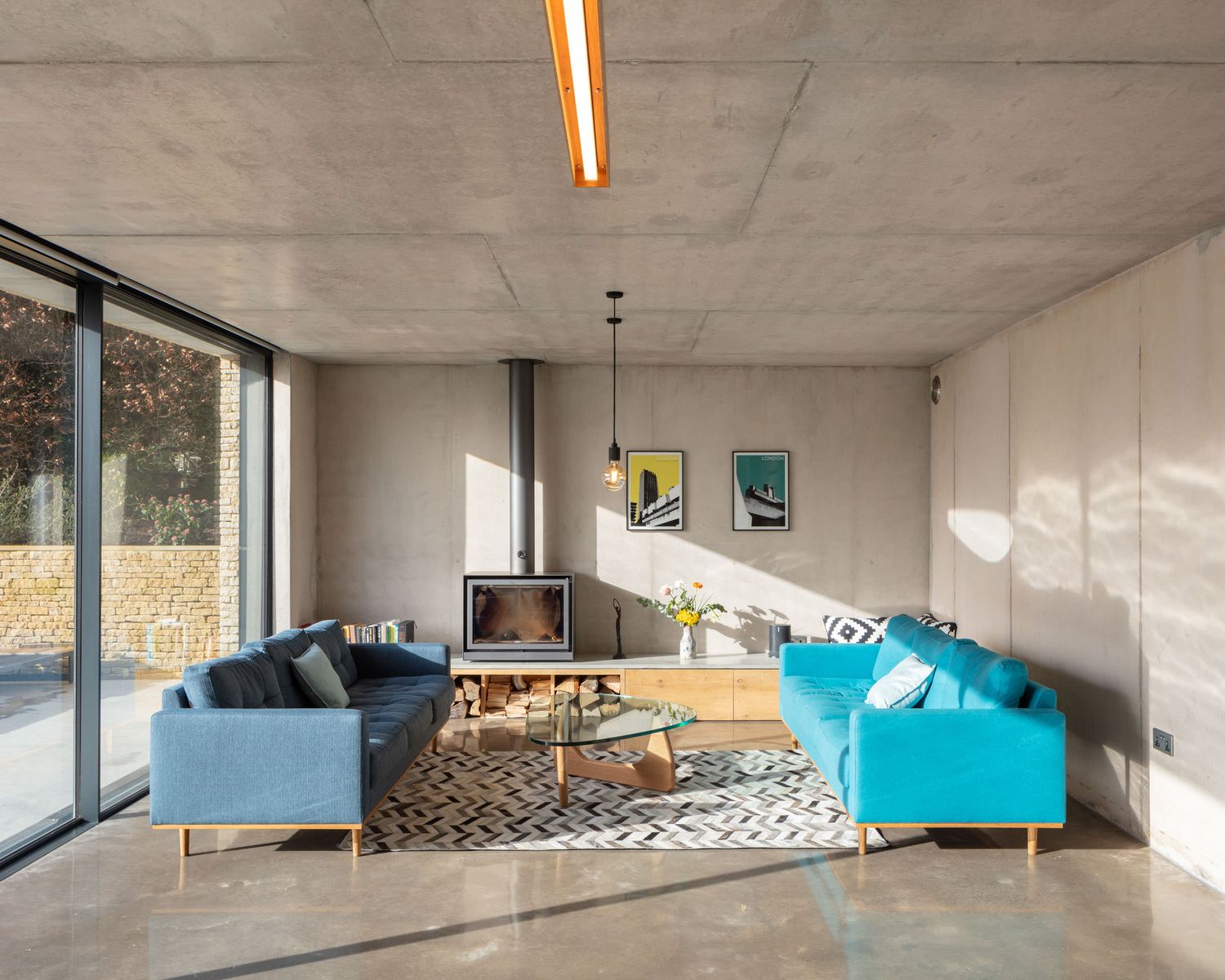
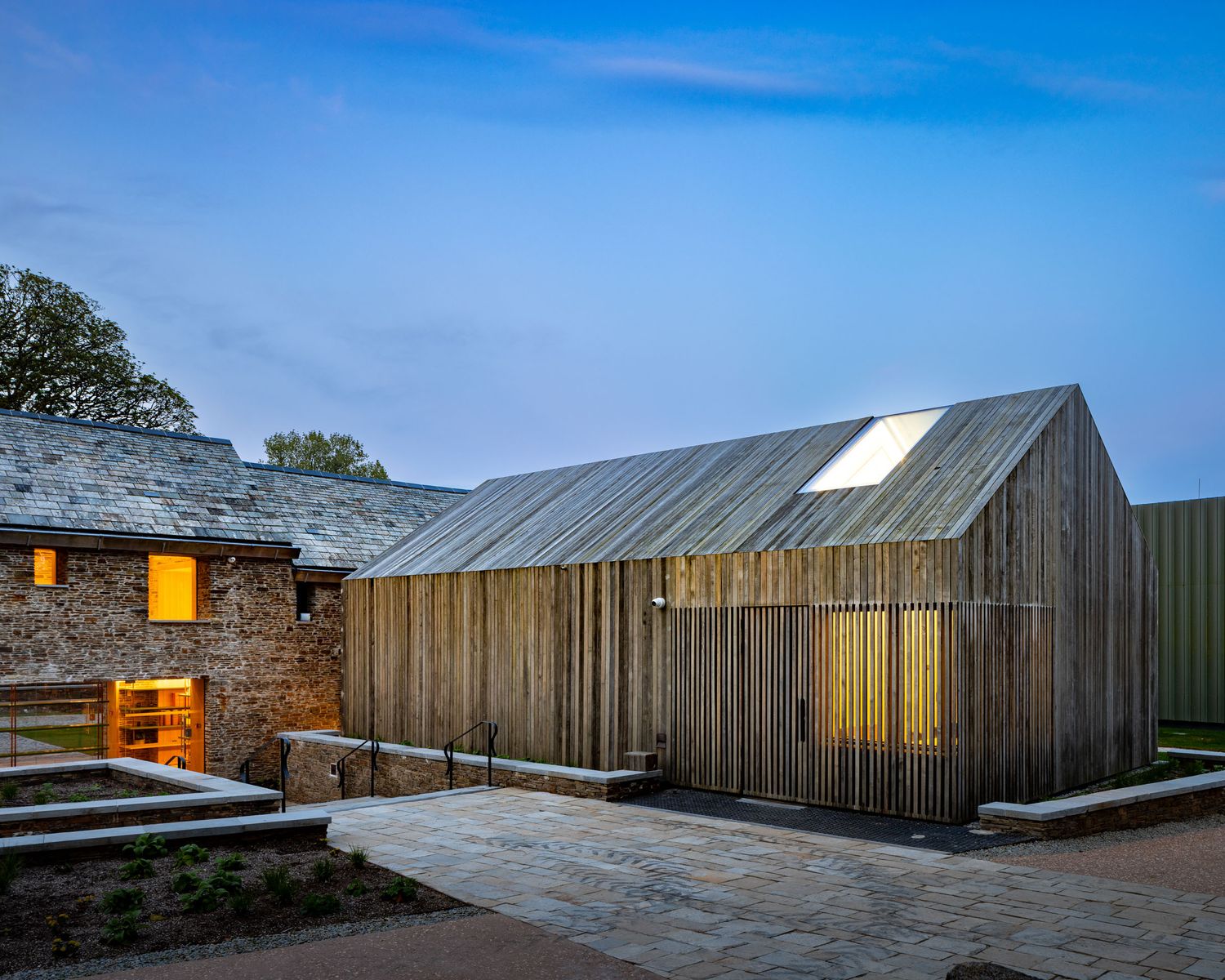
Above. Left to right. 1. Private House, Wiltshire. 2. The Story of Emily Hobhouse museum, Cornwall.
Looking Forward
As technology continues to evolve, architectural photography is likely to expand into new forms of visual communication, including immersive media, virtual environments and AI-assisted workflows.
Yet the fundamental goal remains unchanged from the earliest photographs of the nineteenth century: to capture the character, design and significance of the built environment. Whether documenting a historic cathedral, a modern workplace or a private residence, architectural photography continues to shape the way we experience architecture, often becoming the lasting image through which a building is remembered.
At Fotohaus, we see architectural photography as more than documentation. Every building tells a story through light, materiality, context and human experience. Our role is to create images that communicate those qualities with clarity, precision and visual impact.