I was thinking
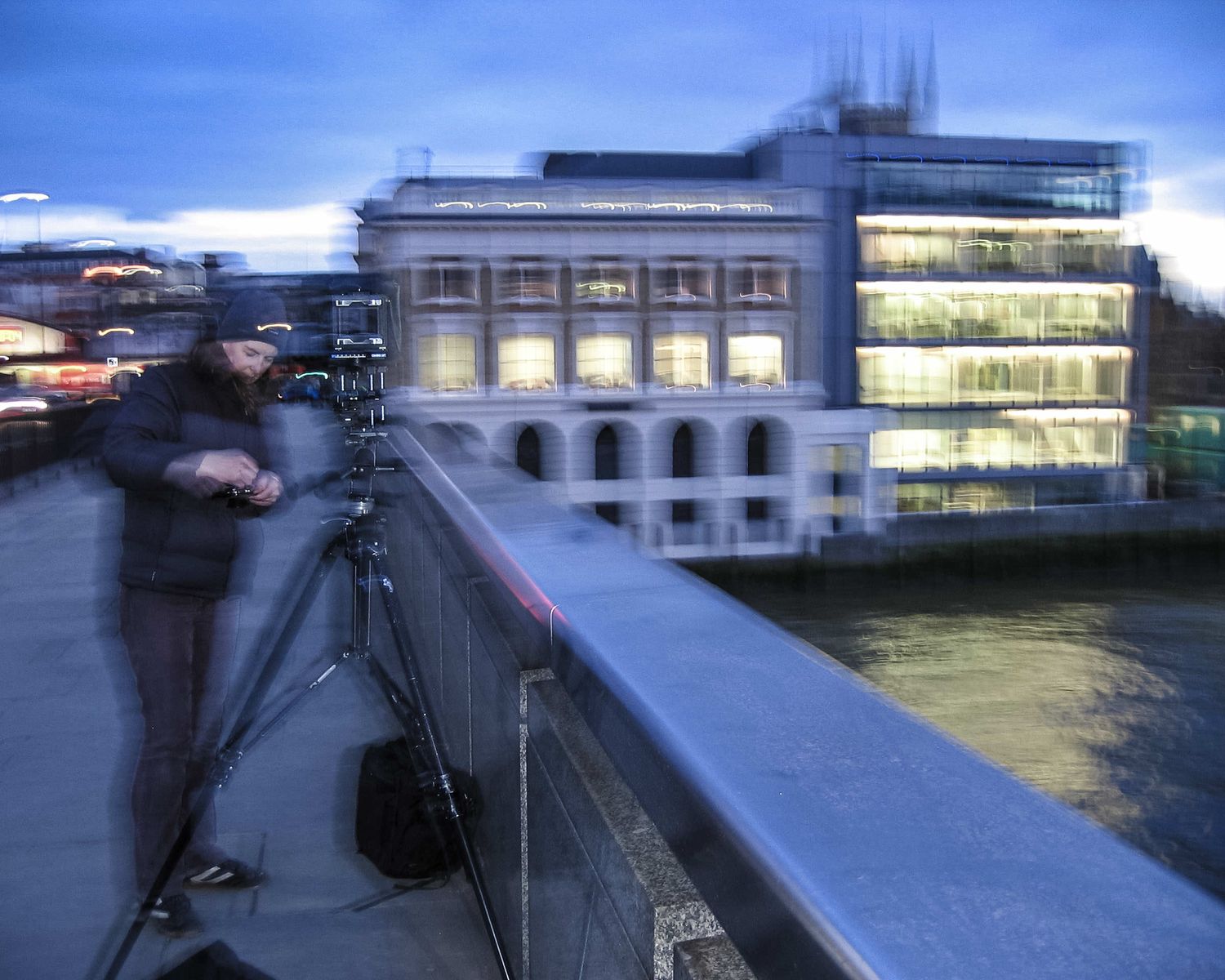
back on documenta 14 in Kassel, Germany, I stayed in the lifeguard's house at an open-air pool near Wilhelmshöhe. It was one of my first big commissions after maternity leave. With a team of photographers, I lugged my trolley case and tripod across the city to document a long list of installations.
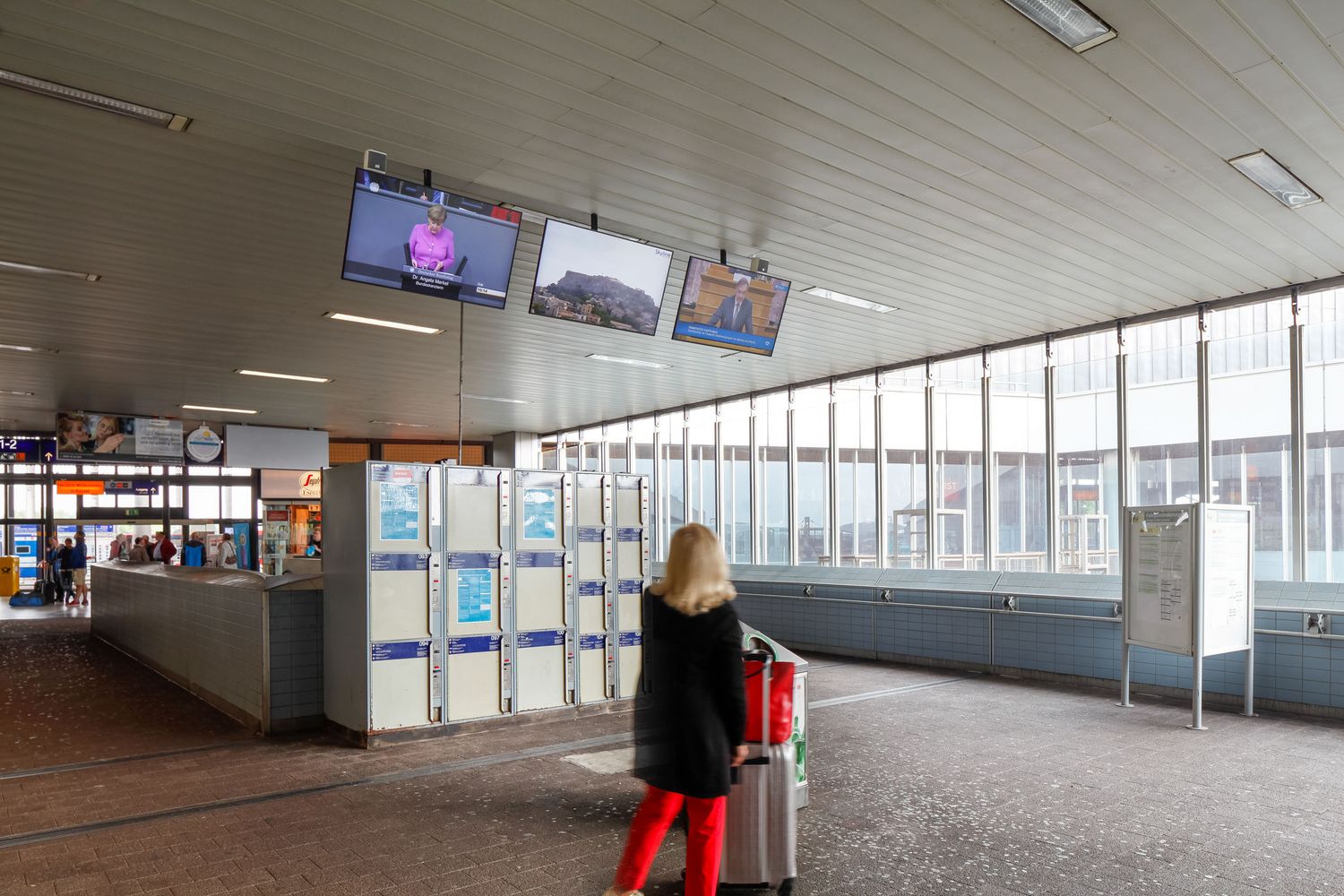
One of my assignments was David Lamelas' Time as Activity: Live Athens–Berlin at Kassel-Wilhelmshöhe station: three screens streaming live from the German parliament, the Greek parliament and the Acropolis. On site, I could see it was a challenge. The scene that would show the work in context mixed a pale green fluorescent light, neutral daylight, and the varied output of the screens, which had to appear exactly as they were. Our eyes handle this variety effortlessly, with the brain constantly adjusting. A camera needs to be adjusted. So I shot at several colour temperatures and rebuilt the scene the way you would actually see it standing there. A female passer-by in bright red trousers walked through one of my frames: exactly the pinch of spice the dreary station hall needed.
documenta was established to reconnect post-war Germany with international modern art, and to show works that had been banned by the Nazi regime. It has become one of the most prestigious shows of contemporary art in the world.
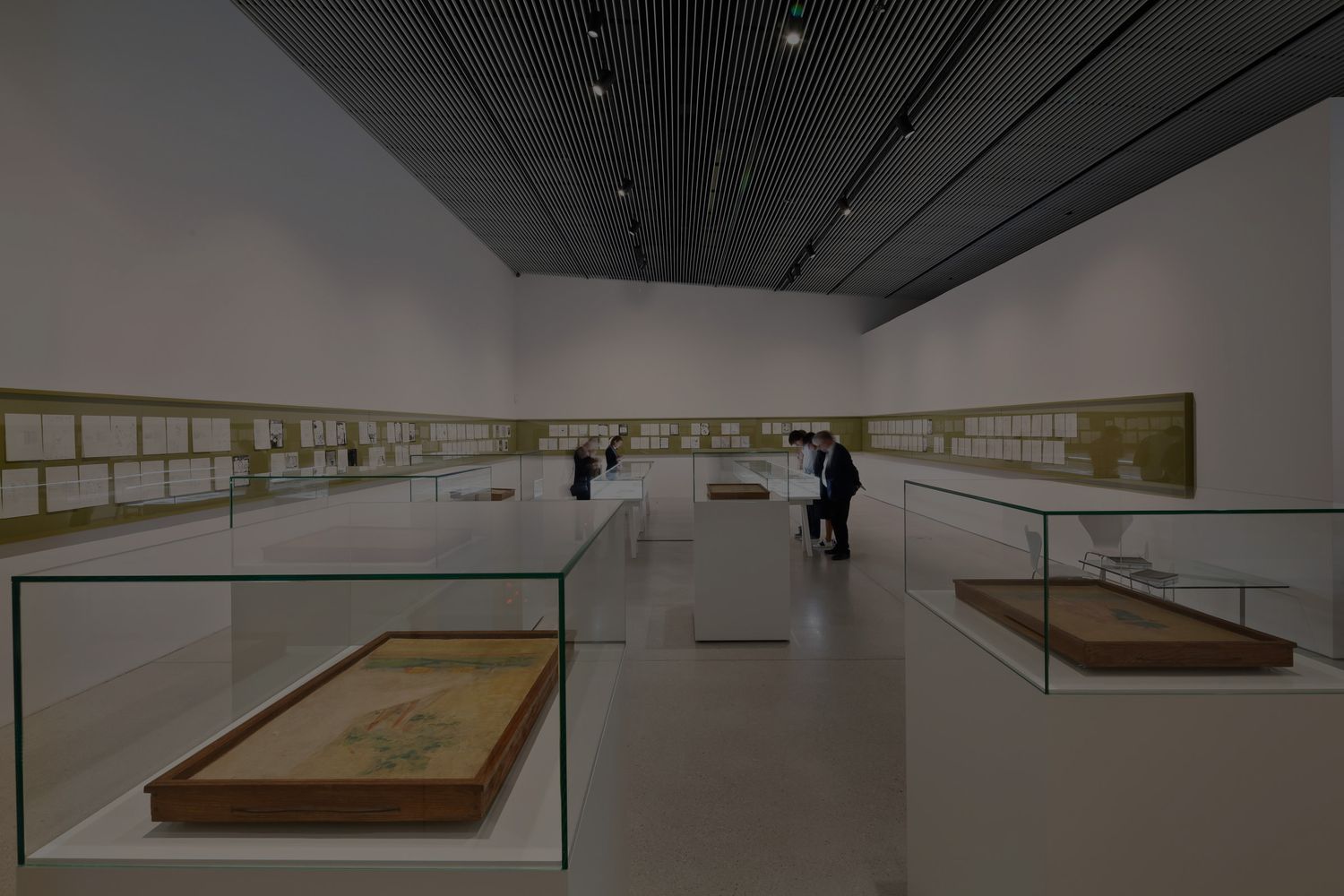
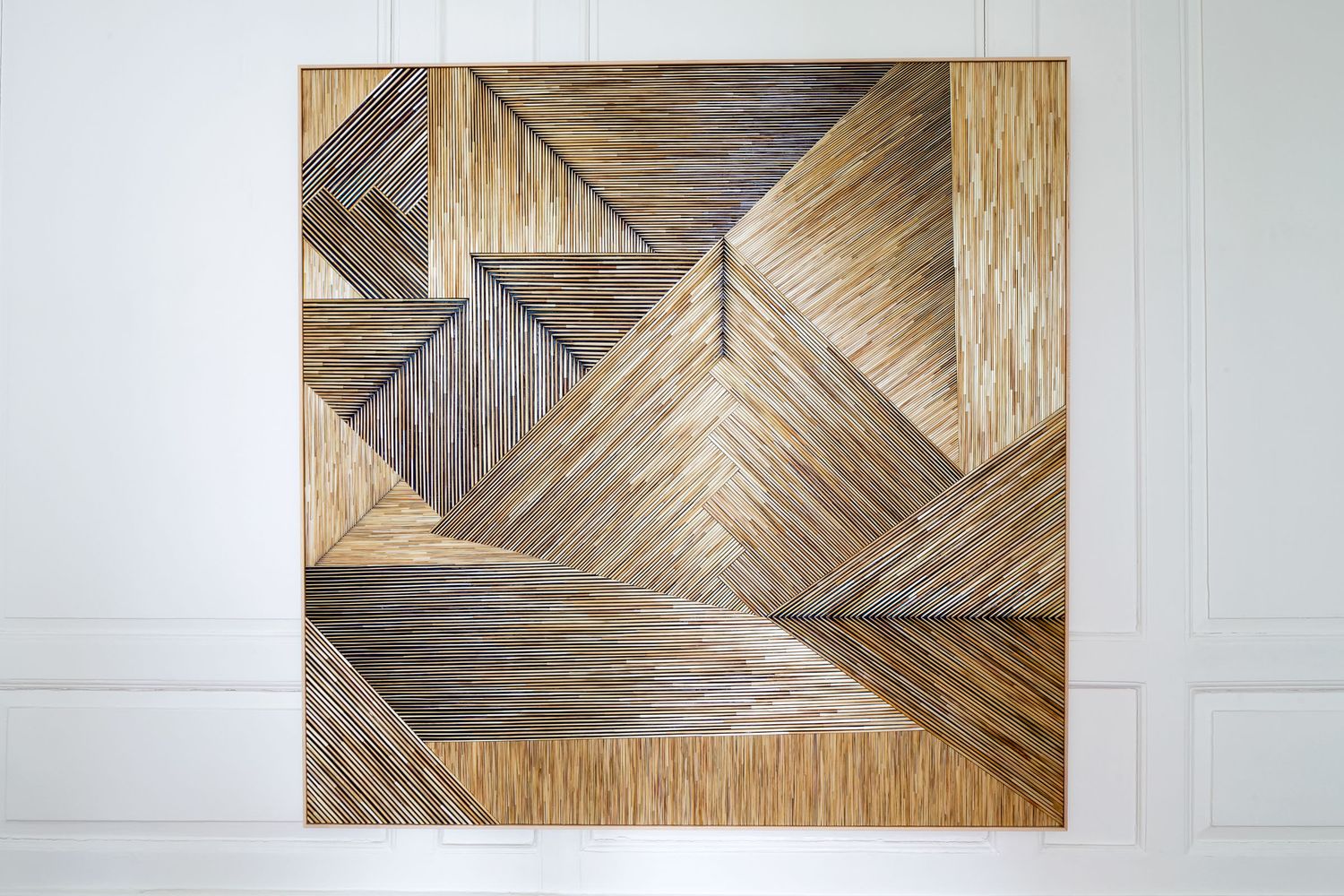
The same applied to Olaf Holzapfel's hay and straw works, which can look strange under artificial light. The brief is to show them as they really are.
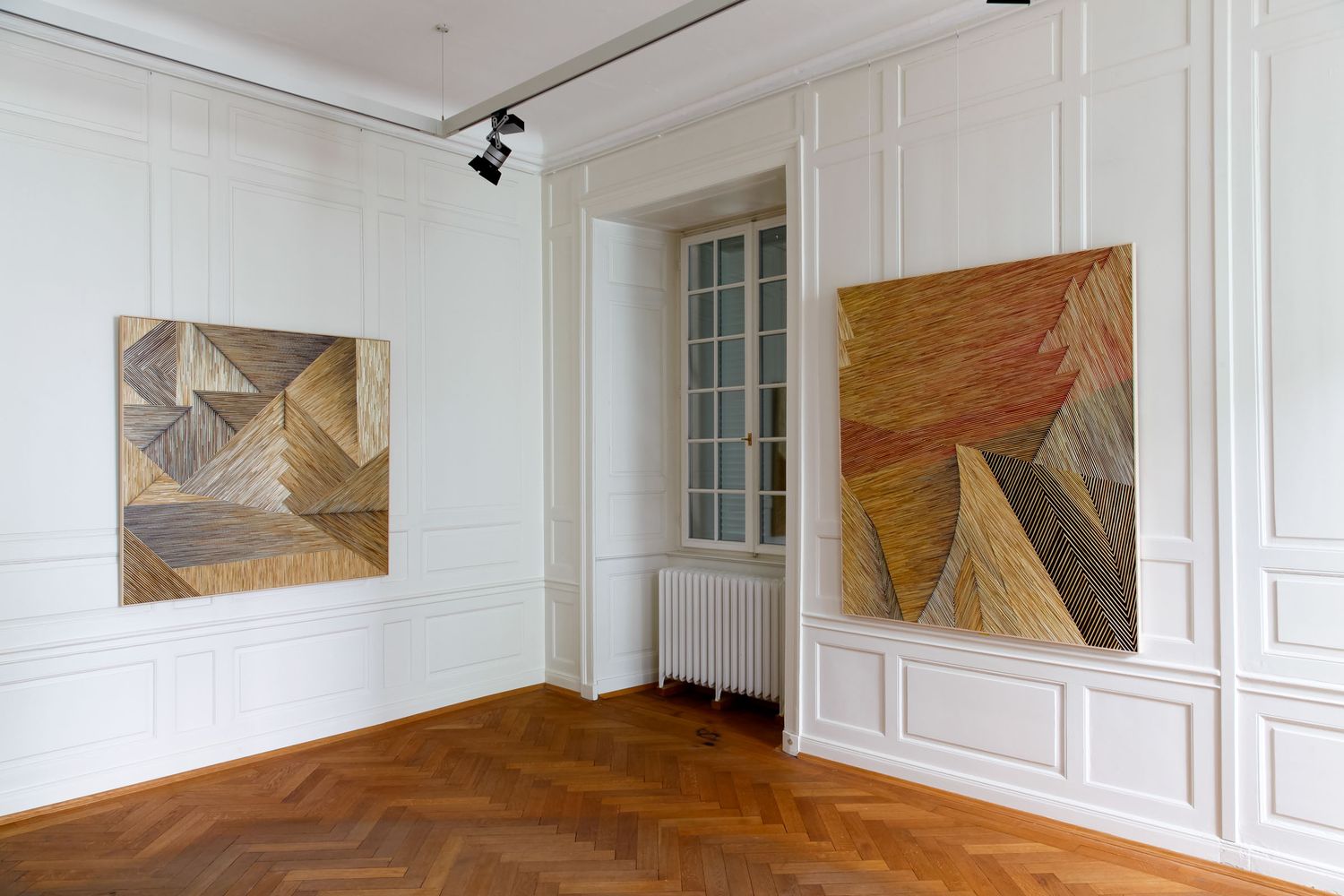
After 100 days, documenta is disassembled.
The photographs remain, and they become the exhibition's memory. This is a satisfying part of making photographs for the archive.
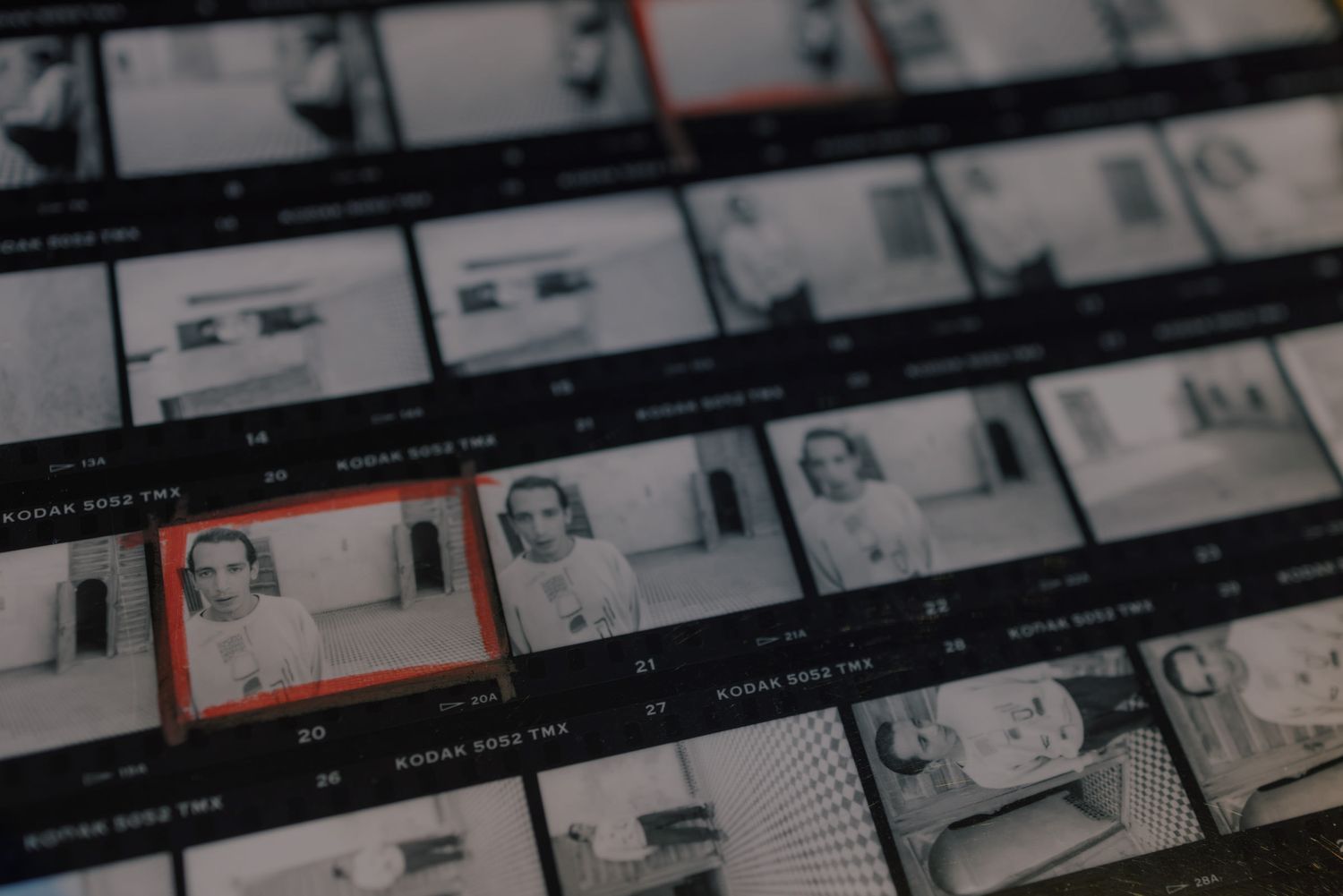
This applies to your life’s work as a photographer. I first saw the importance of the archive at Arcaid, a London architectural picture library. Among other work, I scanned film from the archive and admired the images of a great many photographers, including founder Richard Bryant and Richard Einzig, who photographed 22 Parkside in 1969. That's the house Richard and Su Rogers designed for Rogers' parents in Wimbledon, which has just passed into the care of the National Trust. I remember admiring scans of Hedrich Blessing's classic city portraits of Chicago. A 4×5 slide is one of a kind. You can duplicate it, but it stays fragile. Each scan made the whole collection a little more future-proof.
What I learnt at Arcaid shaped the way we built Fotohaus: IPTC data in every file, so author and rights travel with the image; large TIFF masters in the archive, from which web, press and print versions are made; calibrated monitors, ICC profiles and a grey card on shoots to help reproduce reliable colour on screen.
As an archivist and a photographer, you are ultimately concerned with care infront of and behind the camera. Working close to irreplaceable originals, whether in a museum or a private home, teaches you that careful handling and observation is the first step of preservation.
For curators and exhibition makers, images that work not just for the opening, but in the catalogue, the archive and ten years from now are vital.
You can check out my photograph of Lamelas' work, passer-by in red trousers and all, amongst the whole show on documenta's own archive page.
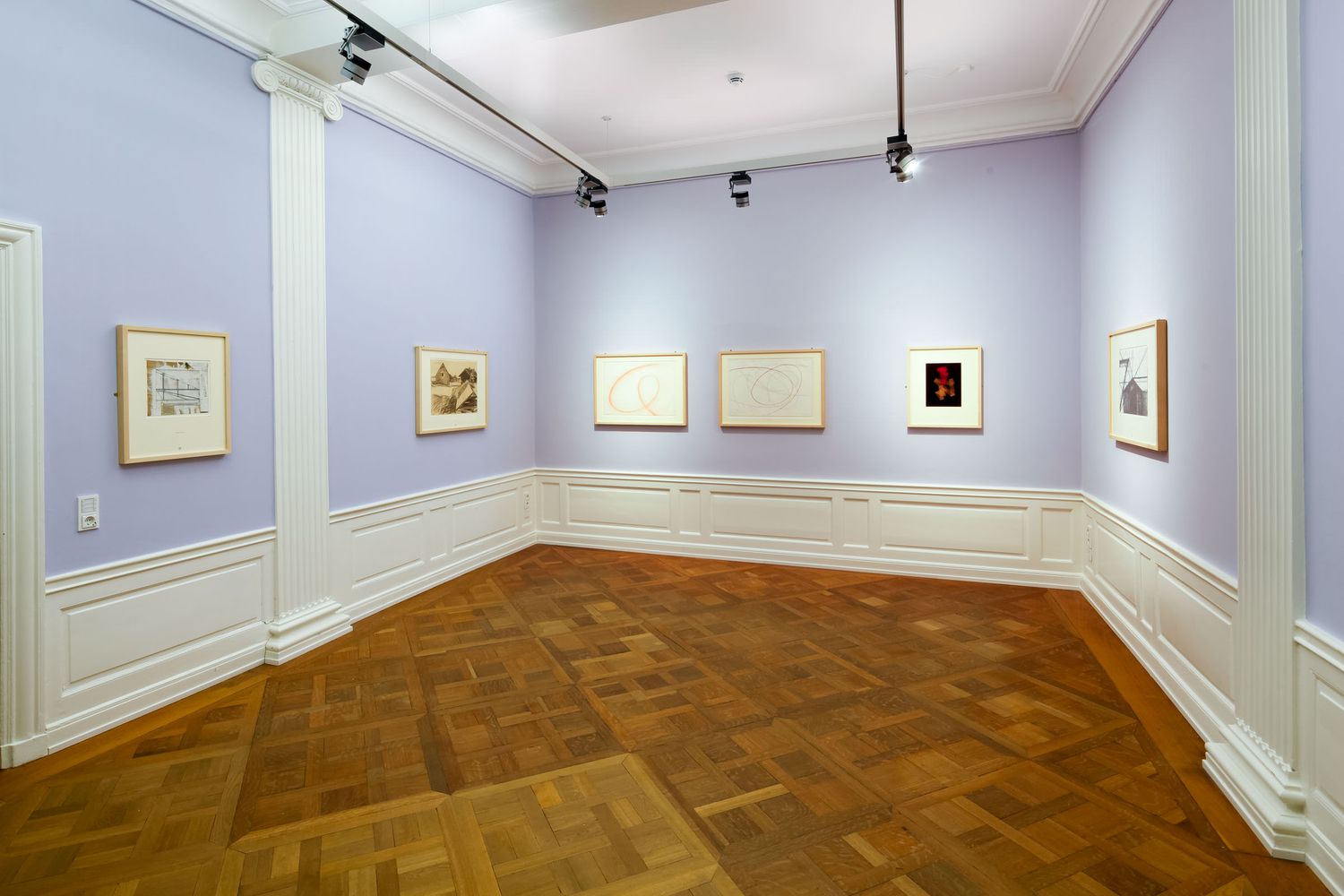
documenta 14
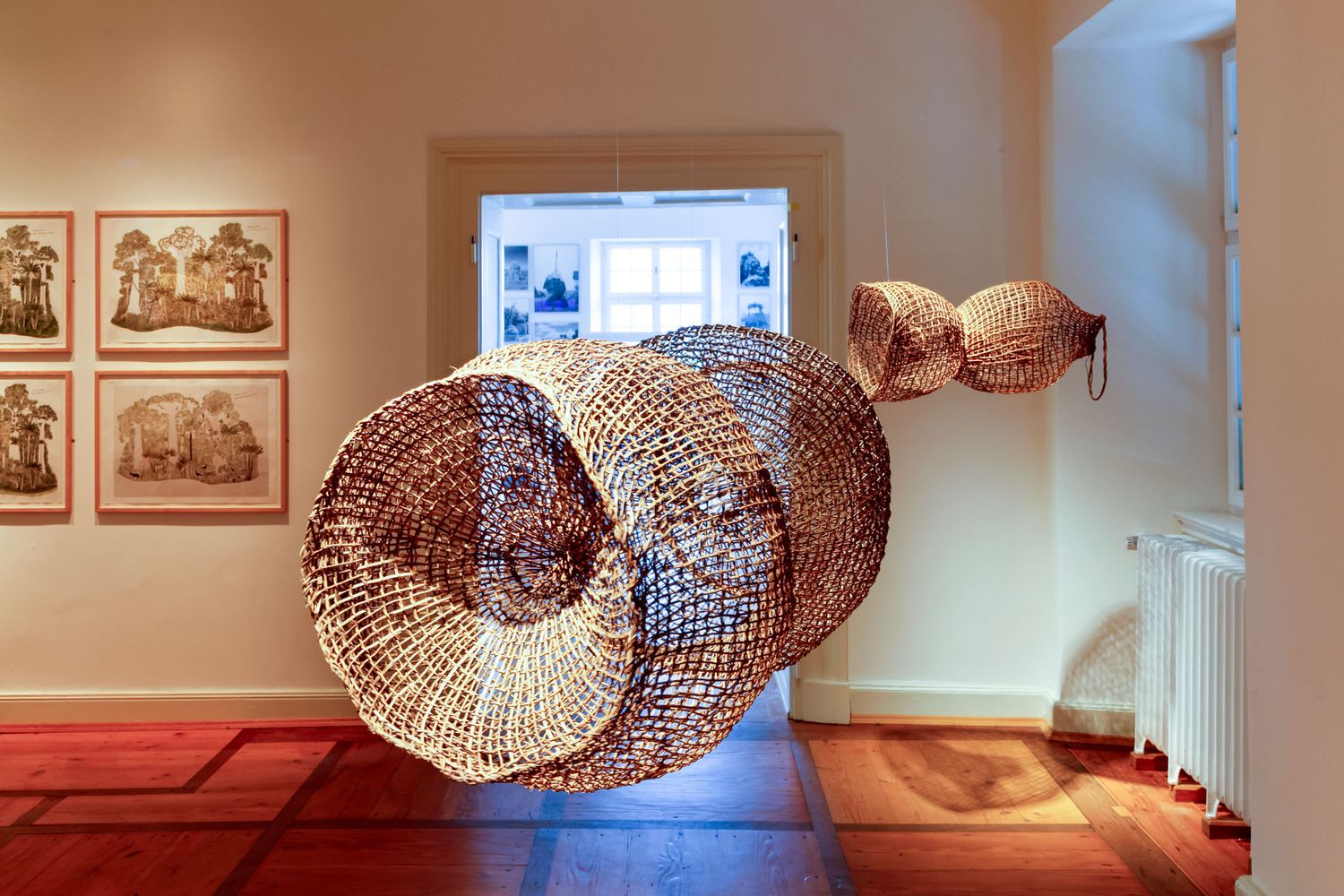
documenta 14
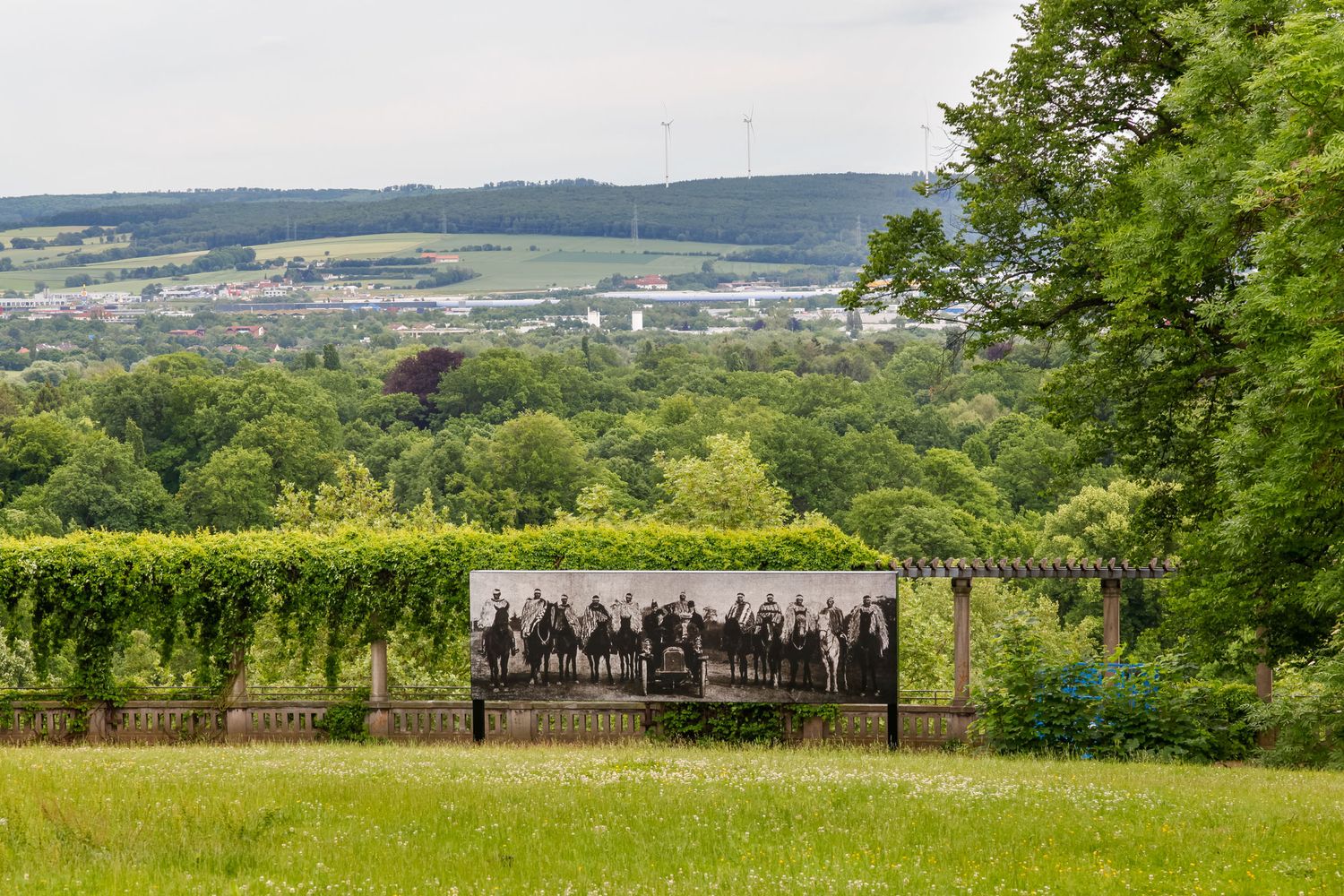
documenta 14
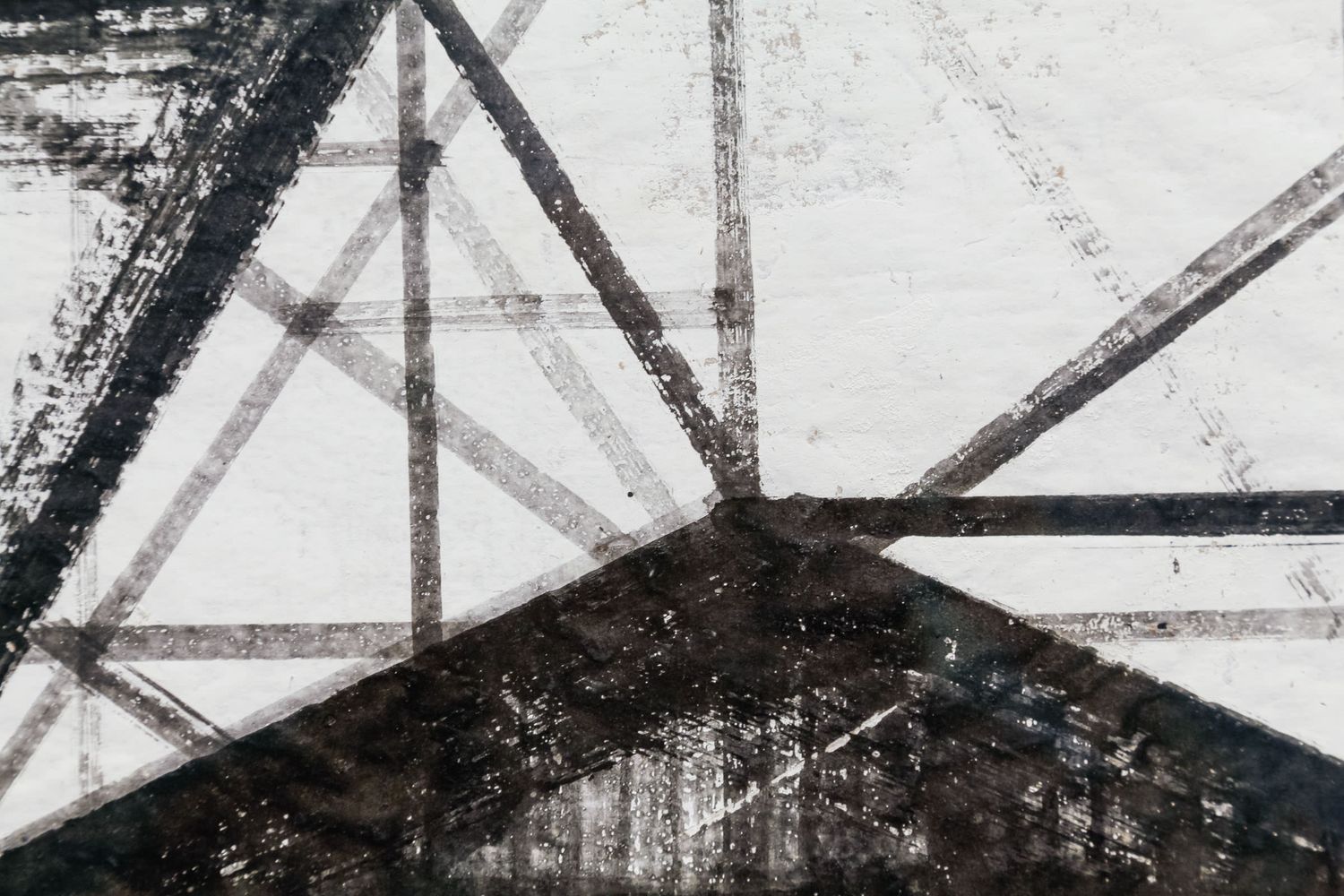
documenta 14
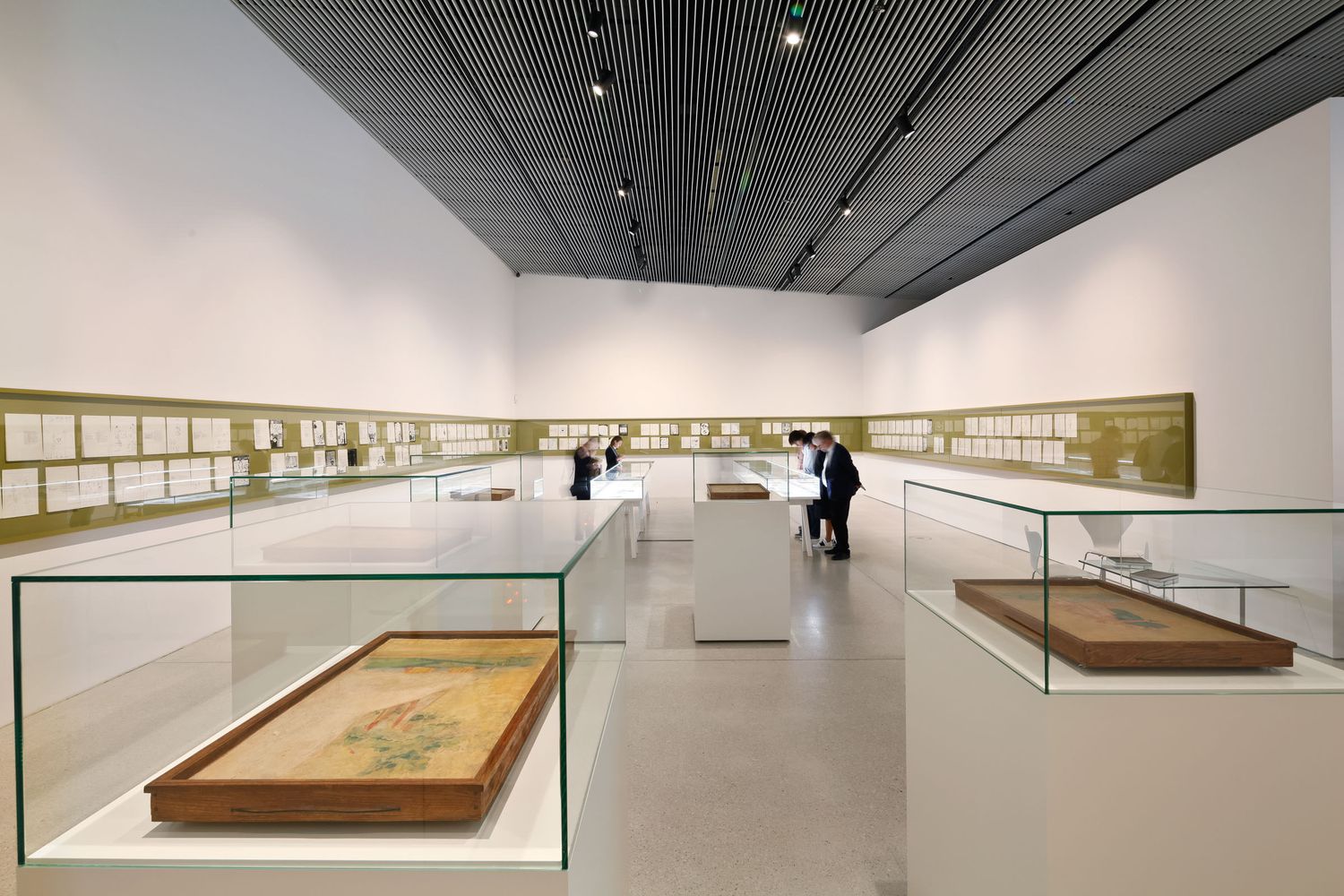
documenta 14
About the author
Liz Eve is an architectural photographer, journalist and sustainability specialist at Fotohaus Berlin. Her writing and photography explore architecture, environmental change and the future of the built environment.