Jay Myself is a documentary about the life and works of Jay Maisel, noted photographer, in particular of all things New York, and the 30,000 square foot building in the Bowery that he's inhabited and filled with his eccentric collection of beautiful random objects for the last 40 years - known as 'The Bank.' The FILM is DIRECTED BY STEPHEN WILKES, PRODUCED BY HIS WIFE, BETTE WILKES, AND WRITTEN BY JOSH ALEXANDER.
For anyone interested in photography, architecture, or cities, Jay Myself is far more than a documentary about a photographer.
It is a film about a building, and the unique relationship that can develop between a creative person and the spaces they inhabit.
Directed by photographer Stephen Wilkes, Jay Myself follows the legendary New York photographer Jay Maisel as he prepares to leave the building he called home for nearly five decades: the former Germania Bank building at 190 Bowery in Manhattan. Purchased by Maisel in 1967, the vast six-storey landmark became part studio, part archive, part family home, and part living artwork. The film documents the emotional process of leaving a place that had shaped both his life and his creative vision. 
A Photographer Shaped by a Building
What makes Jay Myself particularly fascinating for architectural photographers is that the building itself becomes one of the film's central characters.
The former bank was not a pristine modernist masterpiece or a carefully curated museum piece. Instead, it was layered with decades of objects, memories, experiments, and creative chaos. Its worn surfaces, changing light, vast rooms, and accumulated stories created an environment that continually offered new visual possibilities.
Maisel often spoke about finding photographs everywhere. Watching the film, it becomes clear that his building trained him to see differently. Every staircase, doorway, window, shadow, and overlooked corner became an opportunity for observation.
For those of us who photograph architecture professionally, this feels deeply familiar.
The best buildings reveal themselves slowly. A first visit may provide an understanding of form and function, but it is only through careful observation that the subtler qualities emerge: the way morning light travels across a façade, how reflections animate a glass surface, or how occupants leave traces of their presence within a space.
Architecture as a Living Story
One of the most compelling themes in Jay Myself is the idea that buildings are never static.
Architects may complete a project on opening day, but the life of a building is only just beginning. Materials weather. Neighbourhoods evolve. New uses emerge. Personal histories accumulate.
The Bowery building documented in the film is a perfect example. Originally constructed as a bank, it later became an artist's home and studio, eventually transforming into an almost mythical creative environment that reflected its owner's personality as much as its original architecture. 
This is something we frequently encounter in our own work. While architectural photography often focuses on design intent, we are equally interested in the human stories embedded within buildings. The most memorable architecture is rarely defined solely by its geometry. It is defined by how people inhabit it, adapt it, and ultimately give it meaning.
The Importance of Looking Closely
Throughout the documentary, Maisel's approach to photography serves as a reminder that seeing is an active process rather than a passive one.
His photographs demonstrate an extraordinary sensitivity to colour, gesture, texture, and coincidence. Rather than chasing spectacular moments, he pays attention to what most people would overlook.
This philosophy translates directly to architectural photography.
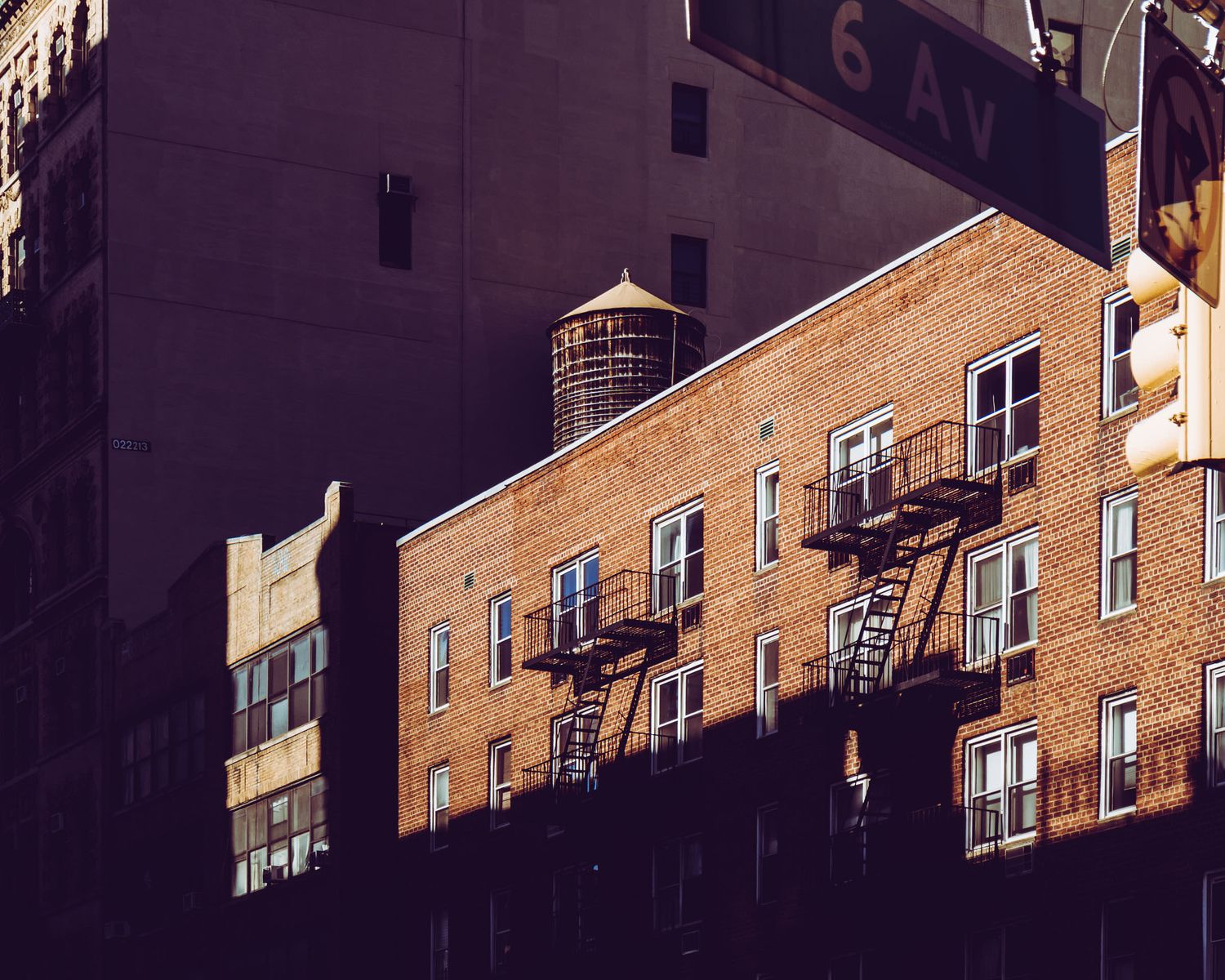
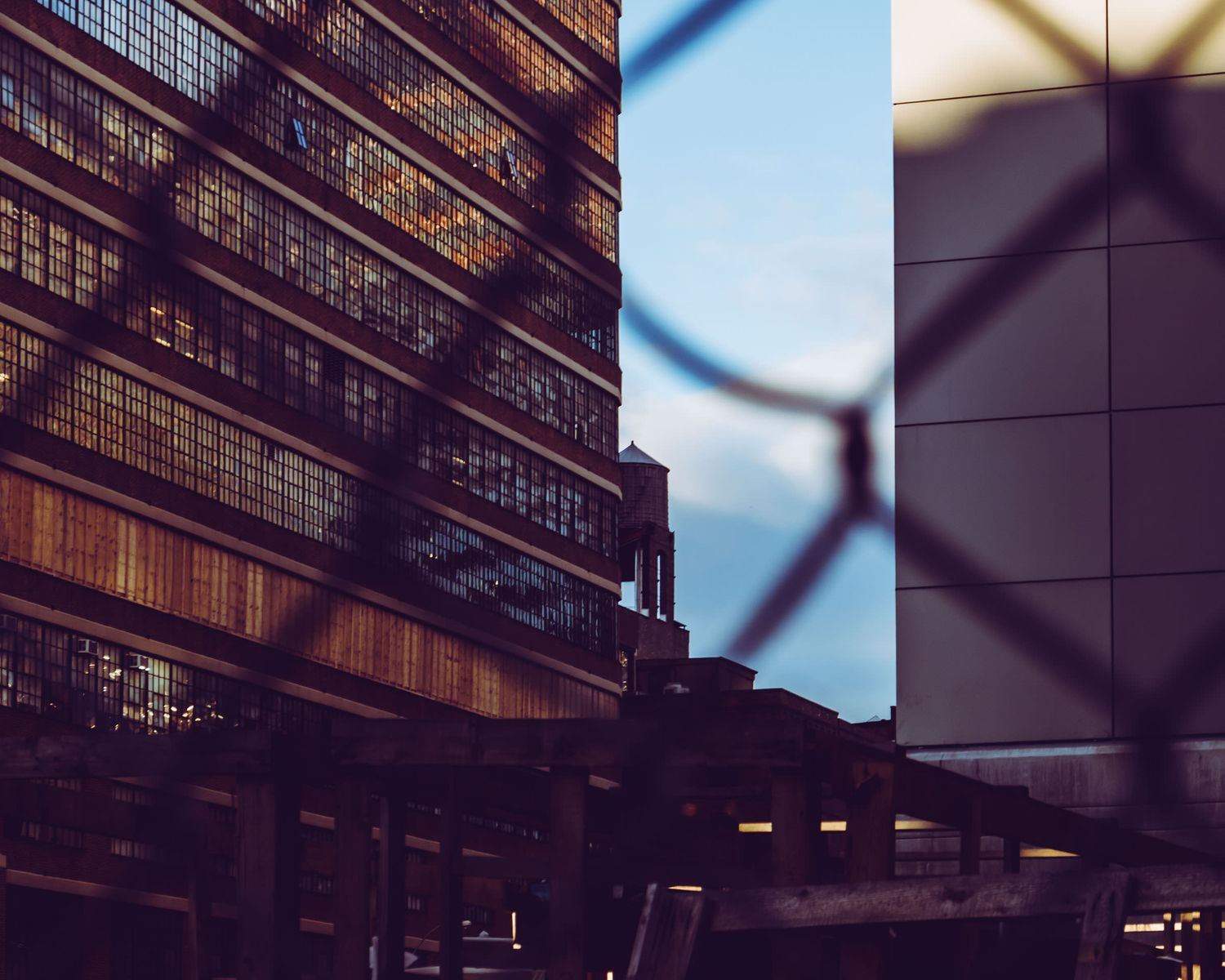
When photographing a building, it is easy to become preoccupied with scale, technical perfection, or dramatic viewpoints. Yet often the most powerful images come from quieter observations: a carefully detailed junction, a reflection that reveals spatial relationships, or a shaft of light that briefly transforms a room.
As photographers, our job is not simply to record architecture. It is to reveal how it feels.
Documenting Buildings Before They Change
There is also a sense of urgency running through Jay Myself.
As Maisel packs decades of possessions and prepares to leave, the film becomes an act of preservation. It captures not only a remarkable photographer but also a unique architectural environment that will never exist in quite the same way again.
This resonates strongly with architectural documentation. Cities continually evolve, buildings are adapted, interiors are redesigned, and neighbourhoods are transformed. Photography allows us to create a visual record of a moment in a building's life before it changes forever.
Many of the projects we photograph share this quality. The images become both a communication tool and a historical document, preserving a particular relationship between architecture, light, and occupation.
Why Jay Myself Matters
For architects, designers, photographers, and anyone who loves cities, Jay Myself offers a valuable reminder that buildings are more than physical structures.
They are containers of experience. The former bank at 190 Bowery was remarkable not only because of its architecture, but because of how Jay Maisel lived within it. The film demonstrates how a building can influence creative practice, shape perception, and become inseparable from personal identity.
At its heart, Jay Myself is a celebration of looking closely, living creatively, and recognising the stories embedded in the spaces around us. As architectural photographers, that is a message we find particularly inspiring. Because every building has a story.
The challenge, and the privilege, is learning how to see it.
For a practice like Fotohaus, this is especially relevant. The most compelling architectural images often sit somewhere between architecture, portraiture and documentary photography. Rather than asking only, "What does this building look like?", Jay Myself encourages us to ask, "What does this building mean?"
That shift in thinking can produce work that feels less like documentation and more like storytelling.
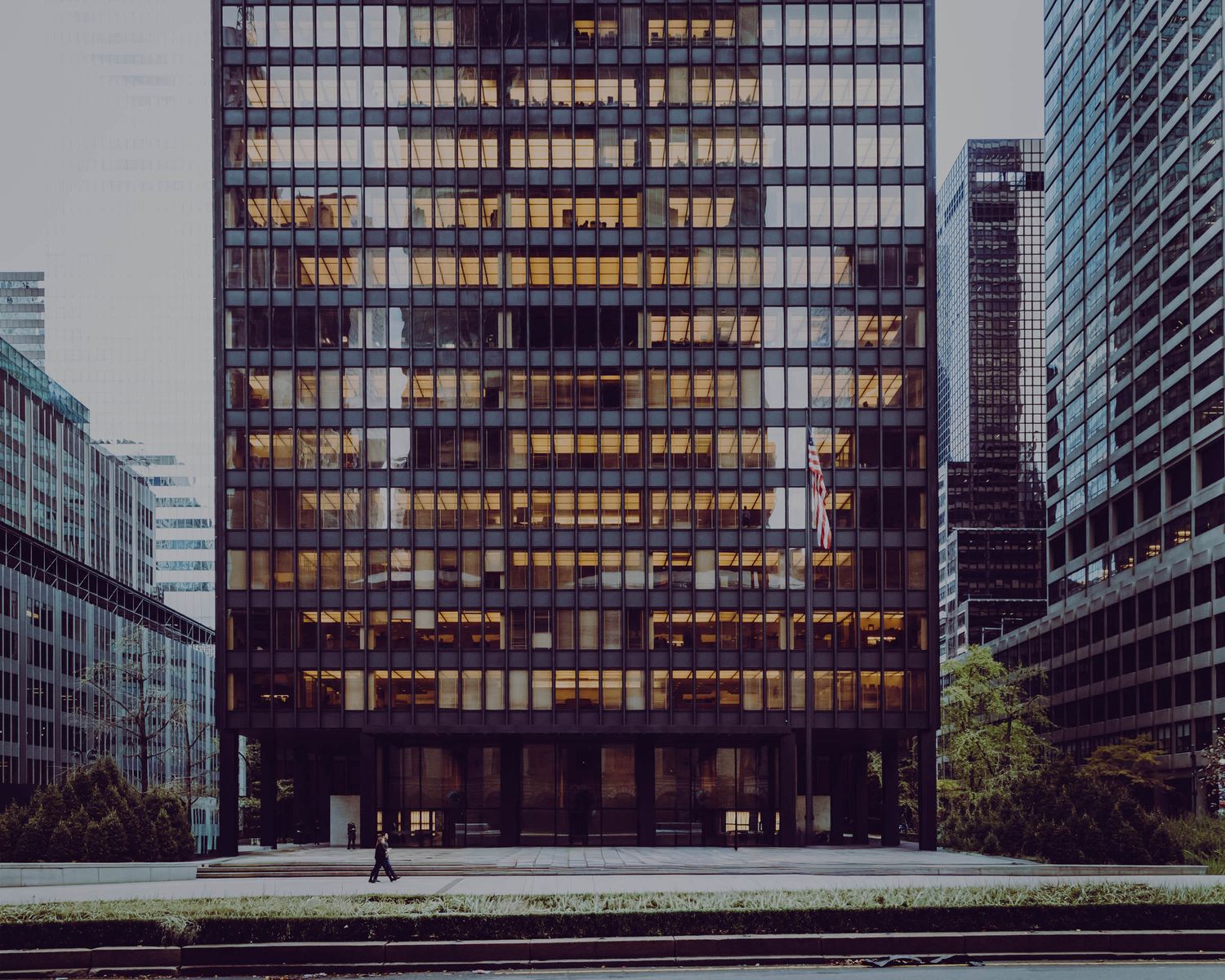
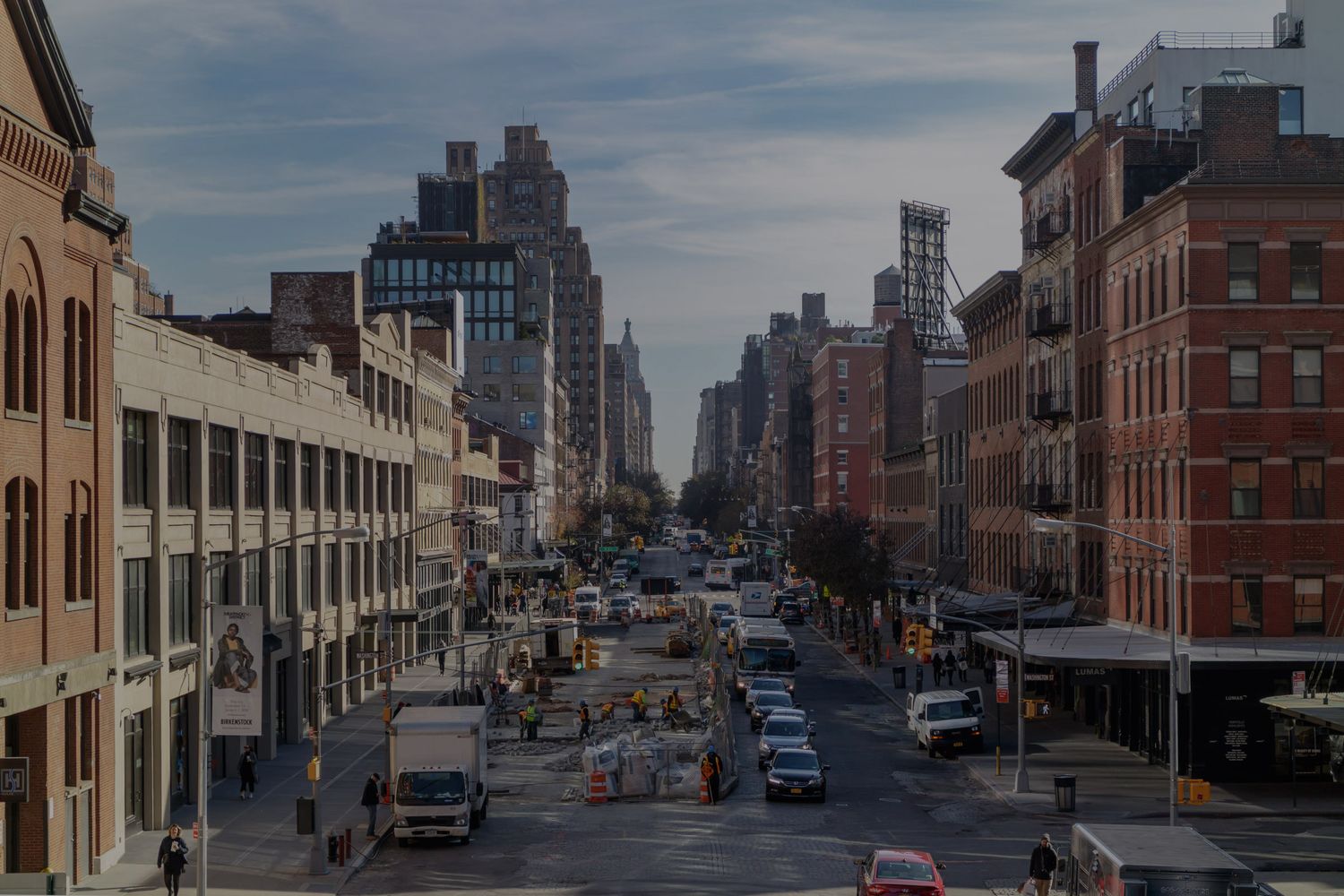
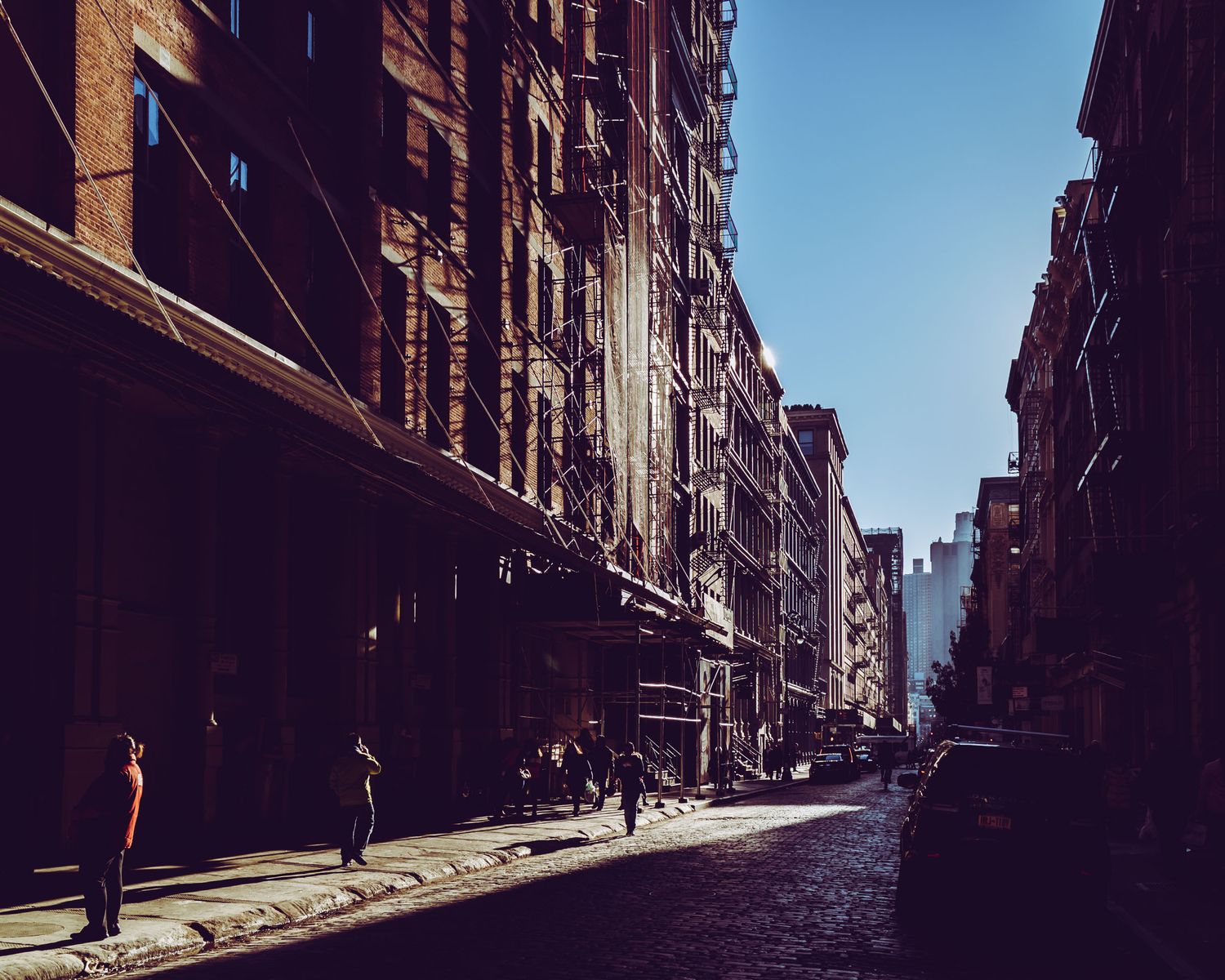
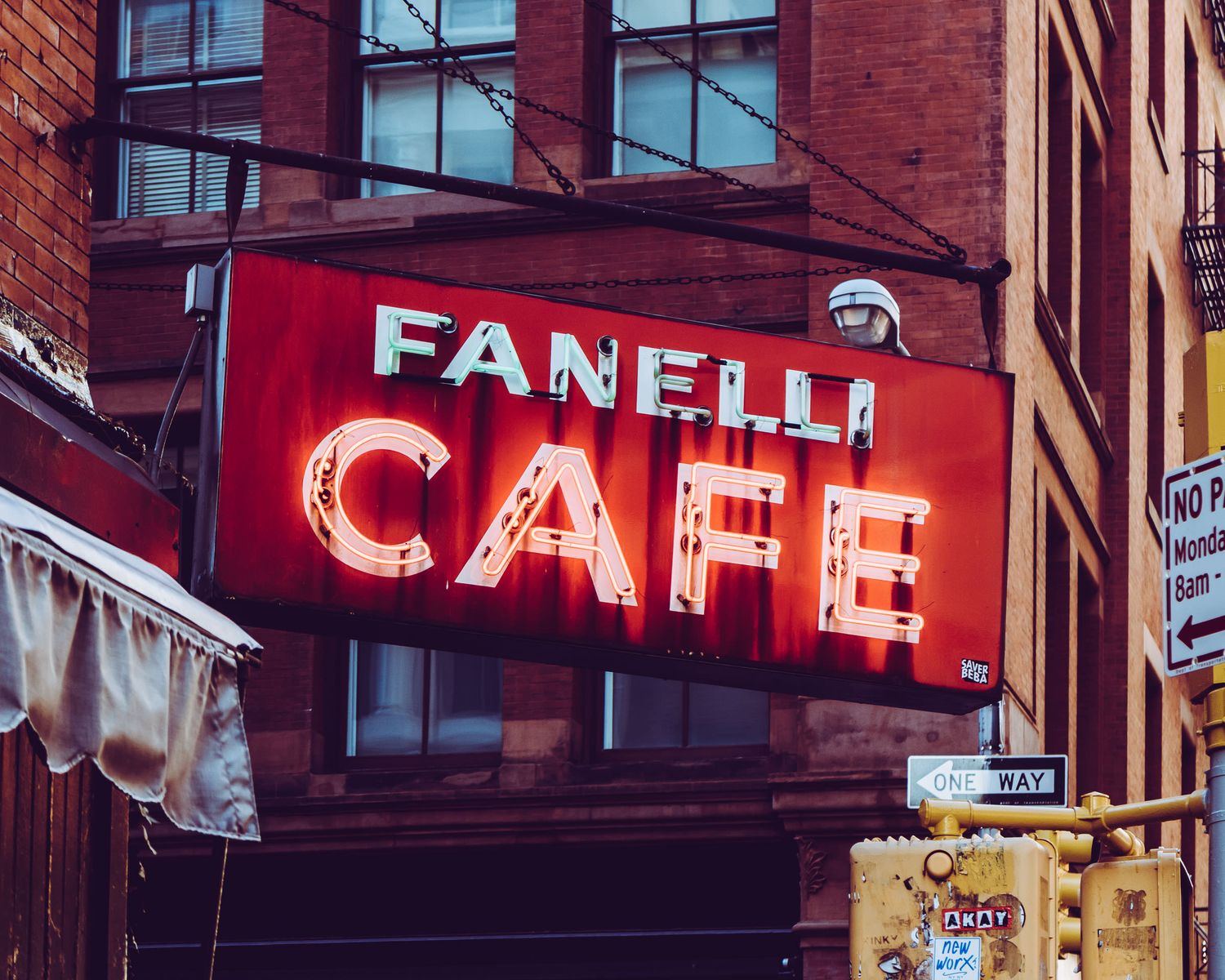
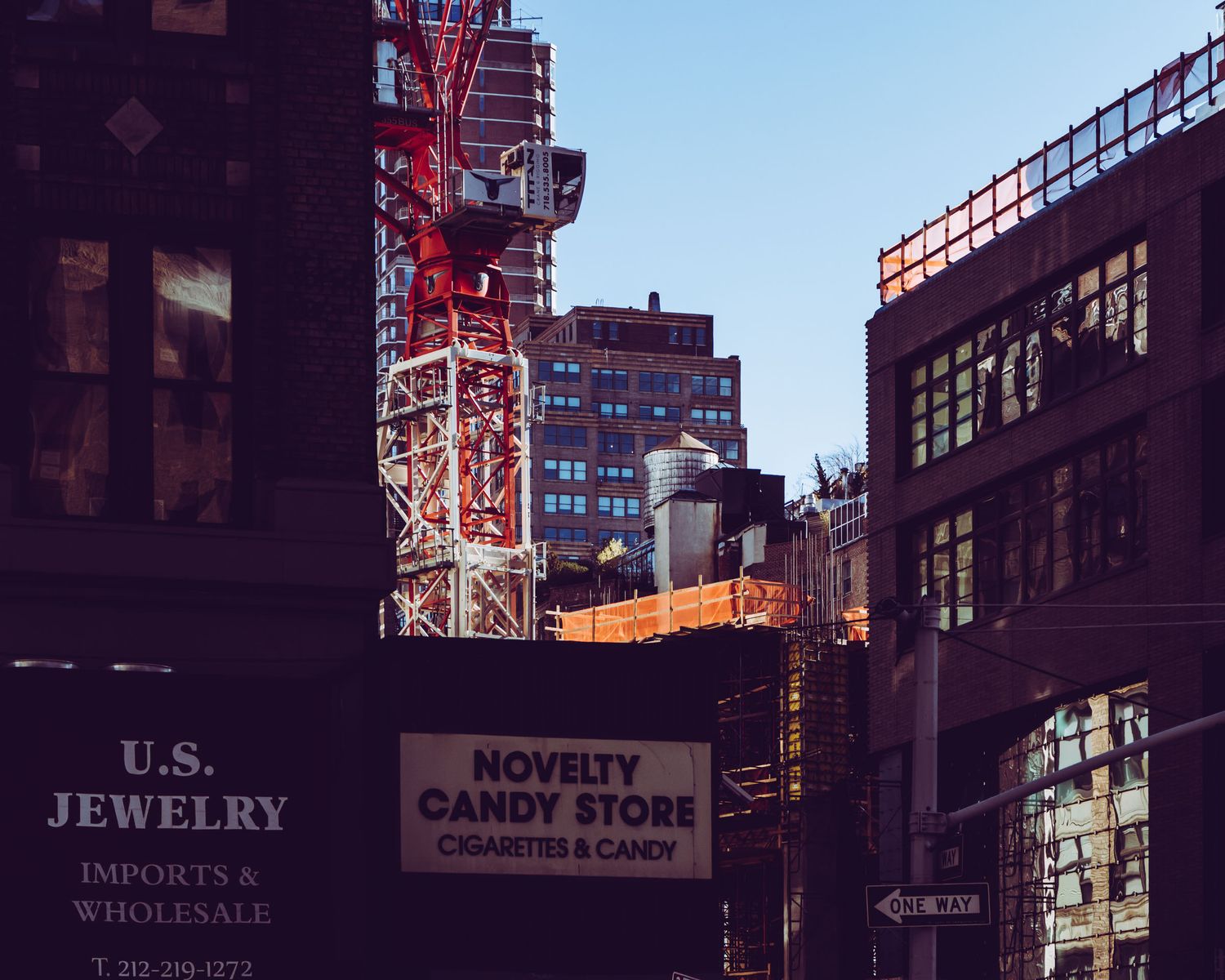
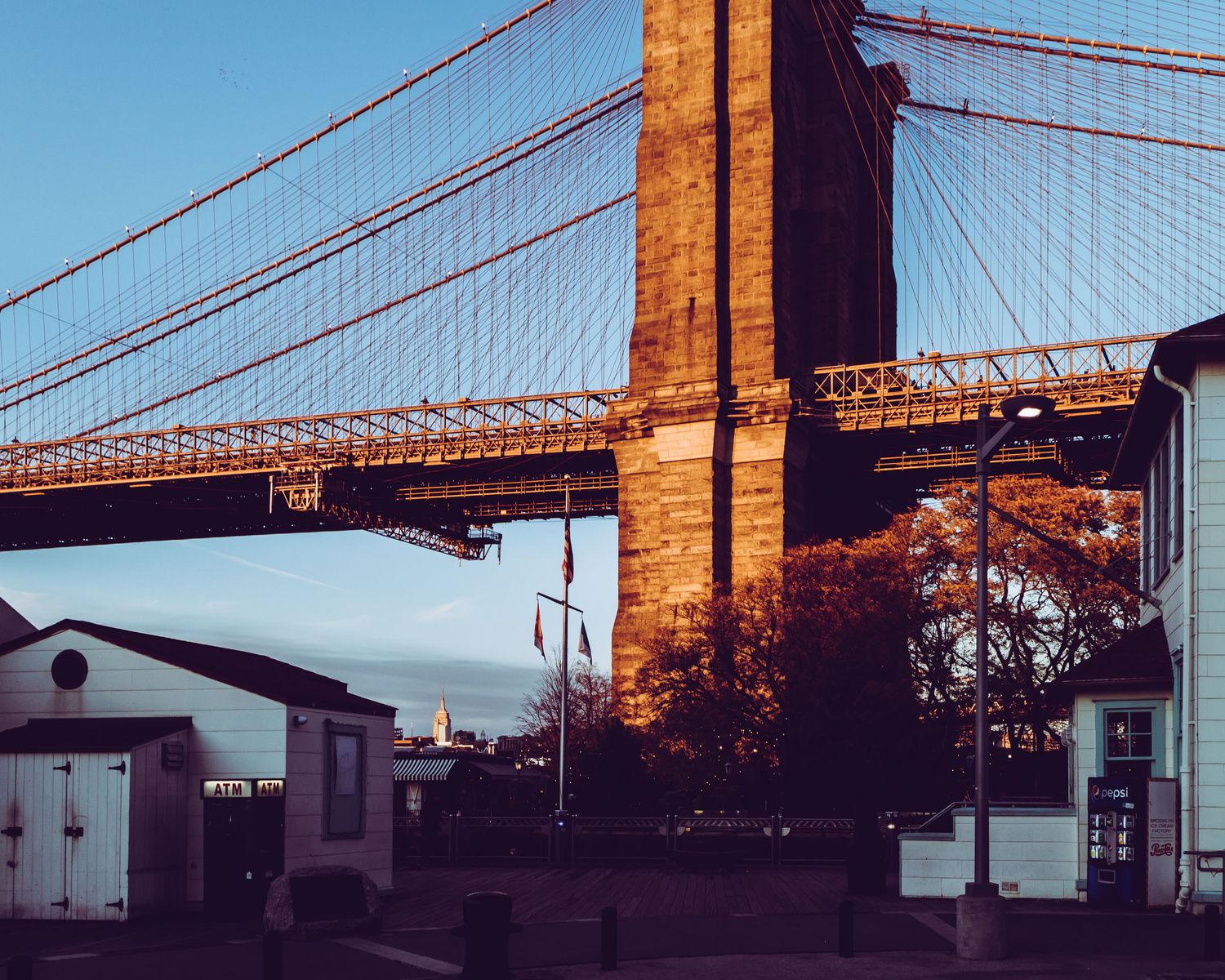
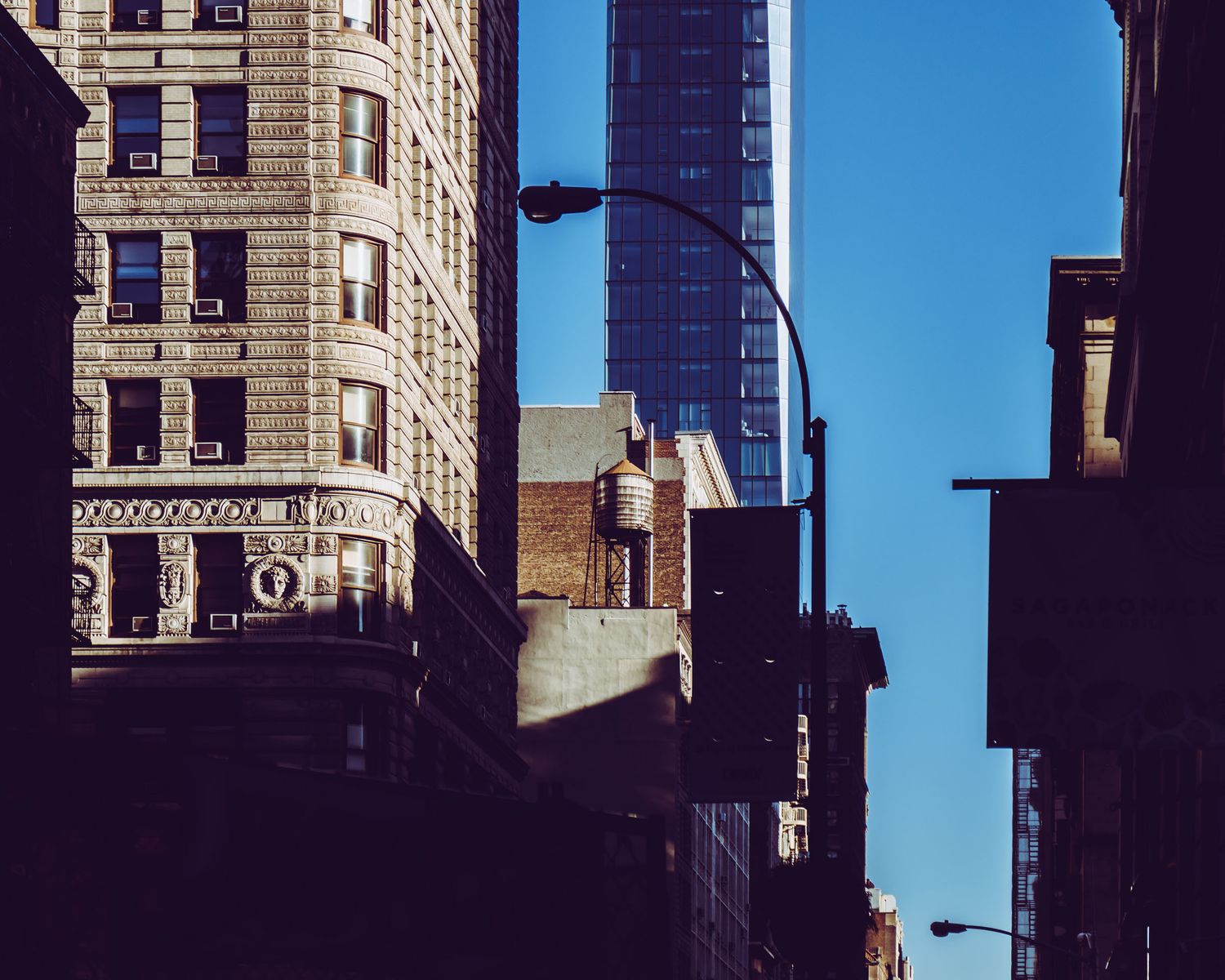
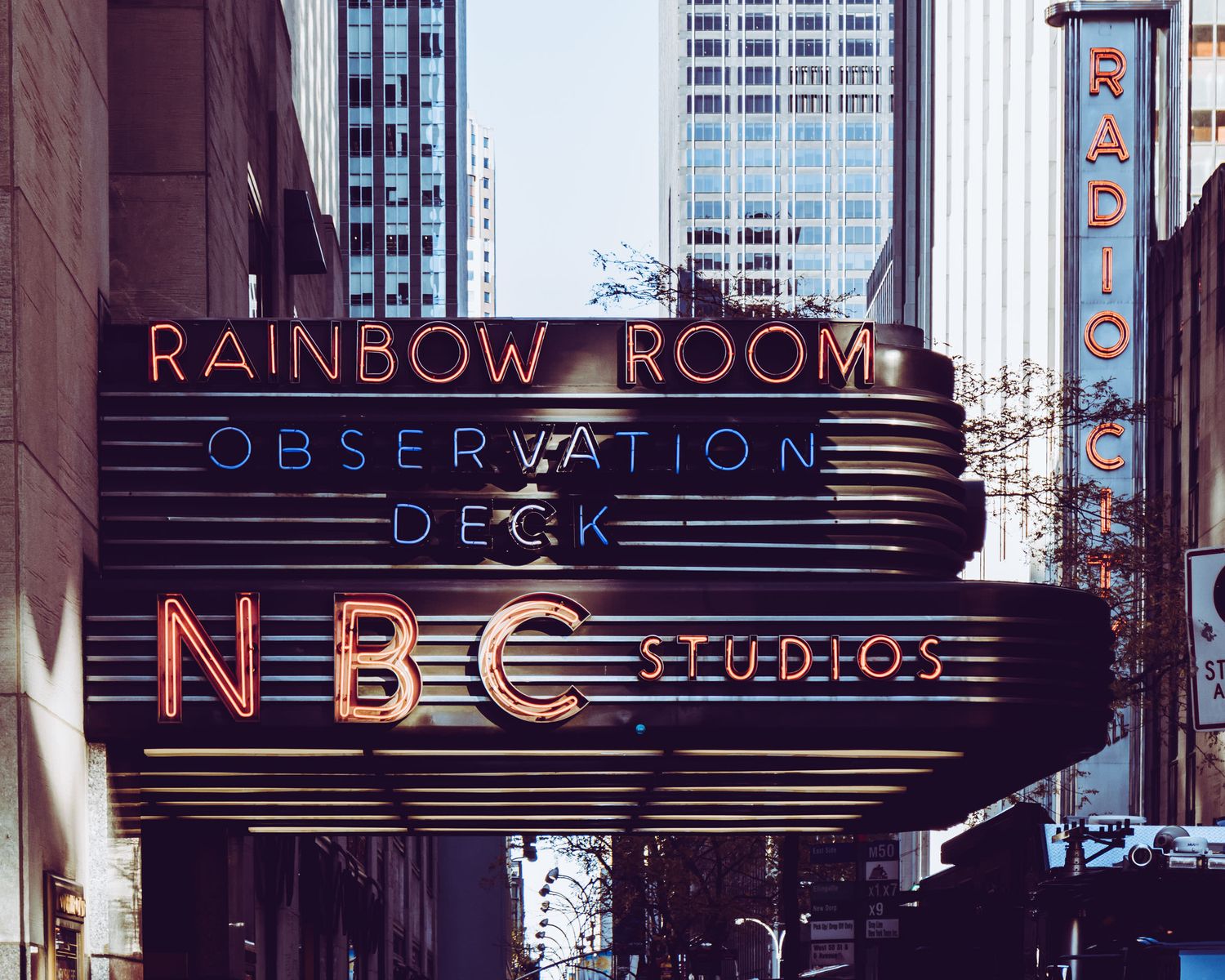
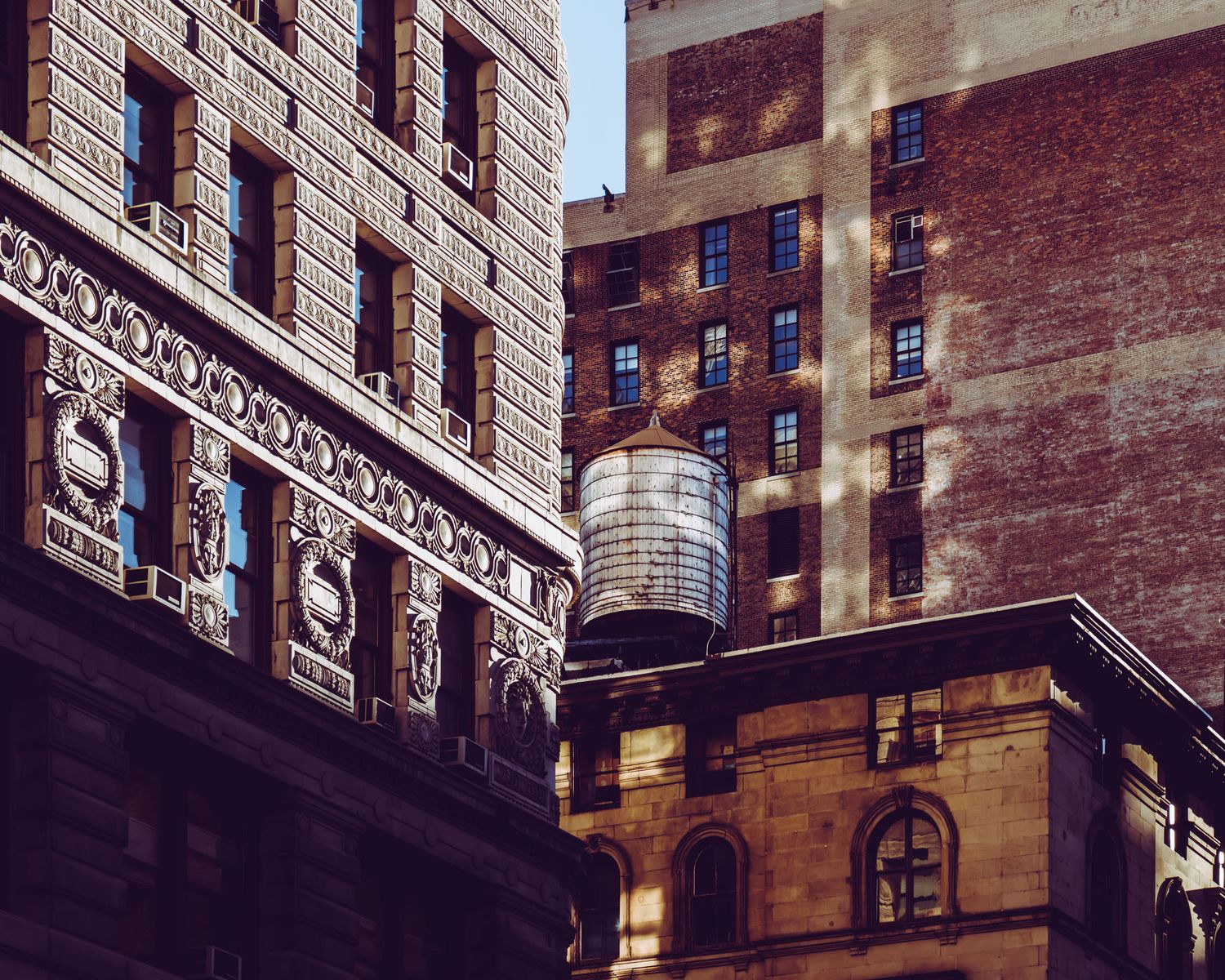
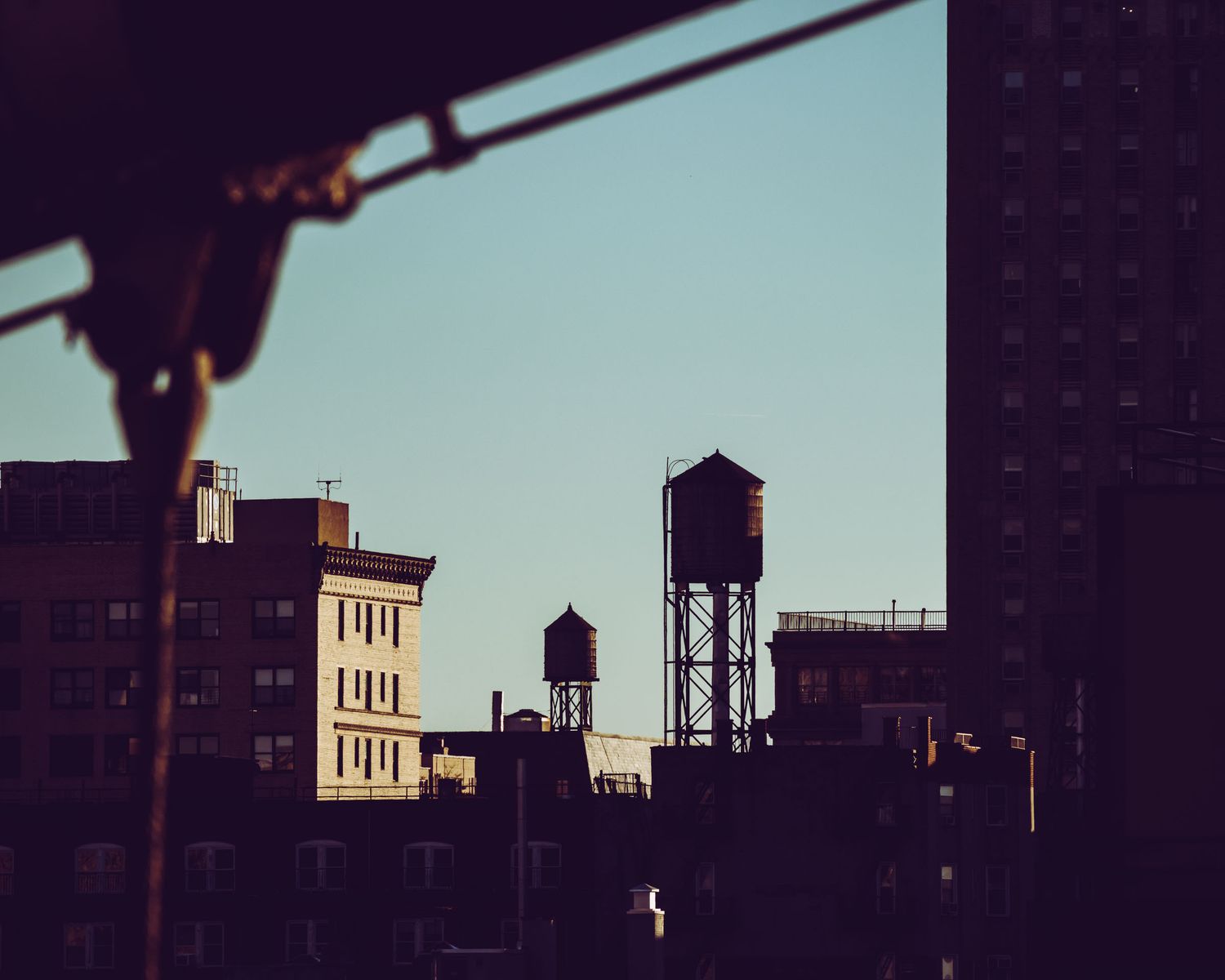
All images of New York by fotohaus photographer Craig Auckland
Jay Nathan Maisel
January 18, 1931 – August 20, 2026.
Jay Maisel passed away in August 2026 at the age of 95. His influence on photography endures through his work, teaching and philosophy of seeing. Today, Jay Myself serves not only as a record of his departure from 190 Bowery, but also as a lasting portrait of one of photography's most influential figures.
About the author
Craig Auckland is founder of Fotohaus, an architectural photographer and filmmaker, and a specialist in documenting architecture, construction and the built environment for clients, publishers and design organisations across the UK and Europe.