In an age of limitless memory cards, AI editing tools and instant image review, it would be easy to assume that the photographic contact sheet belongs firmly in the past. Yet for many photographers, including us, the contact sheet remains one of the most valuable creative tools ever developed. Its format may have originated in the darkroom, but its lessons are arguably more relevant today than ever.
For those who began their careers shooting film, contact sheets were not a nostalgic object or a collector's item. They were an essential part of the photographic process. We spent countless hours poring over sheets of tiny frames with a loupe in hand, marking selects with chinagraph pencils and debating the subtle differences between consecutive exposures. The contact sheet was where photographs were truly edited, understood and refined.
Today, although the medium has changed, the principles remain remarkably similar.
What is a contact sheet?
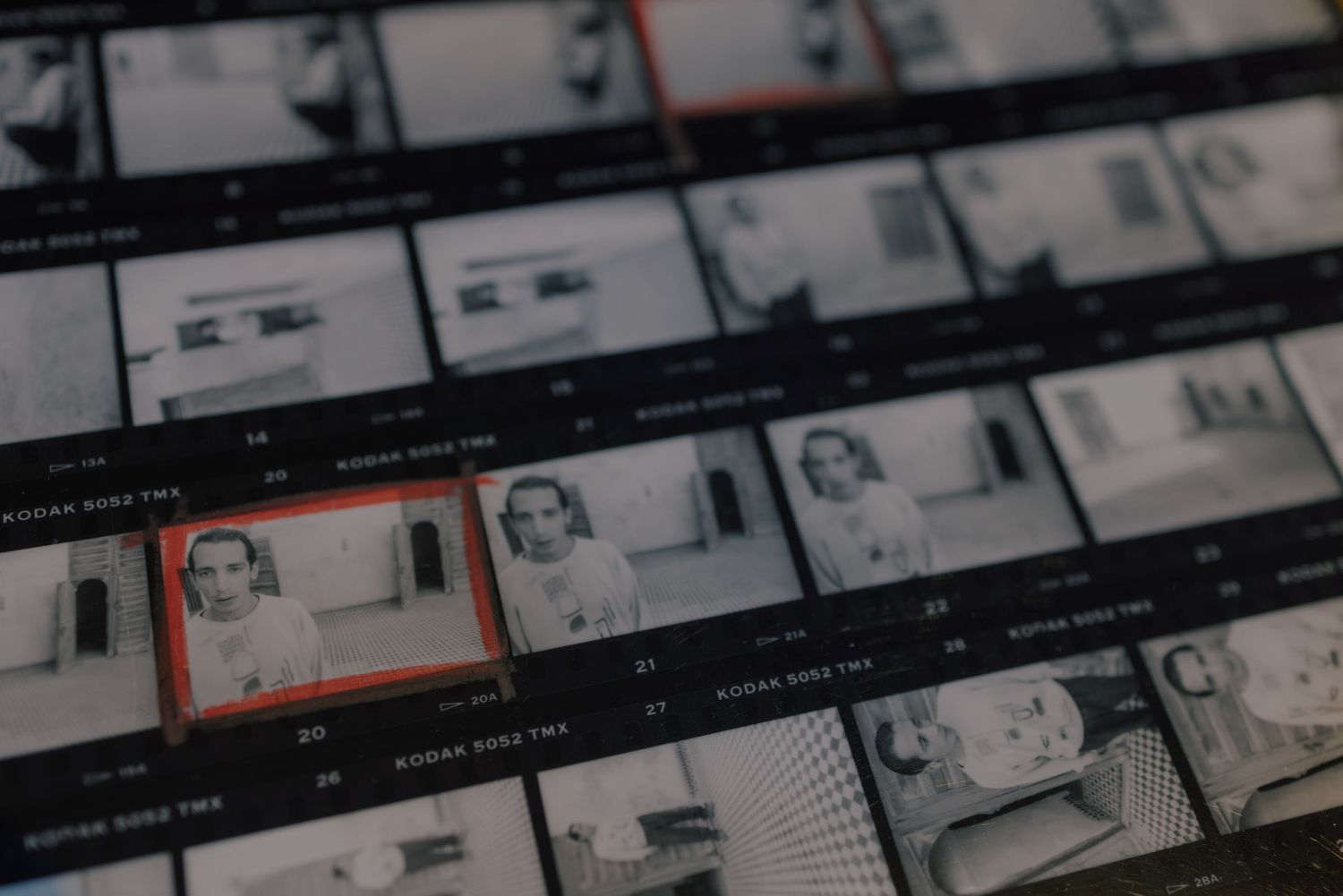
In the era of film photography, a contact sheet was created by placing developed negatives directly onto photographic paper and exposing them under an enlarger. The result was a complete visual index of every frame on the roll, presented at its original size.
Unlike a finished print, a contact sheet revealed everything.
The successful images sat alongside the failures. Blinks, missed focus, accidental exposures and abandoned ideas all appeared together. It was an honest record of the photographer's decision-making process, showing not just the final image but the journey that led to it.
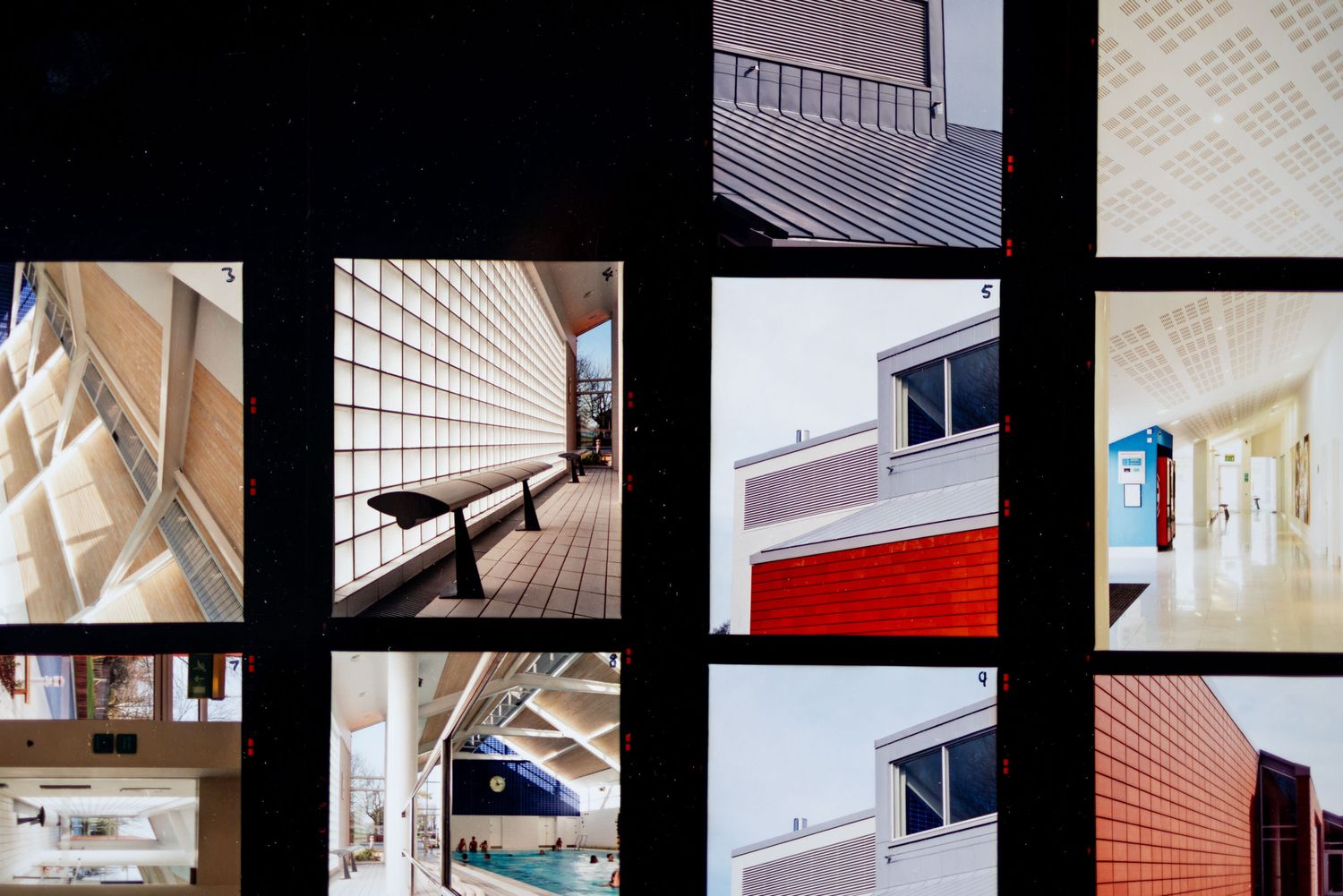
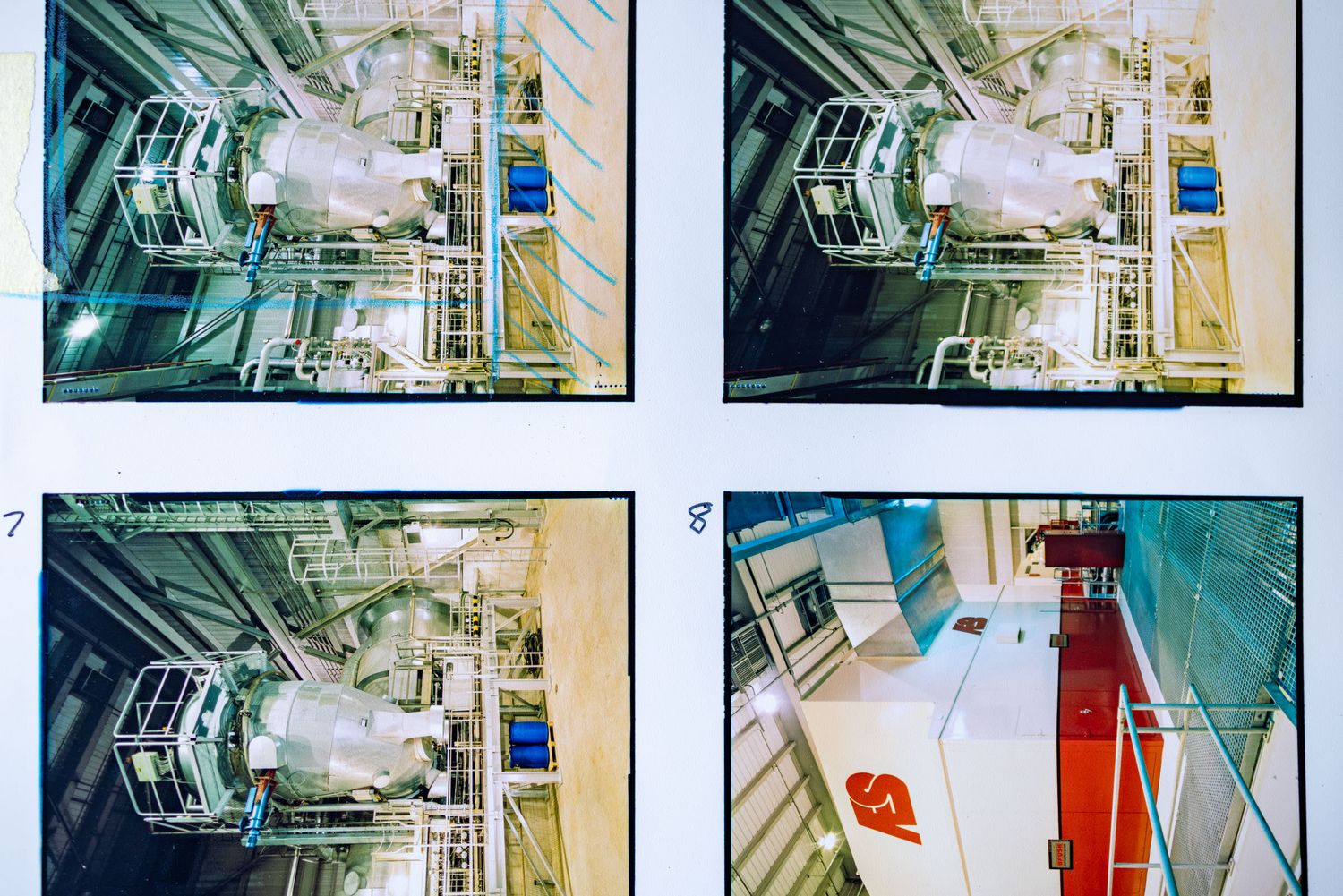
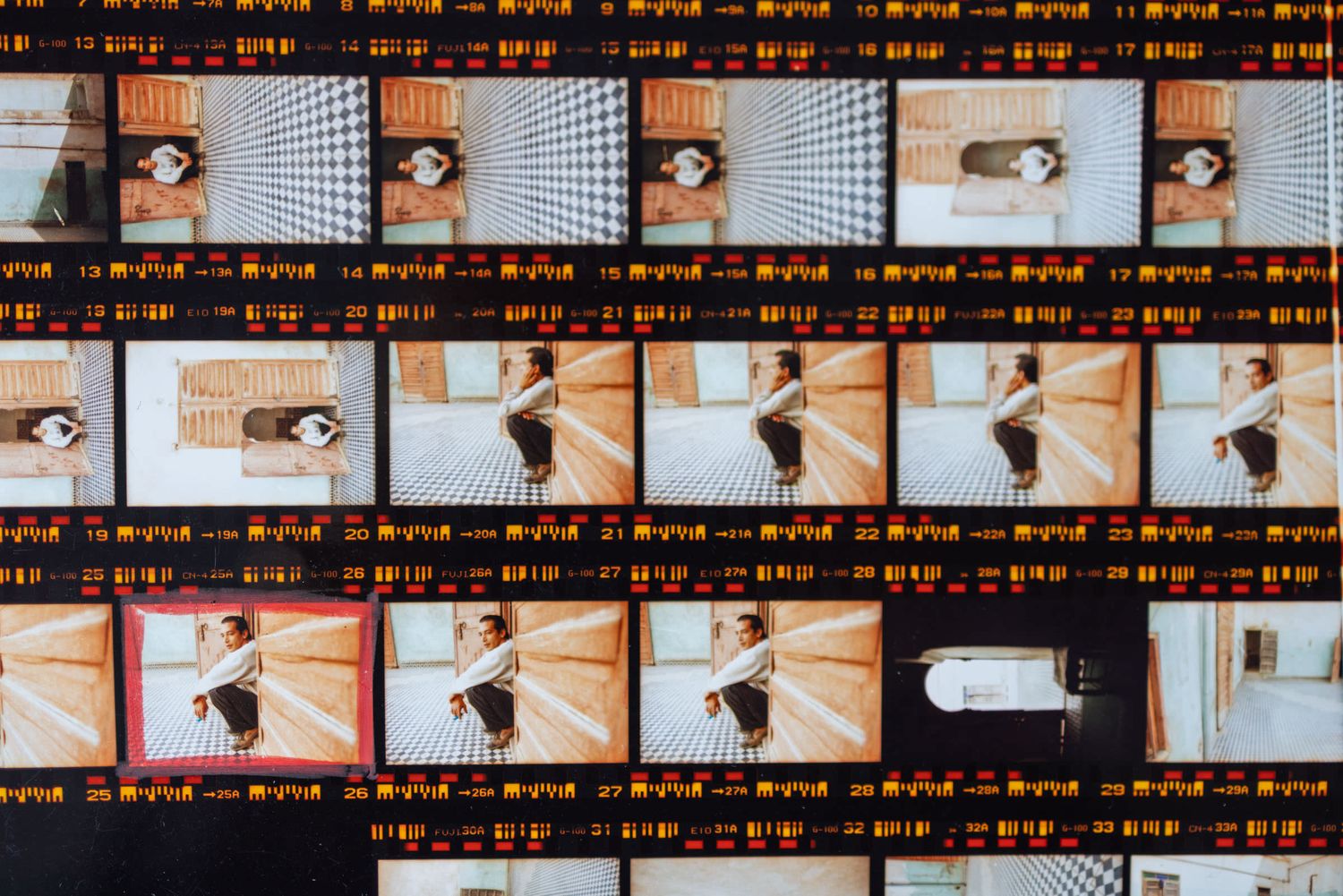
Above. Left to right, Fotohaus contact sheets: 1. Steyning Leisure Centre, 6x7 colour neg 2001 2. Power plant, Newport, 5x4 colour negative 1999. 3. Personal work, Morocco, 35mm colour negative 1994.
Seeing how photographers think
One of the great gifts of contact sheets is that they allow us to witness photography in motion. We can watch a photographer exploring a subject, changing position, adjusting composition and gradually moving towards the frame that ultimately becomes iconic.
This is perhaps nowhere more evident than in the extraordinary archive of contact sheets published and exhibited by Magnum Photos. The celebrated Magnum Contact Sheets project reveals the working methods behind some of the most famous photographs ever made, presenting contact sheets from photographers including Henri Cartier-Bresson, Robert Capa, René Burri, Eve Arnold, Inge Morath, Martin Parr and many others. Rather than showing only the decisive moment, the sheets reveal the sequence of moments surrounding it, offering a rare insight into creative decision-making.
Looking at these sheets can be surprisingly reassuring. Even the masters shot imperfect frames. They experimented, misjudged situations and worked through challenges exactly as photographers do today. The difference is simply that their process was visible.
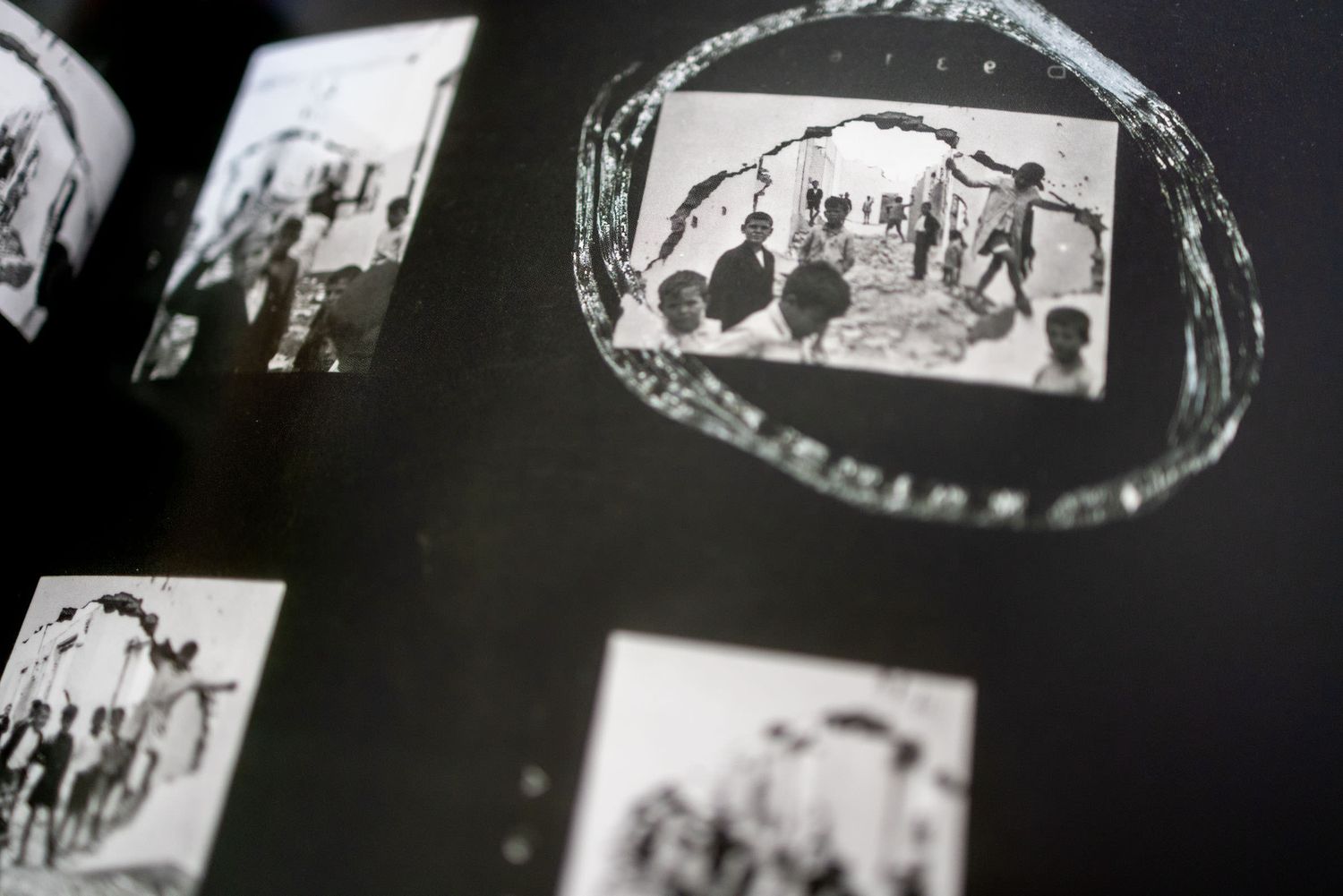
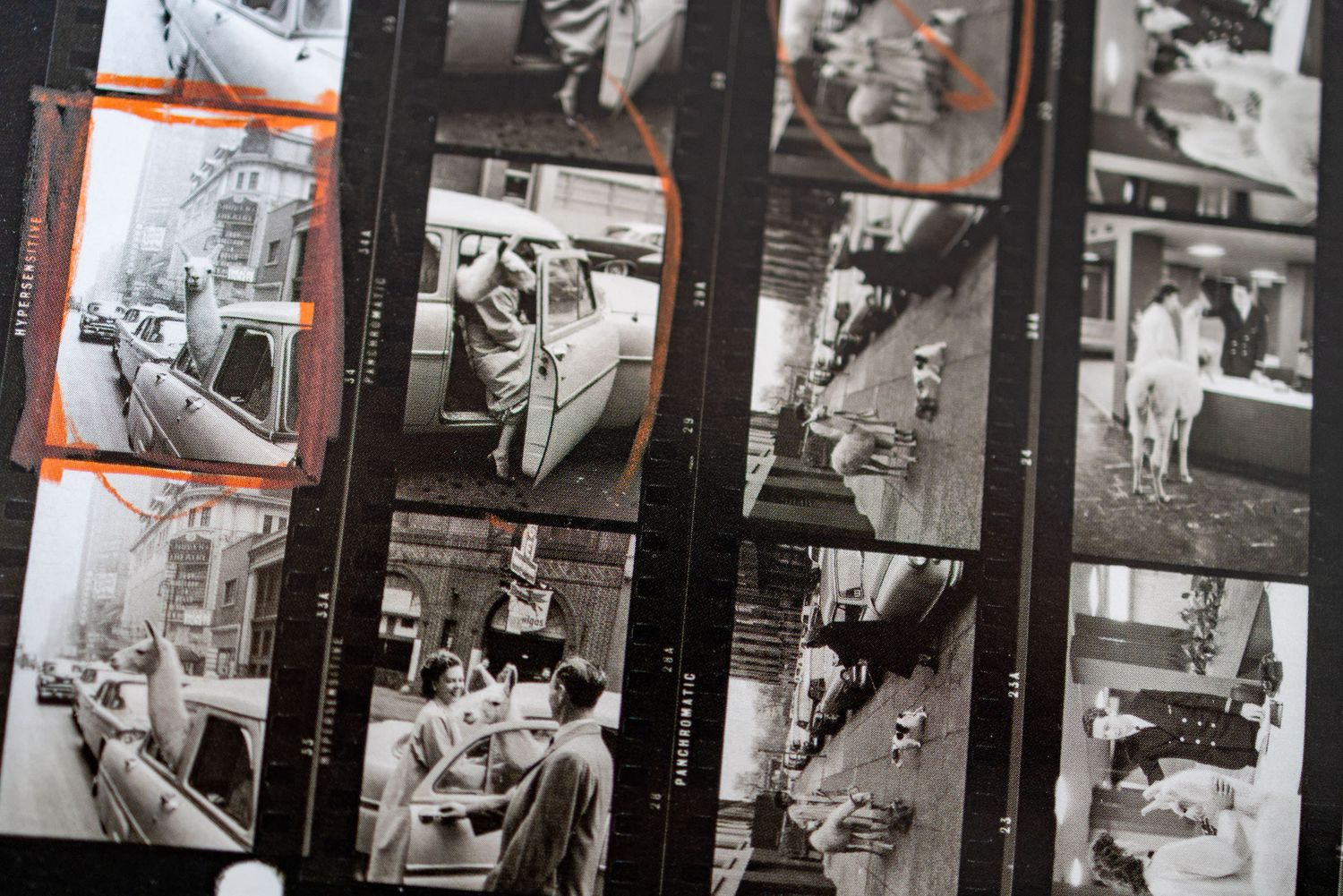
Above. Left to right. 1. Seville, by Henri Cartier-Bresson 2. A Llama in Times Square by Inge Morath.
The myth of the single perfect frame
Photography history often celebrates the singular image: the one frame that defines a career, an event or an era.
Contact sheets tell a different story.
Take Henri Cartier-Bresson, often associated with the concept of the "decisive moment". His contact sheets reveal that the decisive moment was rarely a matter of luck. Instead, it emerged through anticipation, observation and persistence. The famous photograph was often one frame among many, selected from a sequence of near misses and subtle variations.
Similarly, René Burri's celebrated photographs of Che Guevara become even more fascinating when viewed alongside the surrounding frames. The contact sheet transforms the final image from a mysterious act of genius into a process of exploration and refinement.
For photographers, this is an important lesson. Great images are often discovered rather than captured.
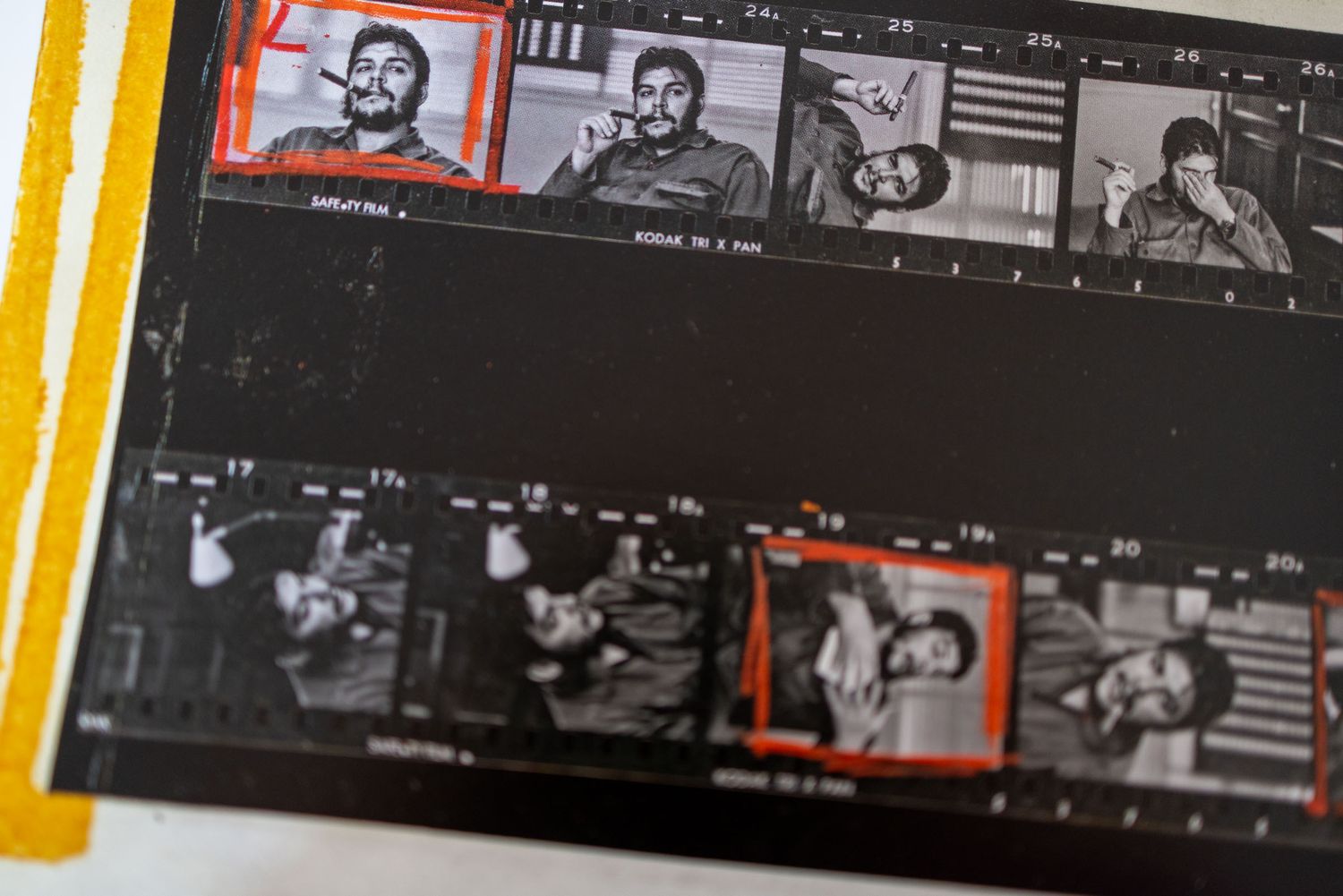
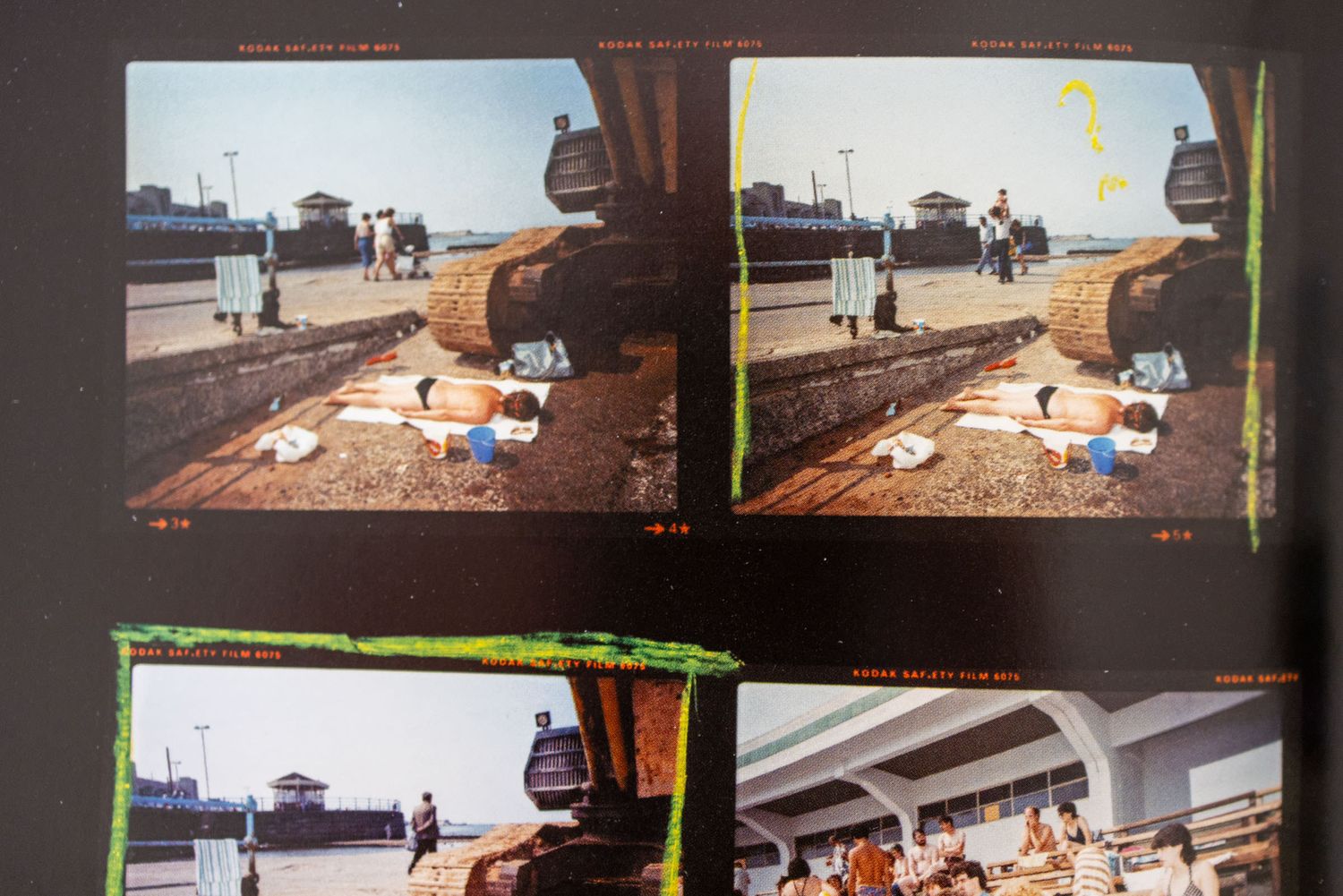
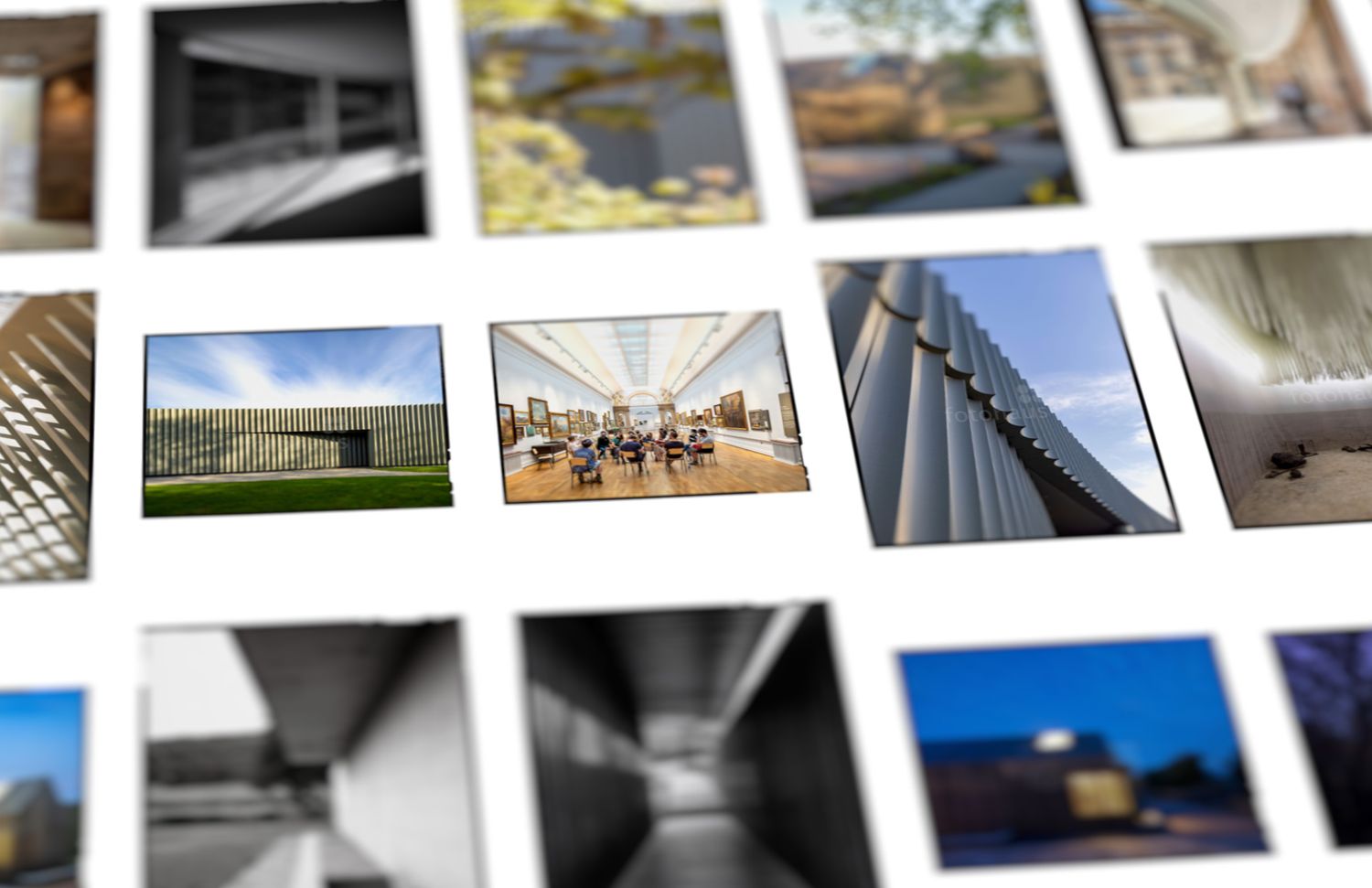
Above. Left to right. 1. Che Guevara by René Burri. 2. The last resort by Martin Parr. 3. Fotohaus 5x4 contact sheet
Martin Parr and the art of editing
Few photographers demonstrate the value of contact sheets better than Martin Parr. His photographs can appear spontaneous, humorous and effortless, but his contact sheets reveal an extraordinary discipline of observation.
Examining the sequences from projects such as The Last Resort shows Parr working a scene repeatedly, adjusting the balance of figures, colours and visual relationships until everything aligns. The contact sheet reveals that seemingly casual photographs are often the result of sustained attention and careful editing.
The lesson is clear: photography is as much about selection as it is about capture.
Sam Taylor-Johnson and revealing the process
The significance of contact sheets extends beyond documentary and editorial photography. British artist and filmmaker Sam Taylor-Johnson (formerly Sam Taylor-Wood) explored this idea directly in her project Contact, which exposed the normally hidden material behind her photographic work.
The project brought together thousands of test prints, panoramas and contact images, offering unprecedented access to the source material behind finished artworks. Rather than presenting only polished final pieces, Taylor-Johnson revealed the experiments, outtakes and working process that shaped them.
At a time when carefully curated online portfolios often show only success, projects like this remind us that creativity is rarely linear. The unfinished work can be just as revealing as the finished image.
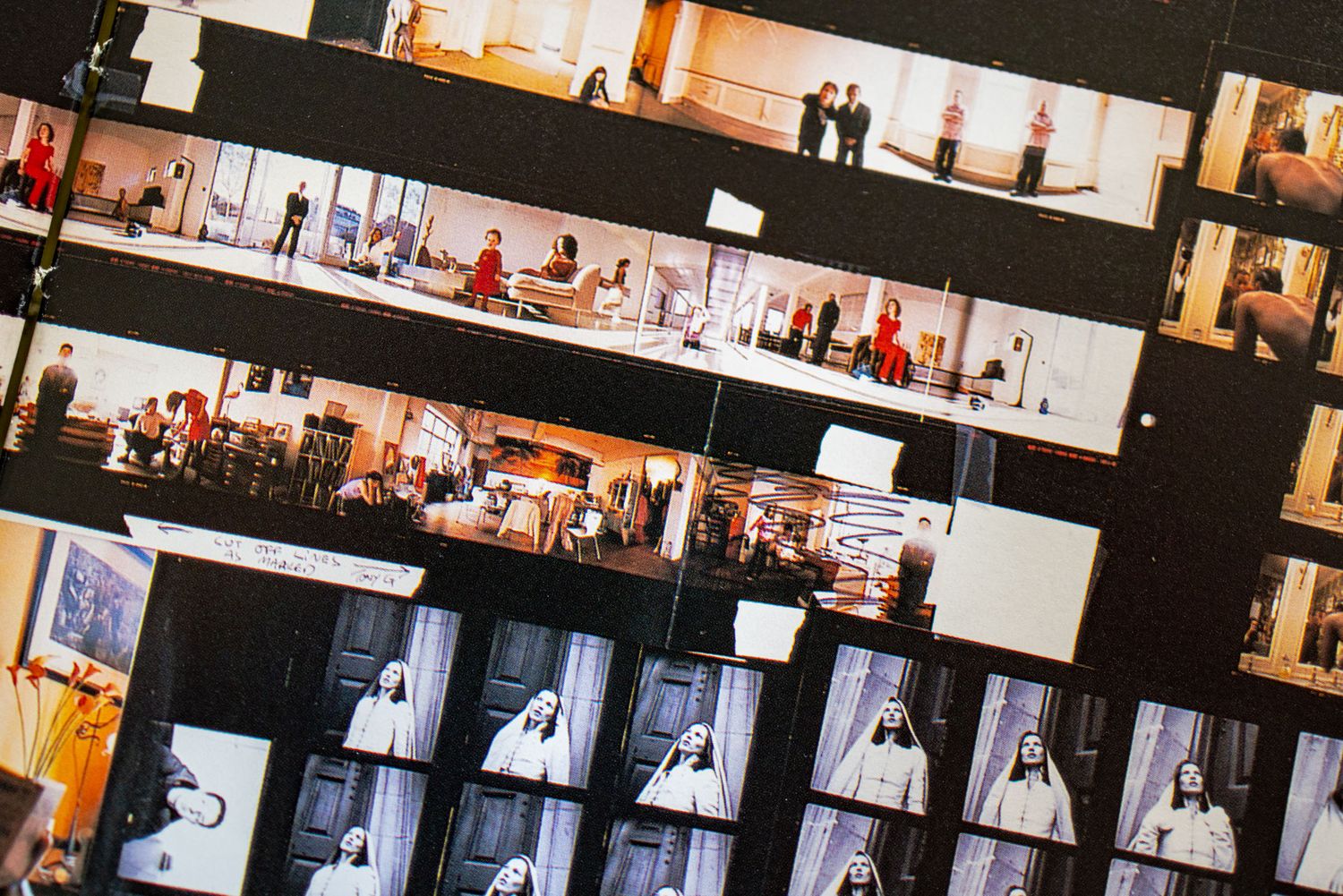
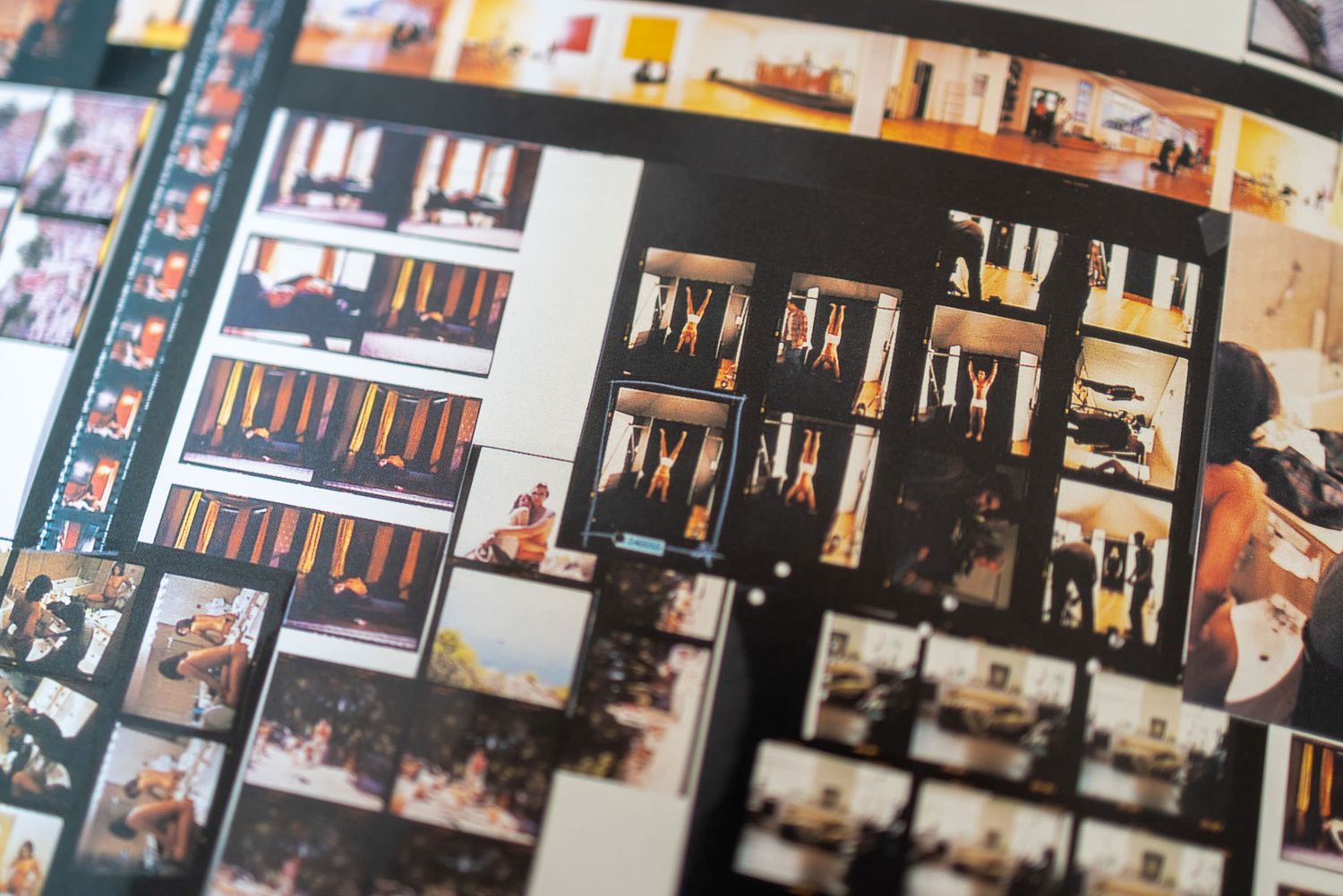
Above. "Contact" by Sam Taylor-Wood.
Why contact sheets matter in the digital age
Although most photographers no longer create traditional contact sheets in the darkroom, the concept is alive and well.
Applications such as Lightroom, Capture One and Photo Mechanic effectively provide digital equivalents. A grid view of hundreds of thumbnails serves the same purpose as a contact sheet once did: allowing photographers to evaluate work in context rather than isolation.
In fact, the need may be even greater today.
When film was expensive, photographers were selective by necessity. Digital photography encourages abundance. A single assignment may generate thousands of images. Without careful editing, valuable photographs can easily disappear within the volume.
A modern contact sheet, whether printed or viewed on screen, allows patterns to emerge. It reveals recurring themes, successful approaches and moments that might otherwise be overlooked.
Most importantly, it encourages photographers to edit thoughtfully rather than reactively.
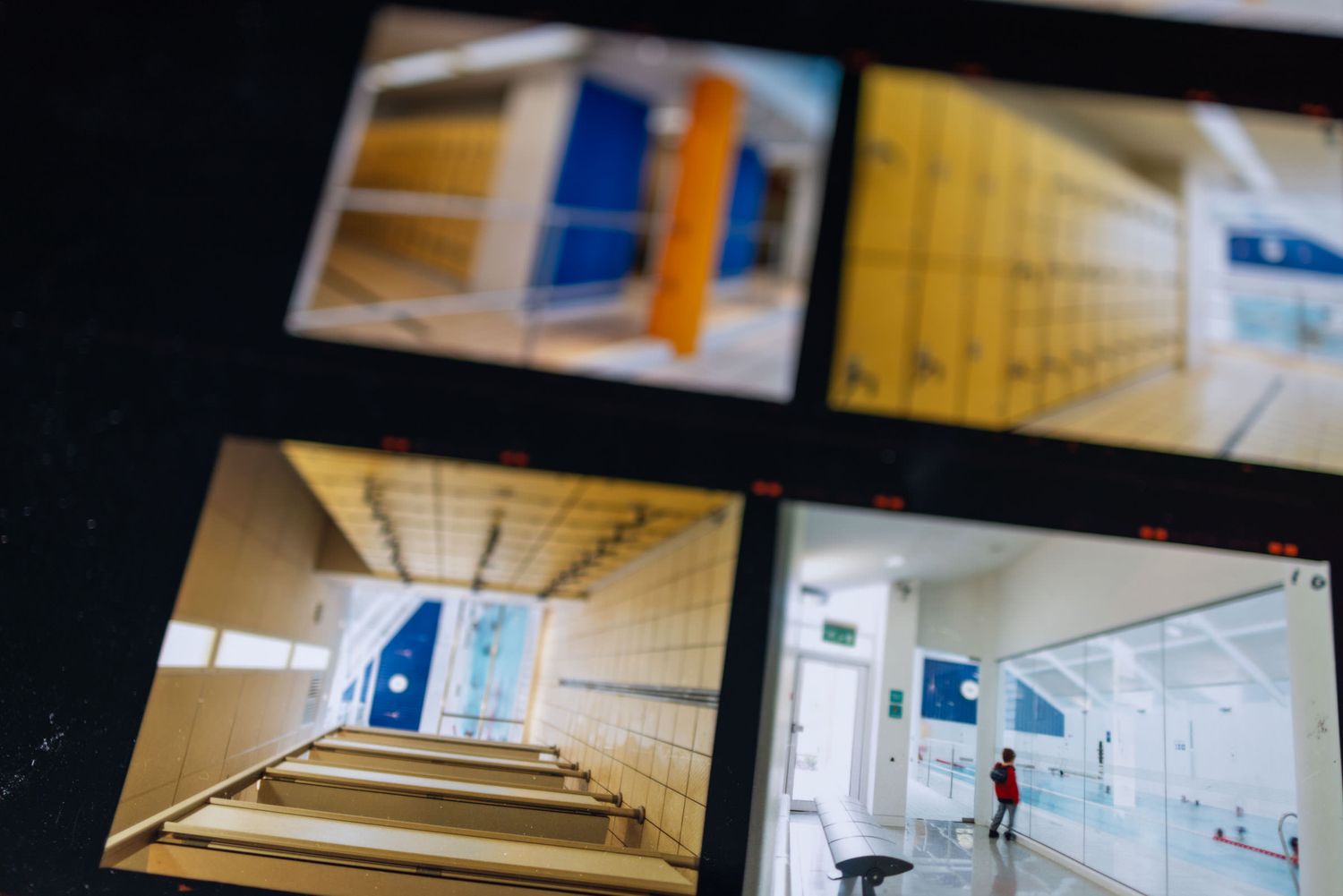
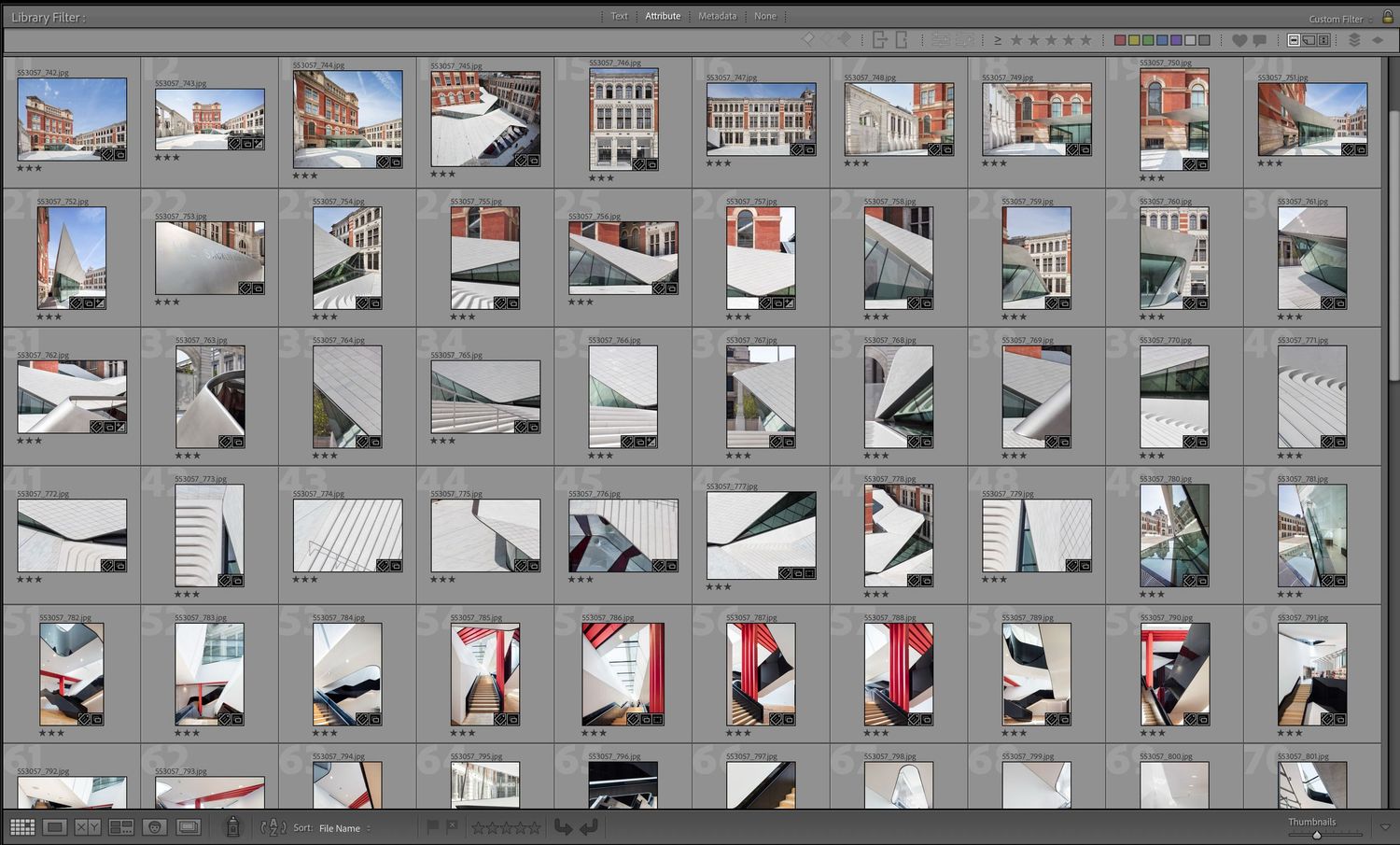
Above. Left to right. 1. Fotohaus 6x7 colour neg contact sheet from 2001. 2. The modern contact sheet viewer: Lightroom.
'Thank god for contact sheets'
One of my earliest lessons in the power of contact sheets came during my application for a photography degree. Fresh from completing a foundation course in photography, I arrived for the interview carrying a portfolio of what I thought were my strongest images. The interviewer flipped through the prints quickly, pausing only briefly on each carefully chosen photograph. With every page, I became more convinced that they were thoroughly unimpressed.
Then they asked to see the contact sheets.
Suddenly, the conversation changed. The interviewer spent far longer studying the contact sheets than the finished prints, examining frame after frame, sequence after sequence. They could see how I approached a subject, how I worked through ideas, how I developed a project and refined compositions. After a long pause, they looked up and said, "Thank God for contact sheets."
What they were really interested in was not just the final photographs, but the thinking behind them. The contact sheets revealed my process, my curiosity and my way of seeing. I was accepted onto the course, and I've never forgotten that moment. It taught me that a great photograph is only part of the story. Sometimes the most revealing thing is seeing how the photographer got there in the first place.
What we learned from contact sheets
Looking back, many of the lessons that shaped our photographic approach were learned while studying contact sheets.
They taught us that the first frame is rarely the best.
They taught us to recognise subtle improvements from one exposure to the next.
They taught us that sequencing matters, that mistakes are useful, and that editing is a creative act rather than an administrative task.
Most of all, they taught us patience.
In a culture increasingly focused on instant results, the contact sheet remains a powerful reminder that photography is a process of observation, exploration and refinement.
Explore our own digital contact sheets
While traditional film contact sheets may belong to another era, the way we learn from them remains incredibly relevant.
Over the years, we've built an extensive archive of architectural photography, interiors, commercial commissions and personal projects. Rather than presenting only a selection of finished portfolio images, we've chosen to make much of this work available as digital contact sheets.
For us, this feels entirely consistent with the traditions of photography we grew up with. The contact sheet was never just a tool for selecting images; it was a way of understanding how a photographer works. You could see the exploration, the experimentation, the small adjustments in framing, the moments before and after the final image.
Our digital contact sheets offer a similar experience. They provide a broader view of each project, revealing the visual journey behind the photographs and allowing viewers to discover images that might never appear in a curated portfolio. They show how a building, interior or landscape was explored, interpreted and ultimately photographed.
Most clients will ultimately publish only a carefully curated selection of photographs from a commission. Yet every project contains many more images that contribute to the complete story of a building. We endeavour to create a diverse and comprehensive body of work, capturing the architecture from different viewpoints, in different light and at different moments. Our digital contact sheets allow you to explore this wider collection and experience the full scope of each shoot, rather than just the final edit.
For architects, designers and fellow photographers, they can also offer a valuable insight into our working process. For everyone else, they're simply a fascinating way to experience a project in greater depth.
We invite you to spend some time browsing our online archive. These collections reveal that the story of a photograph is often richer, more complex and more interesting than any single frame can convey.
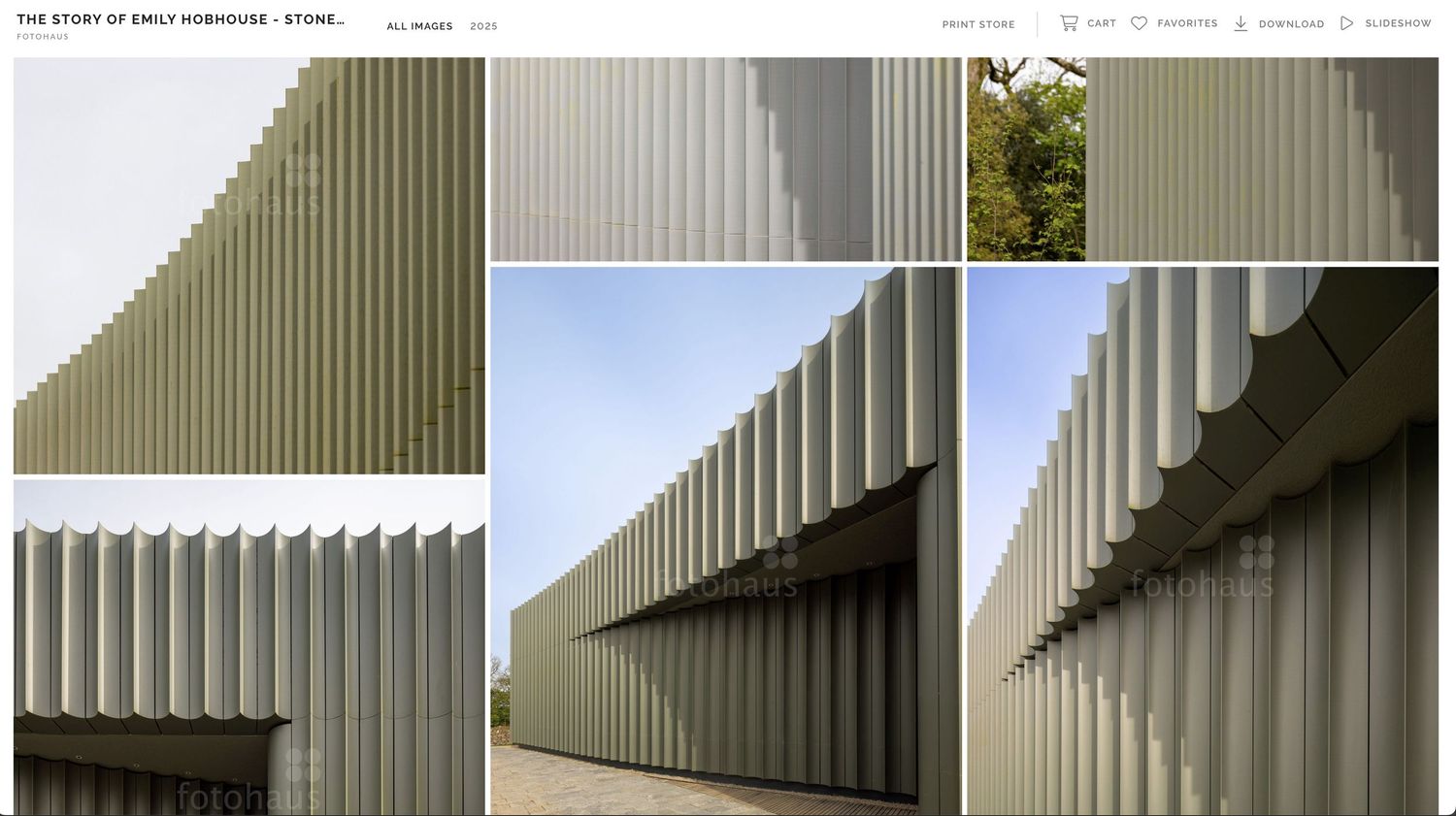
Explore our digital contact sheets and discover the whole picture behind every shoot
About the author
Craig Auckland is founder of Fotohaus, an architectural photographer and filmmaker, and a specialist in documenting architecture, construction and the built environment for clients, publishers and design organisations across the UK and Europe.